

Foreign Perspectives is a mix of free and paid content. Certain columns such as these are free for all subscribers, but other articles will be exclusive for paid subscribers. If you enjoy the work I do, please consider upgrading to a monthly or yearly subscription. Your support is greatly appreciated and ensures that this Substack can continue to deliver high quality pieces.
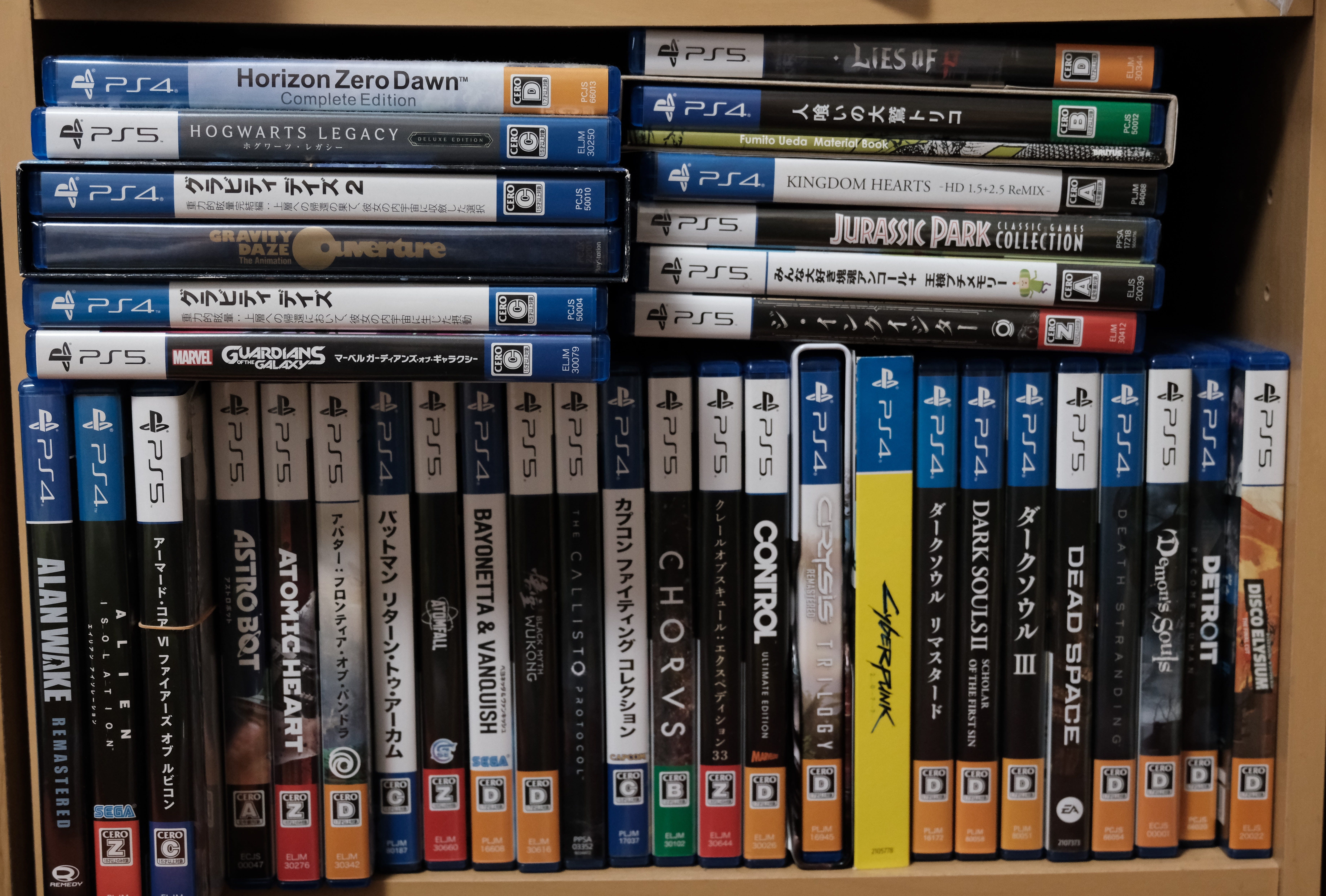
Over a decade ago, I remember picking up my pre-ordered copy of Metal Gear Solid V: The Phantom Pain at GameStop and eagerly waiting to play Hideo Kojima’s final entry in his stealth action series while I commuted home from university as a newly admitted freshman.
A few years before that, my late father bought me The Legend of Zelda: Skyward Sword at Best Buy for Christmas. He didn’t like my brother and I playing so many video games instead of studying, but he understood that they were important to us. Dad bought most of the Nintendo Wii games that we begged him for and he even played with us occasionally.
Winding the clock back even further, I will never forget when my mother got me a Game Boy Advance SP for Christmas in 2004, which started my lifelong journey as a gamer. She had kept her NES and original Game Boy in pristine condition with a handful of cartridges complete with their boxes and manuals. This further introduced me to the concept of owning a software library one could return to again and again.
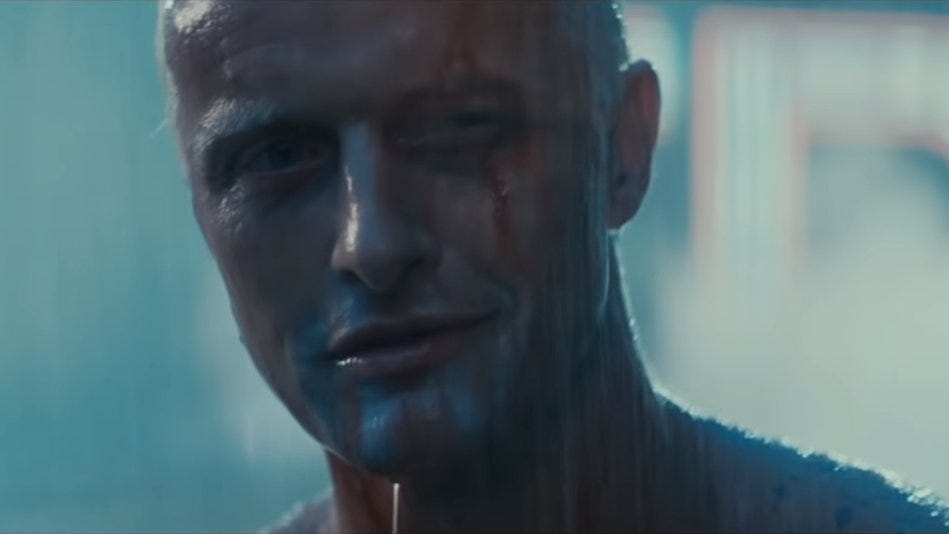
To quote Roy Batty from Blade Runner, “All those moments will be lost in time, like tears in rain.”
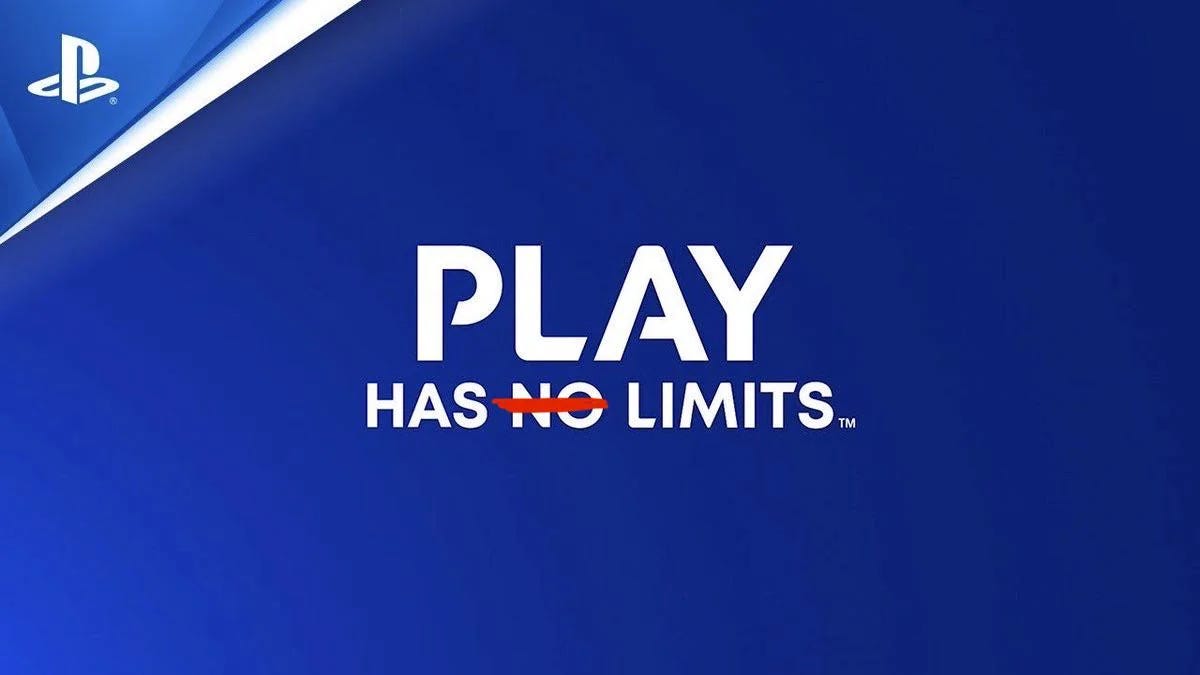
I didn’t think I would be writing the obituary for physical video games this soon and on such short notice, yet here we are. On July 1, Sony announced via their official blog that in addition to a gradual shutdown of digital storefronts for the aging PlayStation 3 and PlayStation Vita, they would be suspending physical disc production for all games on PlayStation consoles starting from January 2028 onward. Once doomsday for discs happens some 18 months from now, consumers will only be able to download new PlayStation 5 titles digitally from the PlayStation Store.
Despite Sony’s dubious claims that this reflects a preference desired by consumers (no one ever demands for the removal of an option to buy something), the backlash has been nothing short of explosive. The original blog post containing the announcement as of this writing has over 8,000 comments largely slamming the company for its decision. A poll conducted by IGN reported that over 90 percent of their audience do not want the future of video games to be all-digital. Even my initial response to the news garnered over 400 retweets and 2,600 likes on X, while later posts of mine have drawn in similar numbers.
Sony’s plan to axe physical media is currently the most-discussed topic in the video game industry because practically everyone with a working cerebral cortex knows that the consequences for both consumers and sellers will be disastrous. It should be emphasized that the end of disc production applies not just to Sony’s own in-house titles, but to all games developed and published by third parties. Anyone who wishes to sell a physical PlayStation game won’t be able to after January 2028 no matter how much they beg on their hands and knees. Billy Basso, developer of the indie title Animal Well, wrote that it “kills” his desire to ever develop for the platform ever again.
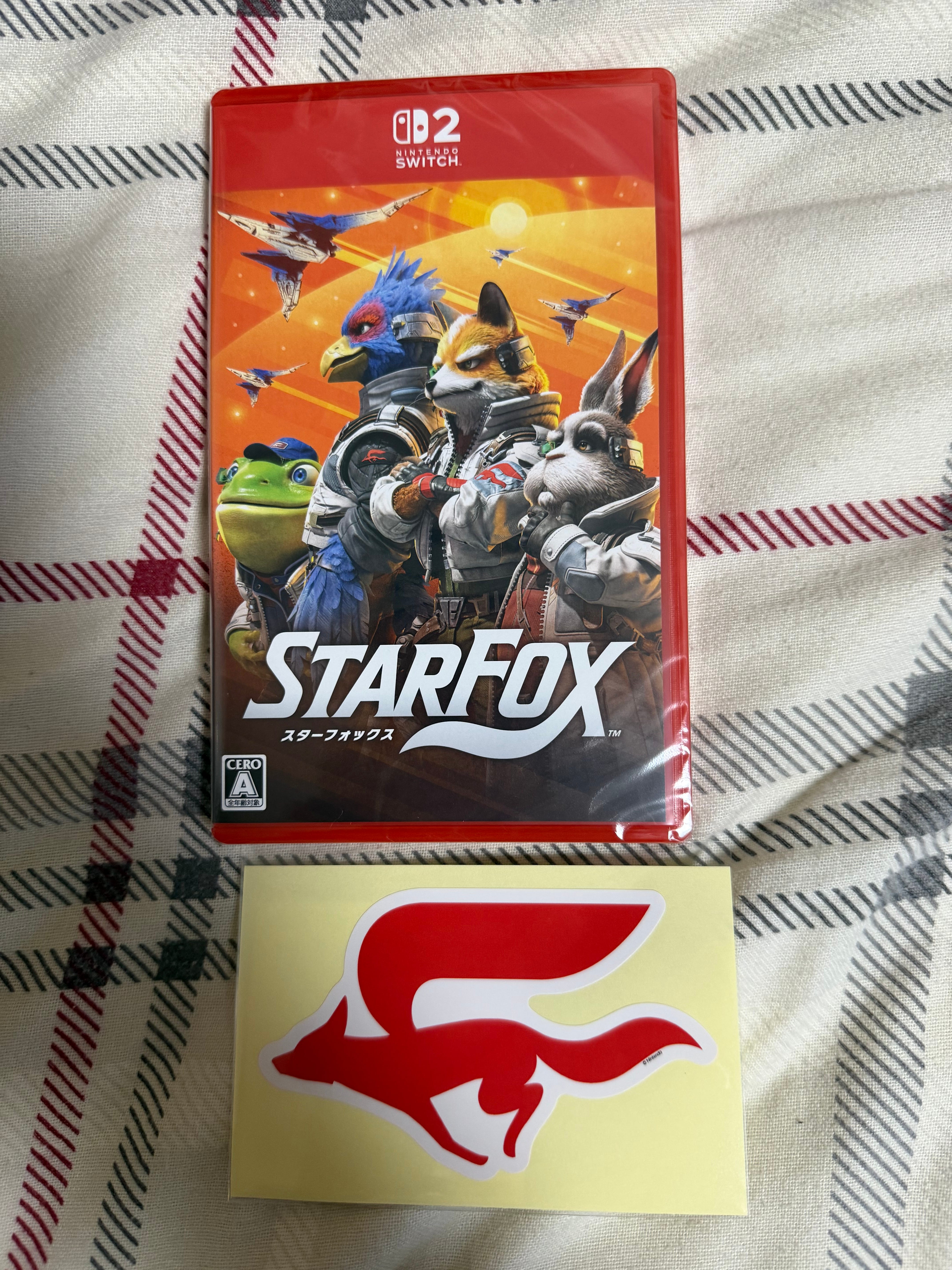
While it has yet to be confirmed, Microsoft’s Xbox Series X successor is rumored to be shipping with no disc drive as well. That leaves Nintendo as our only chance for video games on physical media sticking around beyond 2028, though this too comes with significant caveats. At present, the Switch 2’s library is mostly on Game-Key Cards which contain no actual data. Hopefully the Big N will pull through in providing devs with cheaper and smaller capacity cartridges since the present author refuses to buy any Switch 2 title on Game-Key Cards out of principle.
When it comes to disc-based video games, the writing is on the wall. Sony controls all Blu-ray production and they are already shutting down a factory in Austria which makes 600,000 blank discs every day. This is something they have obviously planned for years and it seems very unlikely that they will reverse course. Despite the strong online opposition, Sony likely believes that they can withstand the controversy. Losing tens of thousands of customers is a small price to pay if millions will still stay in their closed ecosystem. As much as I hate to admit it, this is also a problem the majority of consumers have created by choosing convenience over ownership.
Yet stop for a minute and consider how much this will radically change everything we’ve experienced with video games for the entirety of their existence. Whether an old Atari 2600 cartridge or a brand new PS5 disc, there has always been a market for a physical item you can buy, sell, trade, lend, or give to others. The anecdotes I opened this column with are things my children and their children will likely never be able to experience because there will be nothing for them to hold in their hands. Beyond just sentimental value, the deal until now was that whatever you bought was yours to keep essentially forever barring some physical accident or theft.
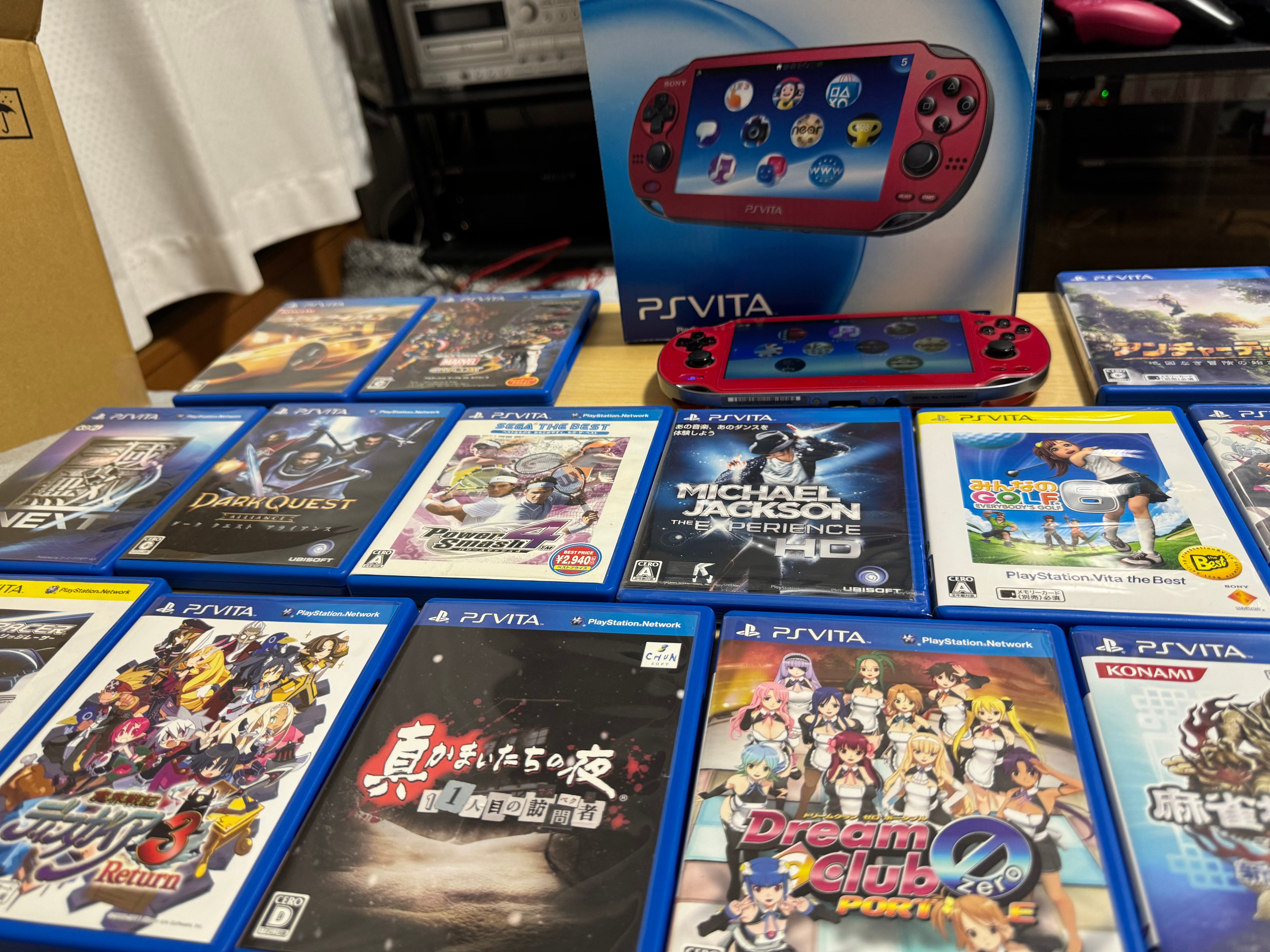
It is the likes of Sony who are now the thieves. Just last month, the company announced that digital purchases of StudioCanal movies would be removed from all user libraries due to the rights expiring. No refunds, of course. That’s digital purchases being deleted, not rentals. In this day and age, is there really a difference? From a legal standpoint, these were always meant to be licenses a user only had temporary access to before the rights holder pulled the plug whenever they saw fit. The amount of video games, movies, and TV shows which have been pulled from digital storefronts is too numerous to quantify.
A disc, too, is also technically meant to be a temporary license. The notable difference is that its physical nature and the existence of the first sale exception to copyright means that it can be owned or sold by a consumer for as long as the object itself remains intact. Make no mistake, the greediest corporations despise this fact. Before the internet became woven into the fabric of our society, selling media to the masses was always a problem of distribution. While many parts of the world and even large rural segments of developed countries struggle with strong enough online connections, Sony now believes the time has come to cut out the middleman.
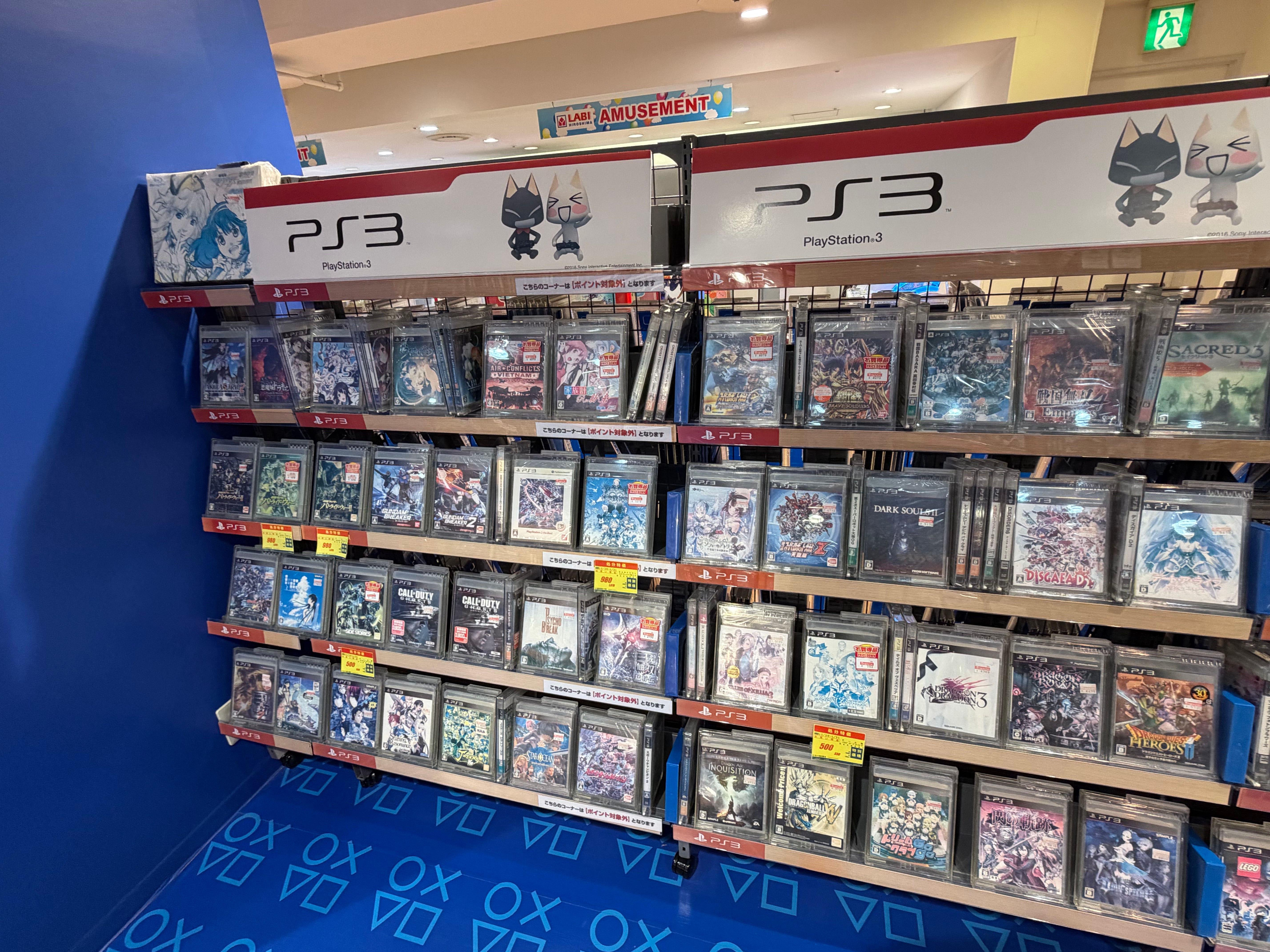
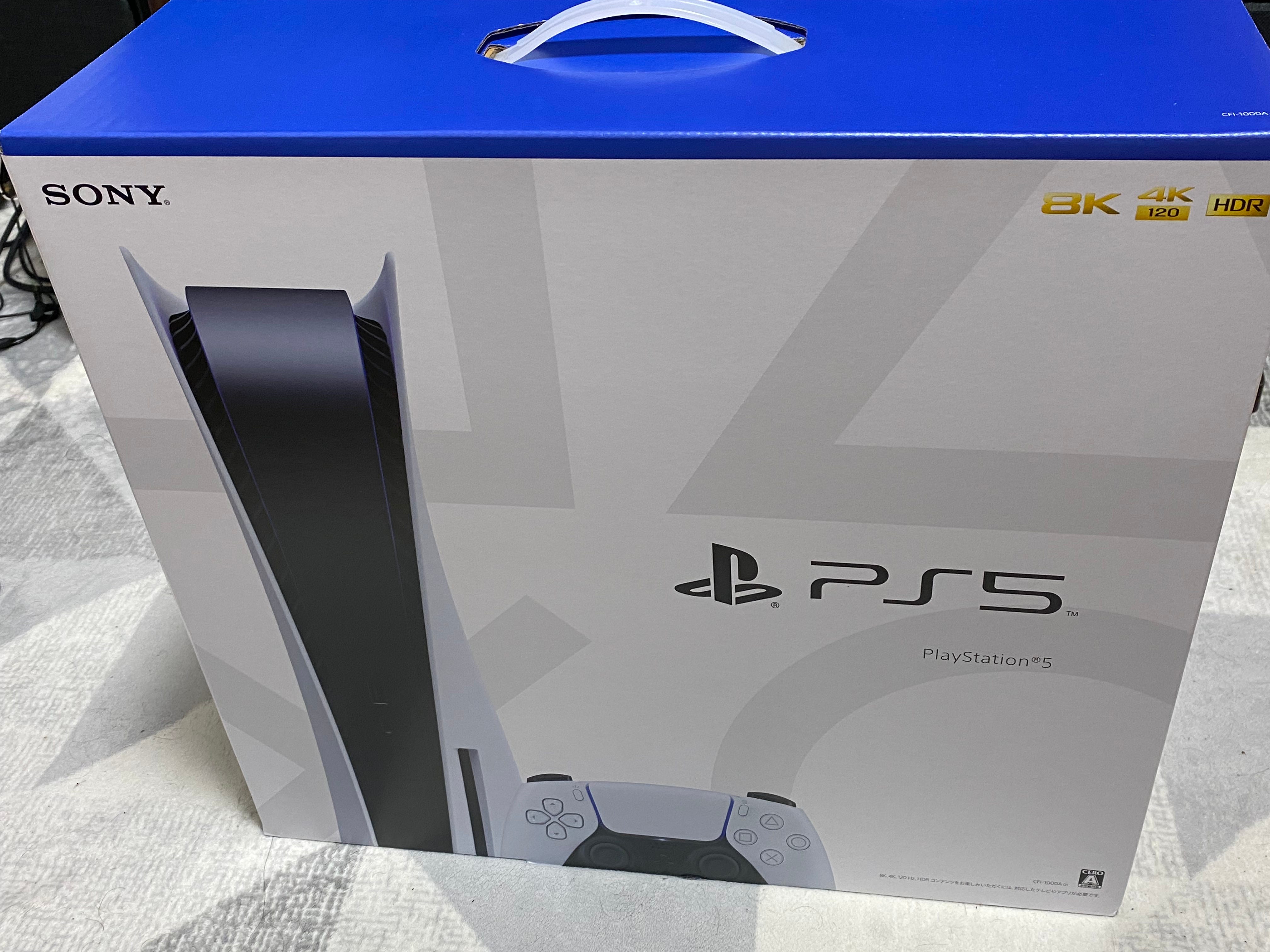
Sony is transitioning from being the popularizers of optical media to being its executioner. Physical media going away is only half the problem; there should be robust legal protections in place to ensure the consumer ownership of digital content. Sadly, we have never lived in that kind of environment and Sony is fully aware of that. By exclusively distributing PS5 and eventual PS6 games through the PlayStation Store, it no longer has to give a cut to brick-and-mortar stores or worry about shipping costs. In a just world, this would at least alleviate some of the financial burden on the consumer side, but remember, we live in 2026. With the all-digital Grand Theft Auto VI slated to retail for $80 and the PS6 likely to cost over $1000 due to parts shortages courtesy of AI data centers, the future looks bleak.
It will especially be bad in Japan. Having long pivoted to focusing on the North American and European markets, Sony has essentially forsaken players on its home turf who can’t afford the already eye-watering expensive PS5 Pro due to the extremely weak yen and rising costs of living. Gamers in Japan, myself included, heavily rely on the used market to find good deals on video games. This is one major reason why there is still a strong affinity for physical media here. With no discs available for sale from 2028, the PS6 will only be an option for the wealthiest of consumers.
Why would I want to drop over a grand on an always online console locked to one ecosystem where Sony sets all the software prices, there’s no market competition, and games can be unceremoniously delisted when the rights expire? This is why PC will likely be the only viable option moving forward, but that’s a topic for another day.
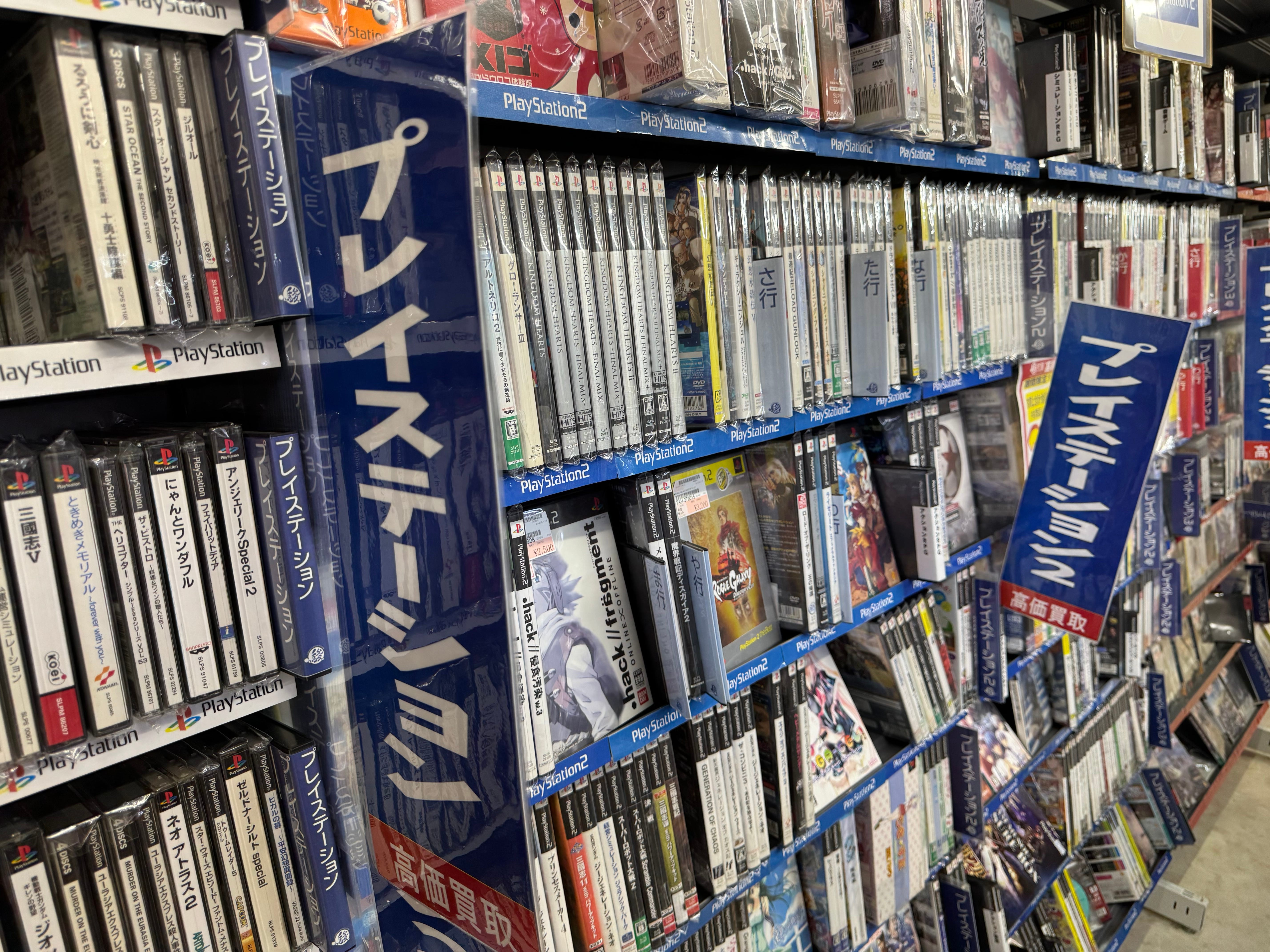
On the seller side, it’s no exaggeration to say that some people will lose their livelihoods or at the very least see a significant drop in revenue. The import-export company I’m currently starting with a partner is aiming to have contracts with suppliers so we can get a regular flow of new stock. By the time we are fully set up, Nintendo will likely be the only ones in town if they still plan on continuing with physical media for the long-term at all. Anticipating these changing market conditions, we should be ok since we plan to sell plenty of retro video games and non-gaming products. On the other hand, boutique companies like Limited Run will have to seriously rethink their operations or risk going out of business entirely.
It was a good run, folks. I’ll be turning 30 at the end of 2027, so the effective end of most physical video games comes at a poetically bittersweet time for me. Being able to experience video games throughout my teens and 20s by building a library of software I actually owned was truly wonderful. The Nintendo Switch 2 and my RTX 5060 gaming laptop will be enough for the occasional new release, but my interest in the future of the video game industry is more or less over. I’ve reached my limit of enshittification. As I pursue my career and have children with my wife who is just as devastated by this news as I am, the next few decades will be spent playing what we’ve amassed together. My backlog is enough to last a lifetime. To Sony, I say sayonara.
Foreign Perspectives is a reader-supported Substack. If you like my work and have come this far, consider opting for a paid subscription so I can continue writing in-depth articles such as these on a regular basis. Your support is greatly appreciated!