

Foreign Perspectives is a mix of free and paid content. Certain columns such as these are free for all subscribers, but other articles will be exclusive for paid subscribers. If you enjoy the work I do, please consider upgrading to a monthly or yearly subscription. Your support is greatly appreciated and ensures that this Substack can continue to deliver high quality pieces.
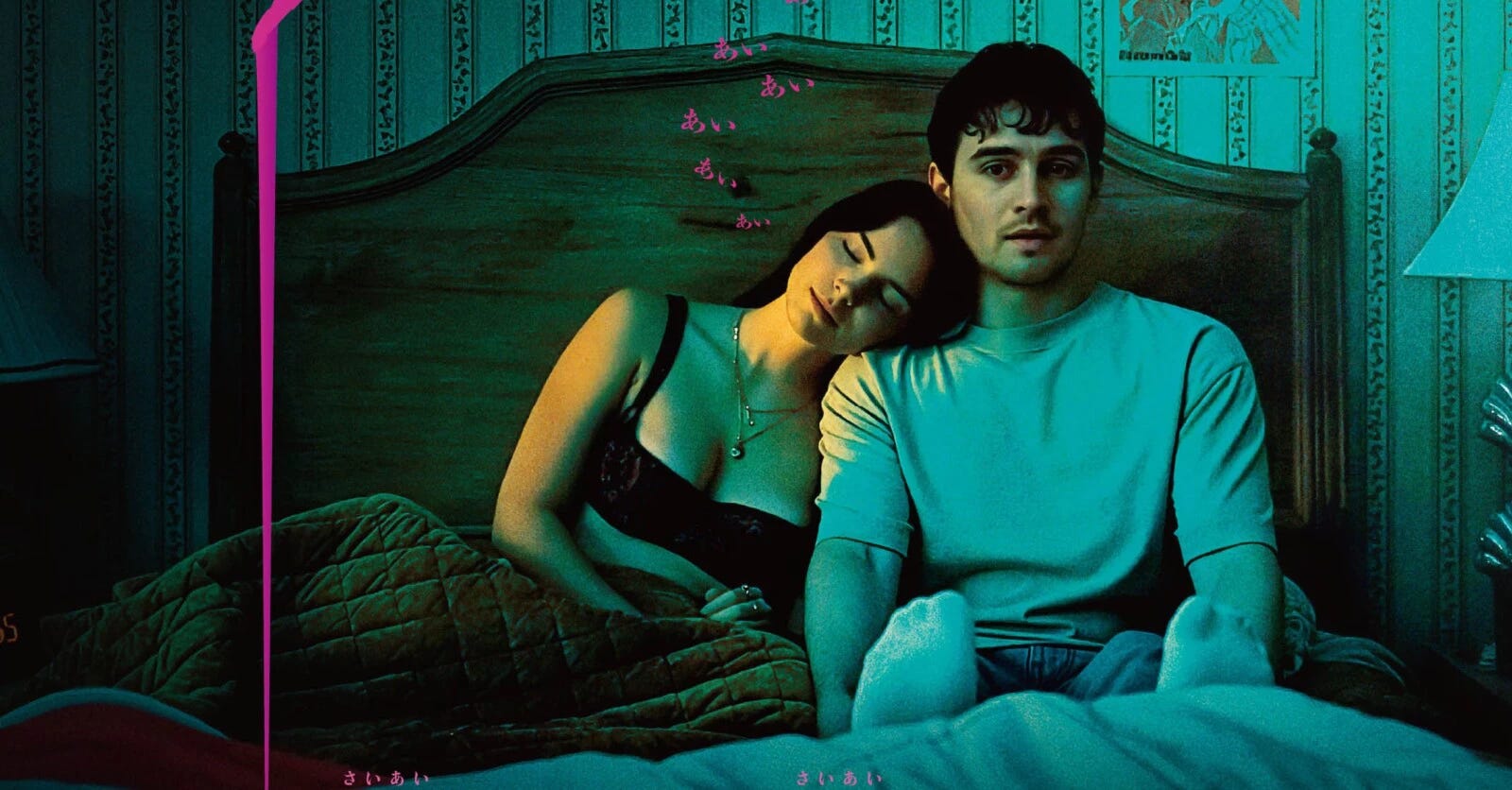
By this point, everyone and their mother will have seen or at least heard about Obsession. If you’re wondering why I’m late to the party, it’s because Curry Barker’s sleeper hit horror film took until this month to reach Japan. Yet even long after its wide theatrical release in the United States and other countries, people are still talking about Obsession with enough memes to shake a One Wish Willow at.
Despite having a shoestring budget of just $750,000, Obsession has grossed over $400 million worldwide. For context, it beat the latest Star Wars movie and is now the most successful film produced by Focus Features. Another horror picture in this conversation is Backrooms (which I won’t be able to see until September, again due to Japanese release delays), based on the creepypasta which became an internet meme in the 2010s. Both were directed by young twenty-something YouTubers turned aspiring filmmakers and both went on to set new box office records. I’d say that everyone’s expectations were exceeded, but no one really expected any of this to happen at all.
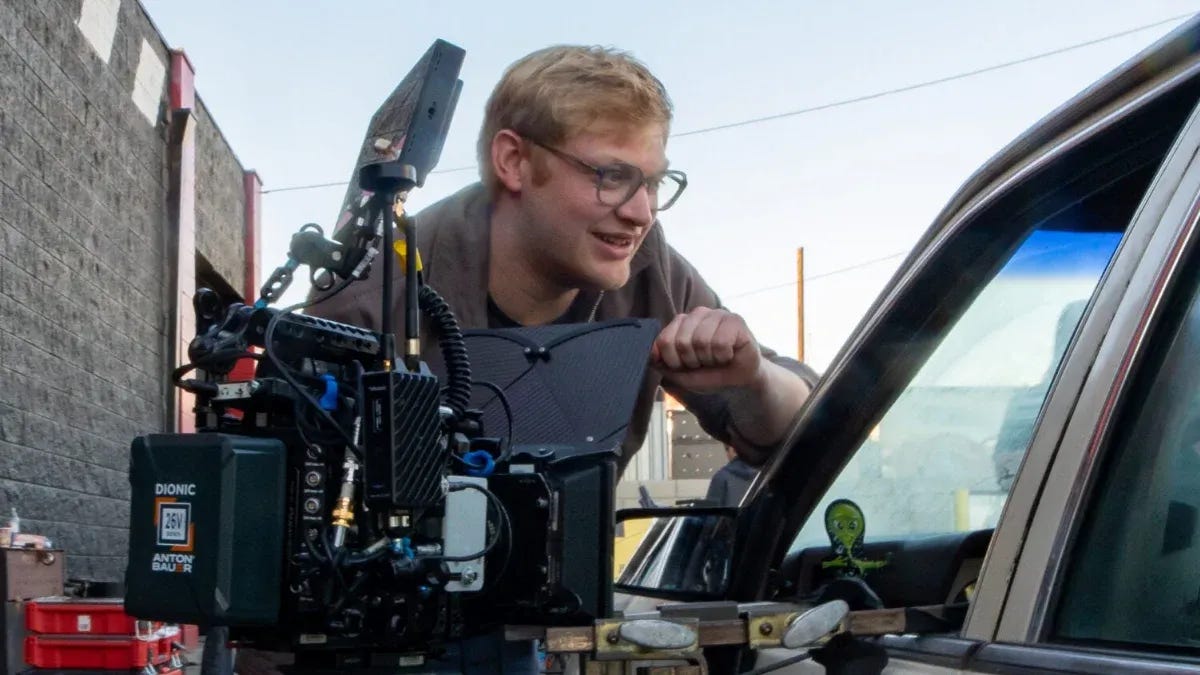
For the longest time, I was under the impression that Gen Z was losing interest in film. Video games long overtook them as young people’s preferred media due to the interactivity and breadth of content. The majority of Hollywood is still run by boomers, Gen X, and millennials, which leads to regular accusations that the film industry is out of touch with current trends. The phones aren’t helping, either. We all know how much of a problem endless doomscrolling is for all of our attention spans, though this is arguably a problem with all age demographics in our always online world. Yet the undisputed success of Obsession and Backrooms appears to suggest that a turning point is happening for cinema.
While a plethora of things are fighting for Gen Z’s time and focus, it is clear to me that cinema is not dying. In fact, it now has the potential to enter a period of rebirth it desperately needs. This coincides with an increasing number of zoomers rejecting the empty promises of AI and even returning to the old traditions of physical media. They want genuine experiences amid the decaying world of inauthentic bullshit being sold to them. The director of Obsession put it simply in an interview with The Hollywood Reporter: “I wish [the studios] understood that we’re tired of slop. We want good movies back. People are still hungry for movies that are original without some big IP, as long as the story is good.”
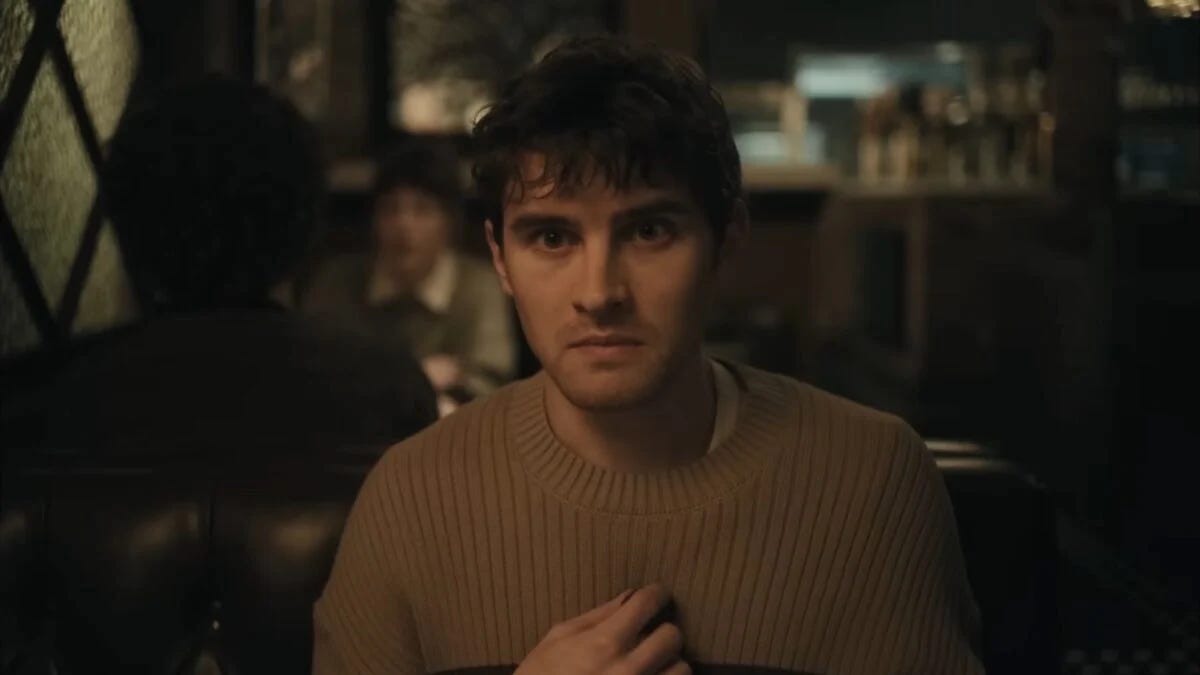
Indeed, Obsession works because it trusts the audience to be engaged and follow the rules of its world without any need for pointless handholding. The story follows a shy music store employee named Bear who pines for the affection of his co-worker Nikki. After acquiring a novelty toy called a One Wish Willow which advertises itself as being able to grant the deepest desires of its owner, Bear wishes for Nikki to fall madly in love with him and breaks the wood in half. What starts off as all his dreams coming true quickly devolves into the living hell as suggested by the film’s eponymous title.
What I believe will make Obsession last well beyond its current online trendiness is how it tells a universal tale of human folly that can be applicable to all eras. Bear being somewhat of a wishy-washy jellyfish who can’t properly confess his feelings to a girl he likes is the setup for every unrequited love story we’ve seen in a million teen drama films. Humans wishing for something and getting far more than they bargained for is also one of the oldest storytelling tropes. Barker, however, applies clever twists on familiar territory by showing how most wishes are inherently selfish since they infringe on the free will of others.
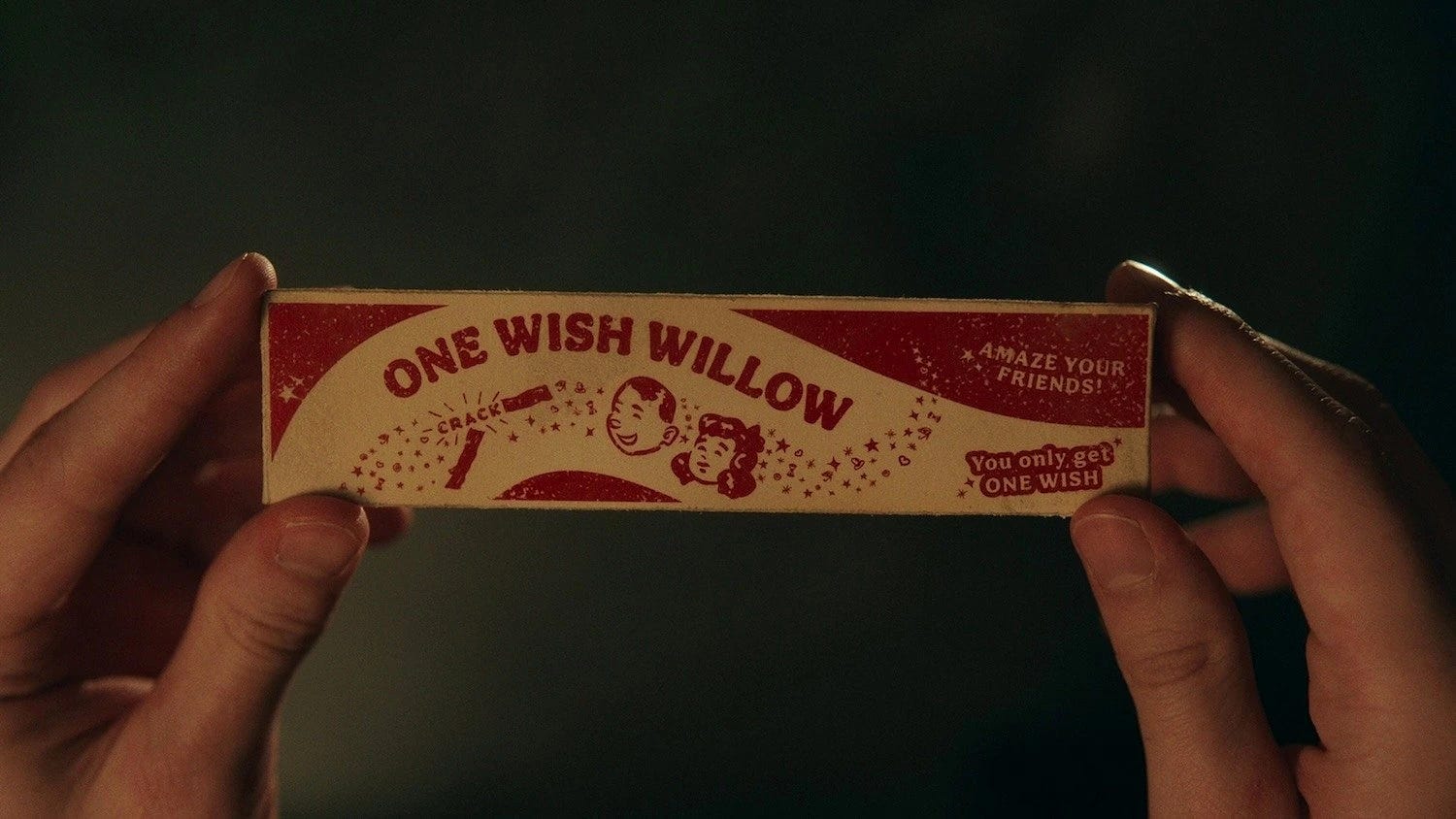
The most obvious inspiration is the horror short story “The Monkey’s Paw” by W. W. Jacobs, which centers on how wishes can come with disastrous consequences. This in turn was popularized by The Simpsons in “Treehouse of Horror II,” an episode of the show that Barker himself cites as an influence on his film. As Obsession depicts, matters of the heart are likely among the the most dangerous wishes. In reality, true love between two people is something that takes years to foster and cannot be created through shortcuts. Being young, Bear lacks the life experience to understand that and instead tries to jump to the finish line with Nikki. What happens next is something I won’t spoil because that’s where the real fun of Obsession lies.
Horror is generally not my go-to genre because most of these flicks deliver little more than cheap exploitation and thrills. On the other hand, it is arguably the most populist category of film for aspiring artists because of its general inexpensiveness. A good director who knows what he’s doing can occasionally produce some real moments of fear without resorting to just shock value. Thankfully, Obsession is shot with confidence and economy, while the surgical editing brings everything together. The majority of YouTubers find this the most tedious part of their creations, but Barker evidently had a ball bringing his footage together into something that aims to genuinely thrill audiences.
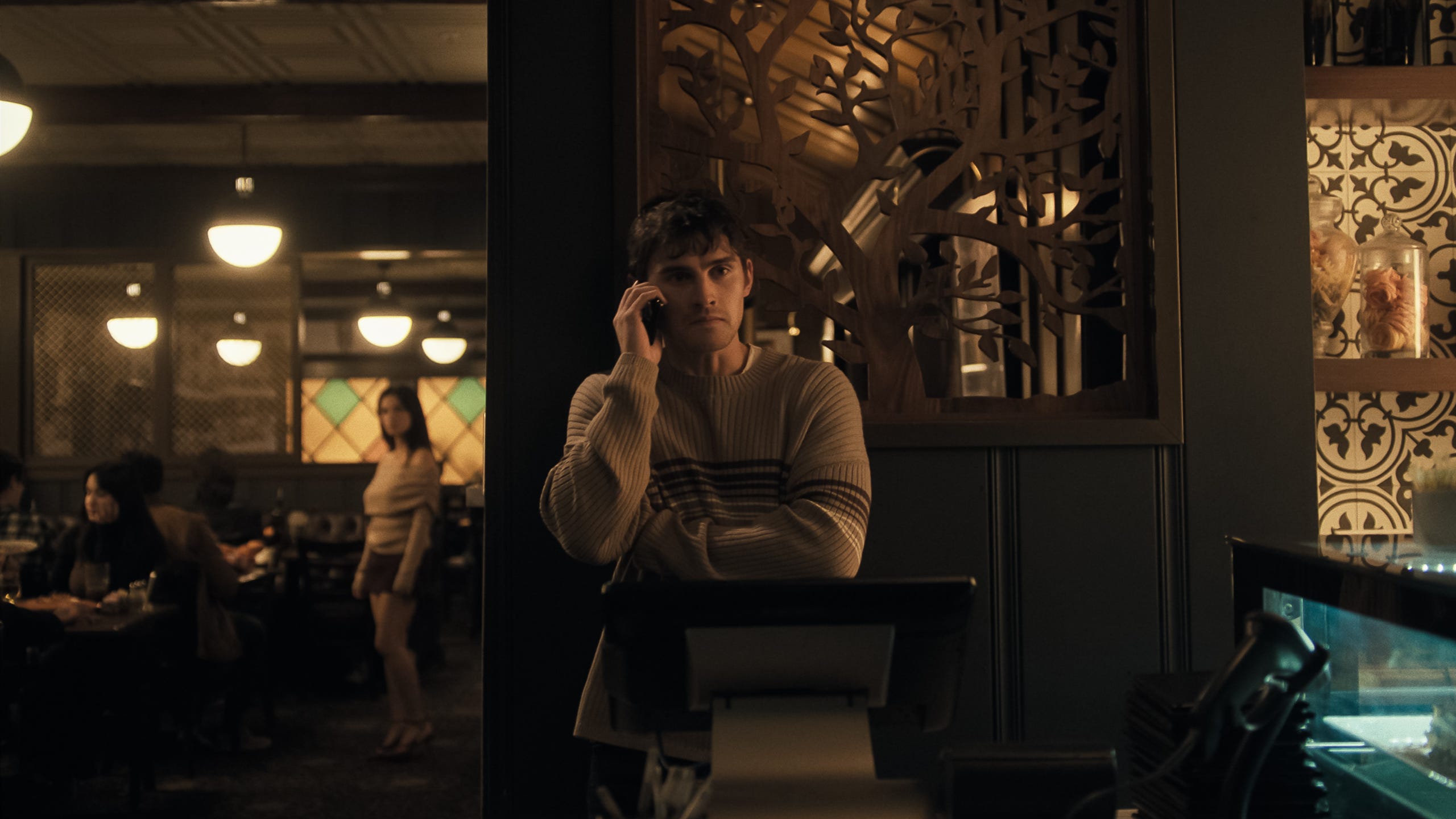
My near-full house screening in Kyoto was the first time in quite a while that I truly felt on the edge of my seat in a cinema. Every moment of tension feels terrifying because Barker keeps you guessing without devolving into tired cliches. True on-screen gore doesn’t really appear until the end, but it feels earned by the time we get there. The soft filtering of the muted colors and ambient electronic score by Rock Burwell effectively carry the material, which in turn is superbly performed by the film’s cast of young actors. Special praise must be given to Inde Navarrette’s chilling take on Nikki, and one only has to view her viral “date scene” from midway through to be assured that these people are destined for great things.

Despite only being 26, Barker has created a compelling piece of cinema that demonstrates creative wisdom years beyond the director’s age. In both narrative and craftsmanship, Obsession is anything but the work of an unsure amateur. The youthful energy Barker brings to the table with his cast of peers gives audiences something purely imaginative they haven’t felt in quite some time. It echos the likes of other early debuts such as Christopher Nolan with Following, George Lucas with THX 1138, Steven Spielberg with Duel, and, yes, even Orson Welles with Citizen Kane.
It is far too early to know if Barker will become one of the greats we speak of decades from now, but Obsession at least channels the same creative spark that leads to eventual greatness. He’s already slated to direct A24’s planned remake of Texas Chainsaw Massacre, which is a fitting choice given the similarly limited resources Tobe Hooper had at his disposal in 1974. His other film in the works, Anything But Ghosts, will take things in a slightly more humorous direction. It’s actually set to take place in the same universe of Obsession, and Barker believes that there’s potential for an anthology television series around other characters encountering the One Wish Willow.
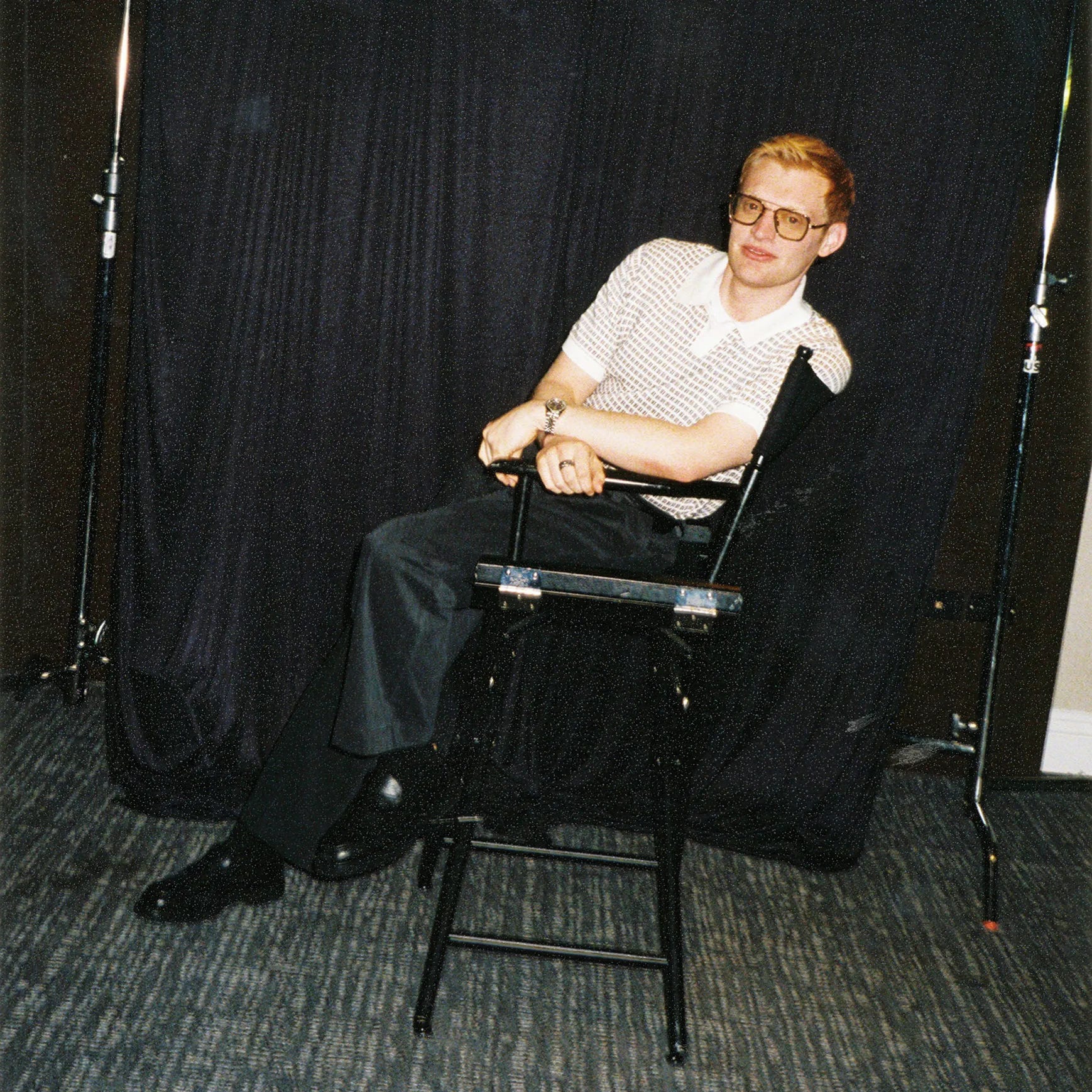
Obsession itself won’t be to everyone’s taste given the grim material that some could argue borders on nihilistic and you should not expect anything close to a neat, happy ending. Personal preferences aside, however, few would question its overall quality as a well-paced horror thriller and an exceptional feature film debut from an artist who hopefully signals the arrival of new kids on the block. It has been a long time since Hollywood actually gave directors around Barker’s age a shot, but the risk has paid off. The industry now ought to heed his advice that Gen Z wants to see good films. With enough of a push, they will soon be the ones making them, too.
Foreign Perspectives is a reader-supported Substack. If you like my work and have come this far, consider opting for a paid subscription so I can continue writing in-depth articles such as these on a regular basis. Your support is greatly appreciated!
Loved this movie and will buy it on Blu-ray. However, the American “Collector's Edition” 4K Blu-ray, which is already out, is the theatrical cut, the version that had to be censored just a bit to get the R rating. However, we were also promised a release of the uncut (unrated) version. If they keep that promise, then they're expecting fans to double dip. I shall not! I shall wait. I imagine Japan will only get 1 Blu-ray and it will be the theatrical cut as well, but would be intresting if it were otherwize.