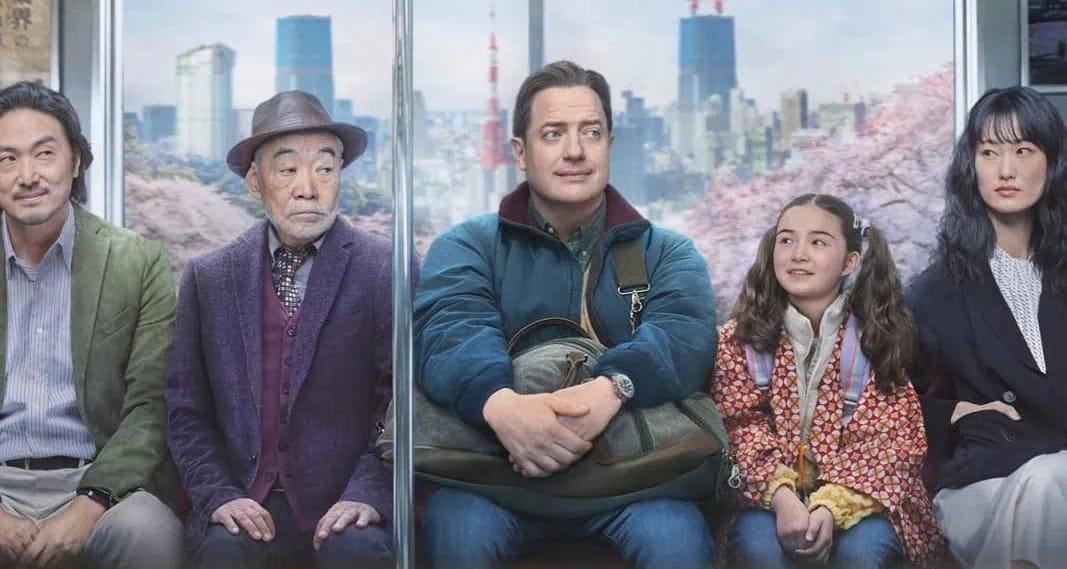
Foreign Perspectives is a mix of free and paid content. Articles such as these are exclusively for paid subscribers, so if you enjoy the work I do, please consider upgrading to a monthly or yearly subscription. Your support is greatly appreciated and ensures that this Substack can continue to deliver high quality pieces.
Take advantage of my Welcome Back Spring Sale and get 20% off yearly subscriptions here!
If you told me last year that one of the best films of 2025 was Rental Family, I wouldn’t have believed you. It took me awhile to get this one due to a late February release in Japan and some other writing projects that took up my time, but I’ve finally seen it. My opinion now could not be more different. When I first heard about its premise featuring an American actor working for a family rental agency in Tokyo, the only thing that really caught my interest was that it starred Brendan Fraser in the lead role. I consider him to be among the best actors alive and knew that his performance would at least provide some entertainment. Rental Family’s titular subject, however, gave me some pause.
The story follows Phillip Vanderploeg, an American actor who has been living in Tokyo for a few years. Phillip is no celebrity, but he makes an irregular living as the token foreigner needed for commercials and background bit parts on television shows. One of these day jobs eventually gets him working at a company which aims to provide temporary companionship for the countless lonely souls living in Japan’s exhausting capital city. It’s almost like prostitution, but instead of sex, people in the “rental family” industry work to fill a lacking emotional or social absence. Phillip naturally has serious reservations about his new occupation, but he soon begins to realize there may be more to it than just fakeness.
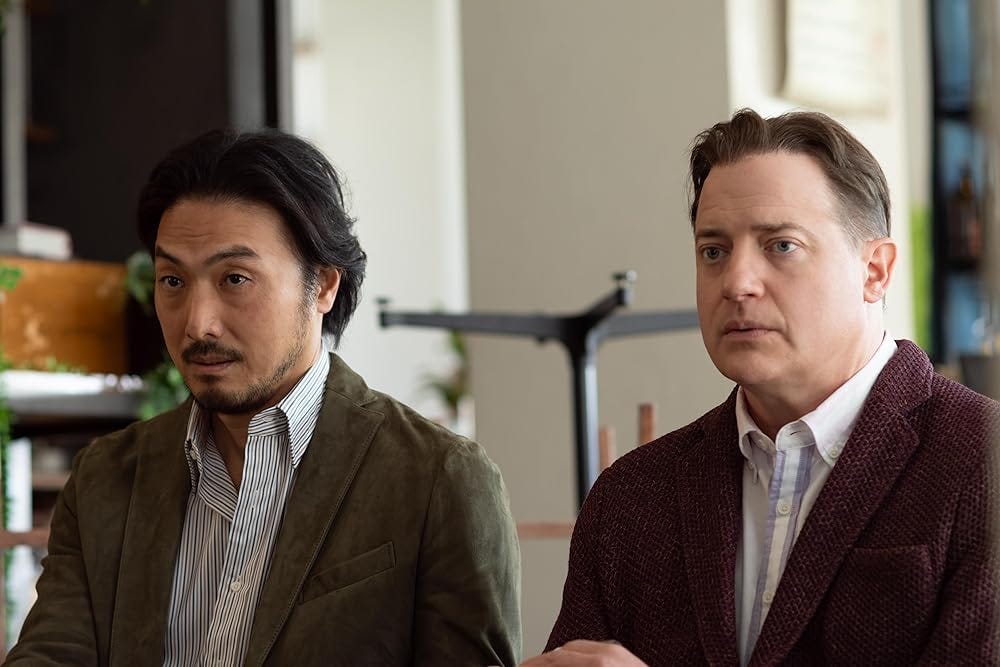
Hiring who are essentially paid actors to play family members, friends, lovers, or other roles to keep up social appearances is indeed a real service in Japan, but it’s often something that Western media uses to portray the country as “weird” for the sake of entertainment. The exaggerated urban legends around used panty vending machines or the misconception that Japan has more adultery than other countries come to mind as other similar clickbait stories. In reality, rental families are a very niche business that most Japanese people would likely not be comfortable using or find rather sad.
This, however, is where Rental Family truly surprised me. Pretty much every fear I had about this film exoticizing Japan vanished during the first act when it became clear that this would be an intelligent screenplay about believable human drama. Phillip is naturally our audience surrogate, but he isn’t a clueless foreigner. He’s lived long enough in Japan to speak the language at a reasonably conversational level, and the code-switching with Japanese people who speak fluent English will be familiar to anyone who has lived here in a similar situation. Brendan Fraser’s performance is fantastic and despite having only phonetically memorized Japanese for his role, he could pass fine for your average expat.