

Foreign Perspectives is a mix of free and paid content. Certain columns such as these are free for all subscribers, but other articles will be exclusive for paid subscribers. If you enjoy the work I do, please consider upgrading to a monthly or yearly subscription. Your support is greatly appreciated and ensures that this Substack can continue to deliver high quality pieces.
Since he debuted in Amazing Fantasy #15 almost 65 years ago, Spider-Man has seen no shortage of adaptations to film and other media. Whether it’s the imperfect, but classic Sam Raimi movie trilogy or the recent video game series by Insomniac with its immensely satisfying web-swinging, creators have found seemingly endless possibilities to interpret the colorful comic book world created by Stan Lee and Steve Ditko. The character is an integral part American pop culture, never leaving the zeitgeist.
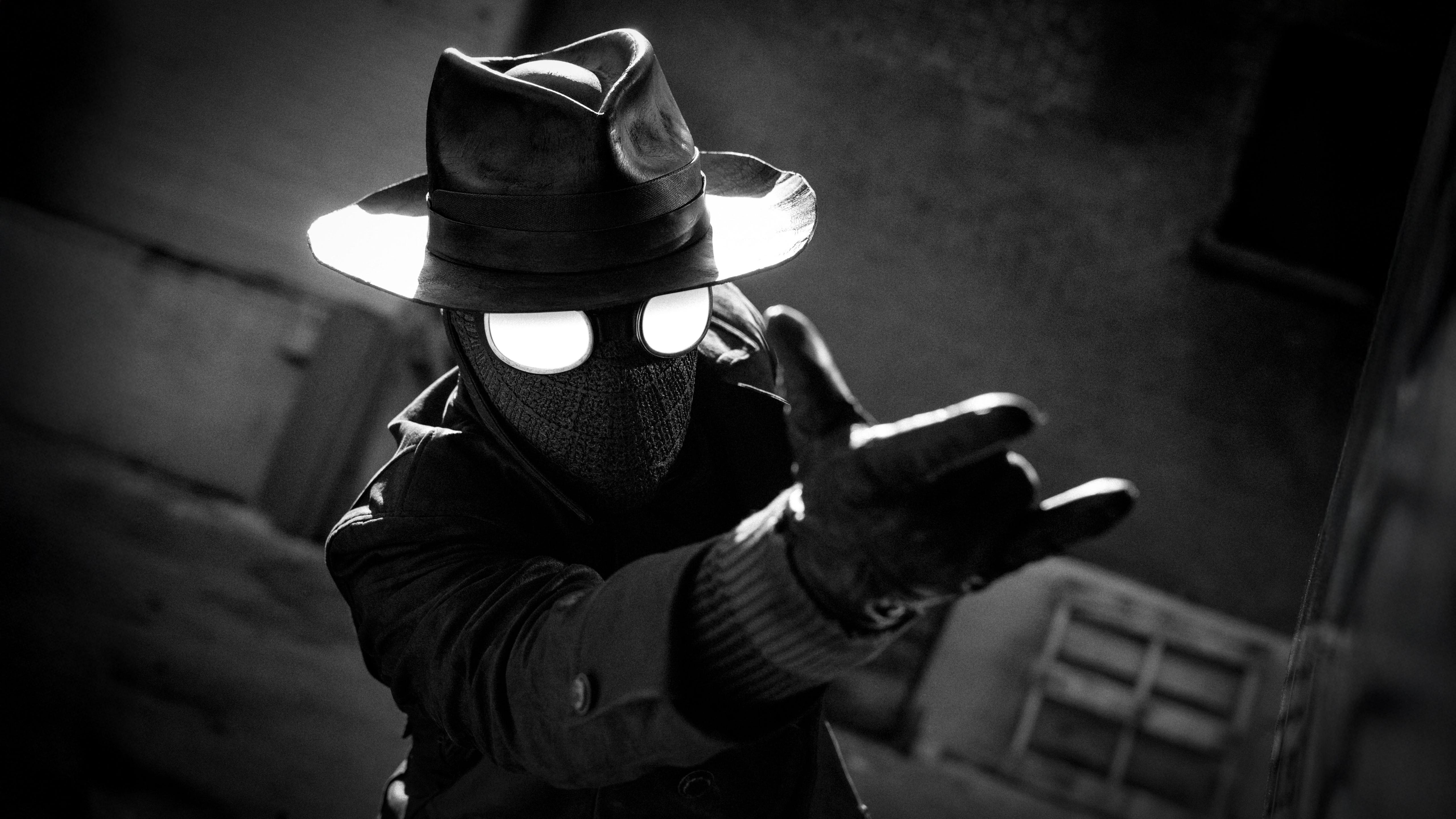
Spider-Man: Brand New Day will be out next month, but it’s not even the most interesting recent project featuring the wall crawler. It turns out that the smartest move Spider-Man could have taken was backwards, not forwards. Unapologetically old school, Spider-Noir is easily among the best things you’ll watch this year. This streaming television series features Nicolas Cage playing a version of the character that harkens back to the hard boiled protagonists of film noir portrayed by Humphrey Bogart and James Cagney. Across eight tightly-written episodes, viewers are treated to a compelling show which draws upon existing Spider-Man lore and manages to be accessible even for audiences who have never seen a black and white film in their lives.
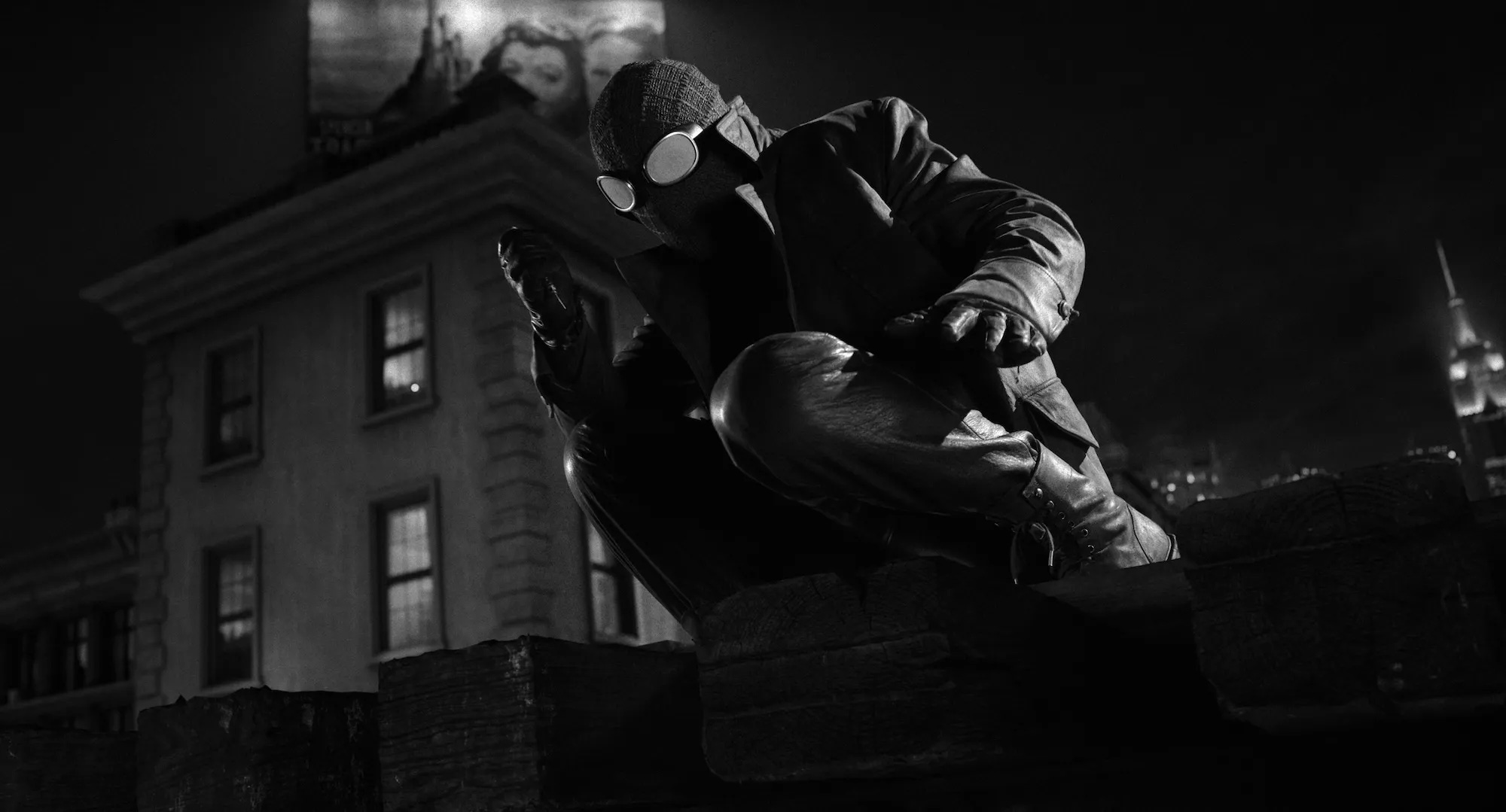
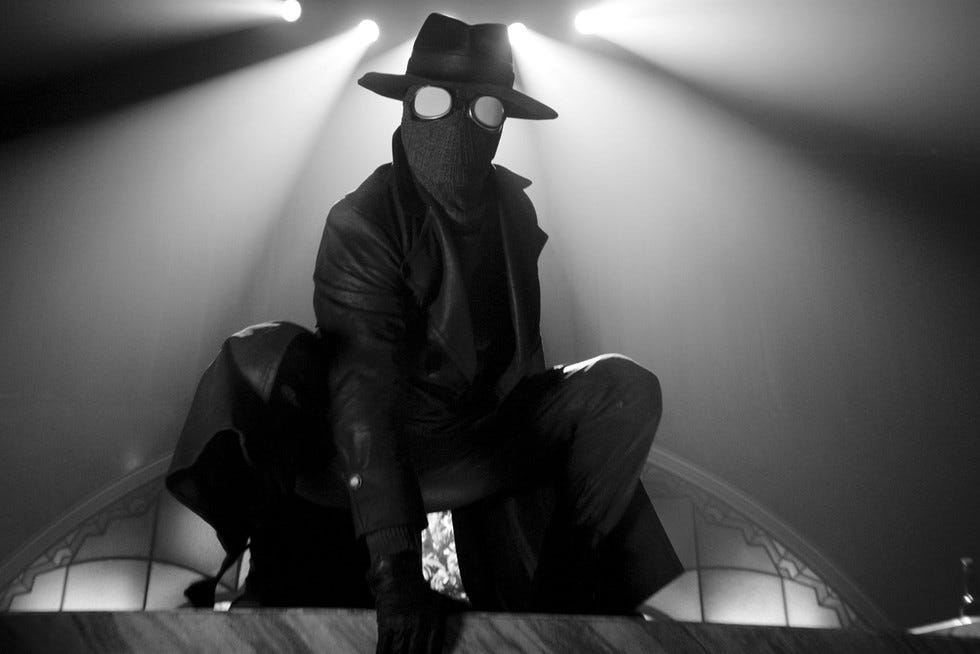
And how glorious Spider-Noir is for embracing monochrome! The show is available with the option of “Authentic Black & White” or “True-Hue Full Color,” but I strongly recommend springing for the former on your first watch. Many 21st century films from Logan to Godzilla Minus One have received black and white versions after the fact, but to mixed results. Spider-Noir, however, was shot from the get-go with both color schemes in mind and the results are simply breathtaking. As anyone decently familiar with composition and lighting will know, you can’t just zap the color out of the image and call it a day. Orson Welles famously, and stubbornly, refused to bring color to most of his works as a conscious creative choice even after it became a widespread part of film.
The team behind Spider-Noir clearly did their homework because the cinematography and effective use of light and shadow are convincing tributes to the classic works which inspired this series. When viewed in black and white, it feels like a natural extension of something like The Maltese Falcon or The Third Man. Its colorful counterpart, in contrast, comes across as a bright homage to the pulpy comic books of early Marvel and is more reminicent of L.A. Confidential. The use of low and Dutch angles accent the noirish elements, while the larger outdoor scenes never make you forget that this is still a Spider-Man story.
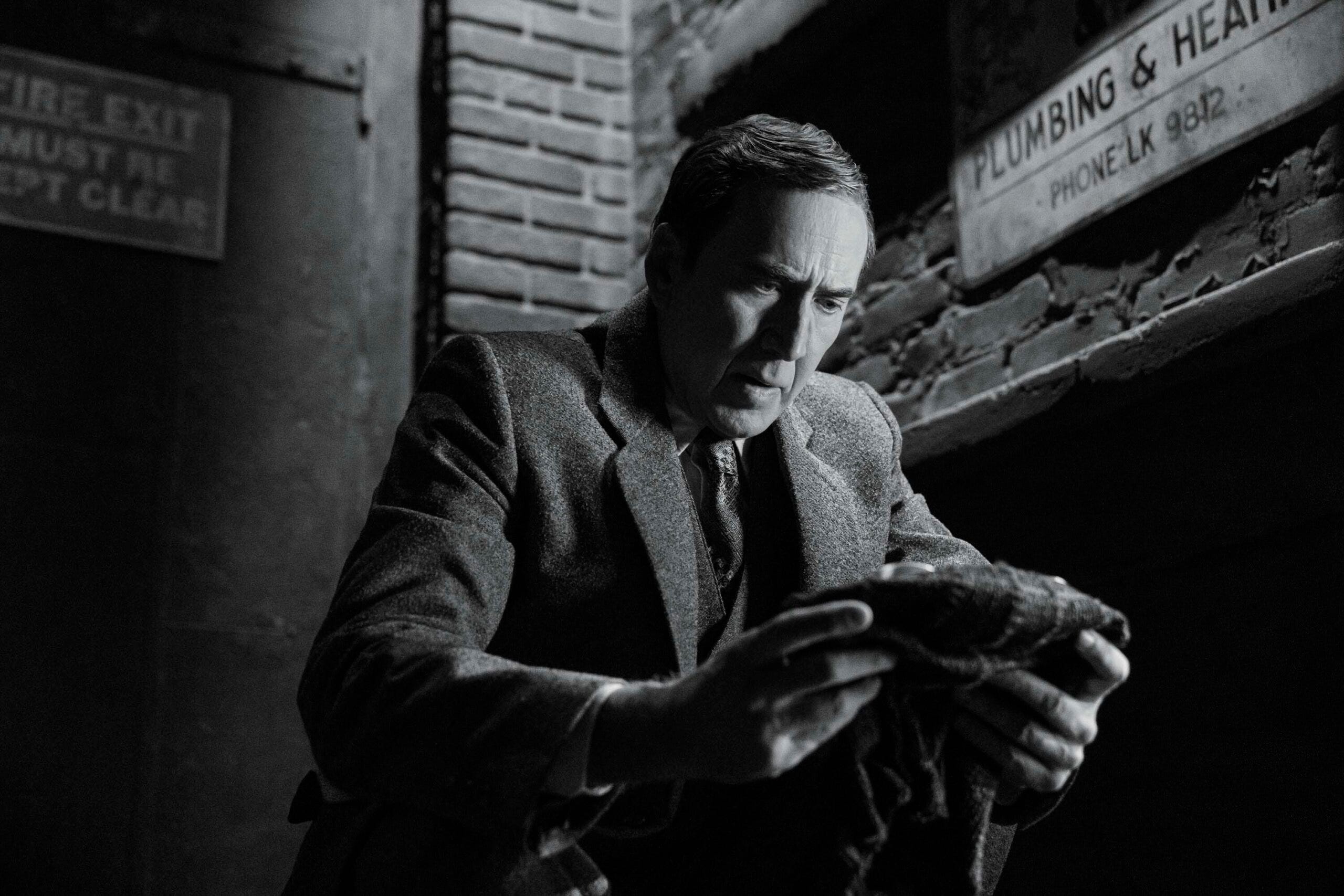
In 2009, Marvel launched their Noir limited run of comic books which featured the likes of Spider-Man, Iron Man, and Daredevil during the Great Depression fighting crime decades before their mainstream counterparts. I read the original Spider-Man Noir storylines earlier this year, but came away somewhat disappointed that they didn’t really take full advantage of their intended setting. Spider-Noir is thankfully not a direct adaptation and opts to go for an original story instead. Nicolas Cage previously voiced a version of the character in 2018’s Spider-Man: Into the Spider-Verse, but the one in this series is yet again a different incarnation.
Don’t worry about complicated continuity or timelines, though. Spider-Noir establishes from Cage’s opening monologue that this show is its own thing with seemingly little interest in crossing over to other universes. For one thing, its protagonist is named Ben Reilly, a reference to Peter Parker’s clone of the same name. A canonical reason is later given for the name change, but I won’t spoil it here. His superhero alter-ego is also called “The Spider” in reference to classic pulp heroes, not Spider-Man. Another odd naming quirk is the series going with the obscure villain Megawatt instead of the more famous Electro. I’m sure there will be endless debates as to whether these are legitimate creative choices or just Sony trying to avoid too much crossover with existing Spidey stuff in the MCU.
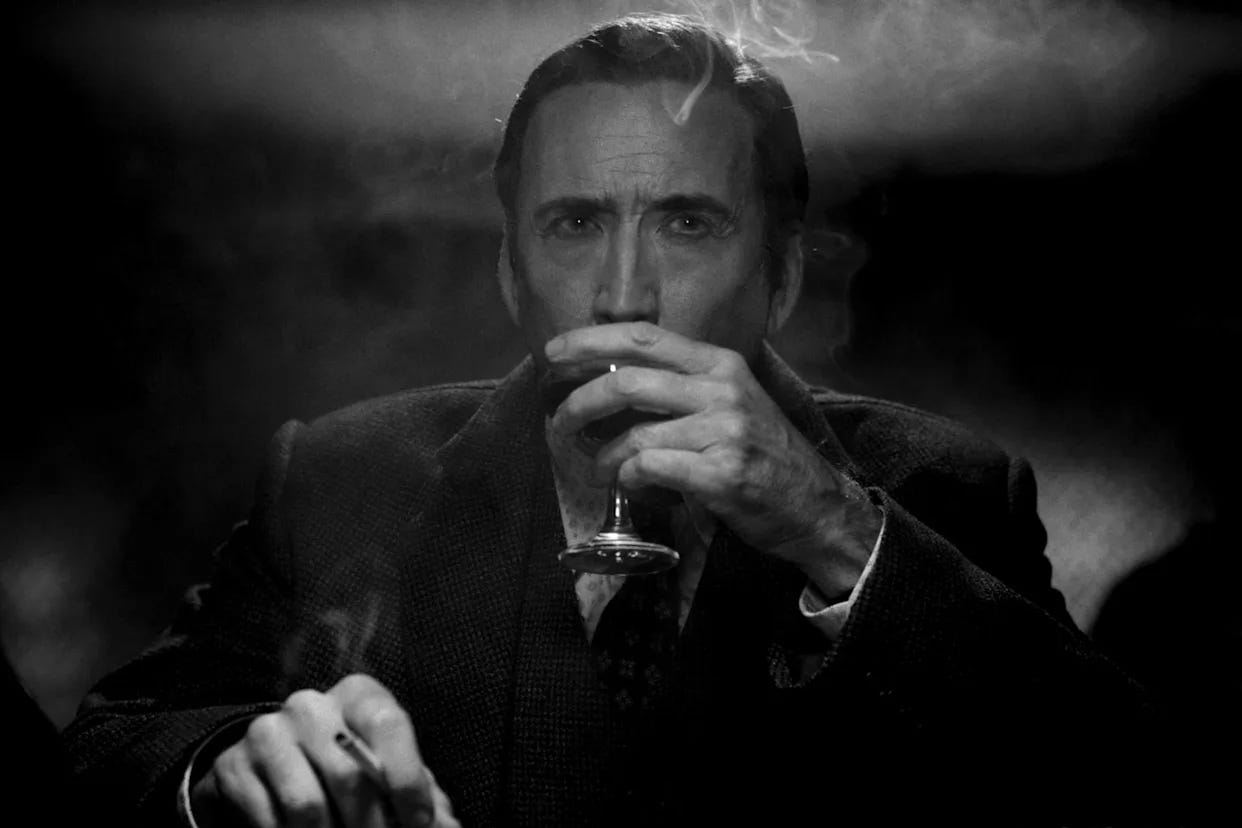
Regardless, Ben Reilly is certainly no Peter Parker. He shares the similar down on one’s luck life situation that’s common in most Spider-Man stories, but he has little interest in being a hero for heroism’s sake. Reilly blames himself for the death of his fiancée Ruby Williams and retired as The Spider years ago. Now an aging private detective who drinks too much, he’s just trying to get by amid the dismal economic situation around him. In contrast to the famous words from Uncle Ben, “With no power comes no responsibility” is his mantra. But after a new client brings him a case, Reilly is thrust into a greater conspiracy of criminals with superpowers who threaten the safety of New York.
While he has been the butt of many jokes and memes for decades, Nicolas Cage’s performance sells Spider-Noir. A noted comic book fan himself, Cage was infamously slated to play Superman in an unproduced Tim Burton film back in the late 1990s. He later went on to be in the Ghost Rider and Kick-Ass films, but this series is his best superhero role yet. Channeling Humphrey Bogart and Bugs Bunny with his old timey cadence, Cage is a convincing 1930s Spider-Man and the 62-year-old actor apparently performed most of the stunts himself. Spidey is also supposed to be a funny hero, and we see that in spades when Cage is given room to be his naturally bizarre self.
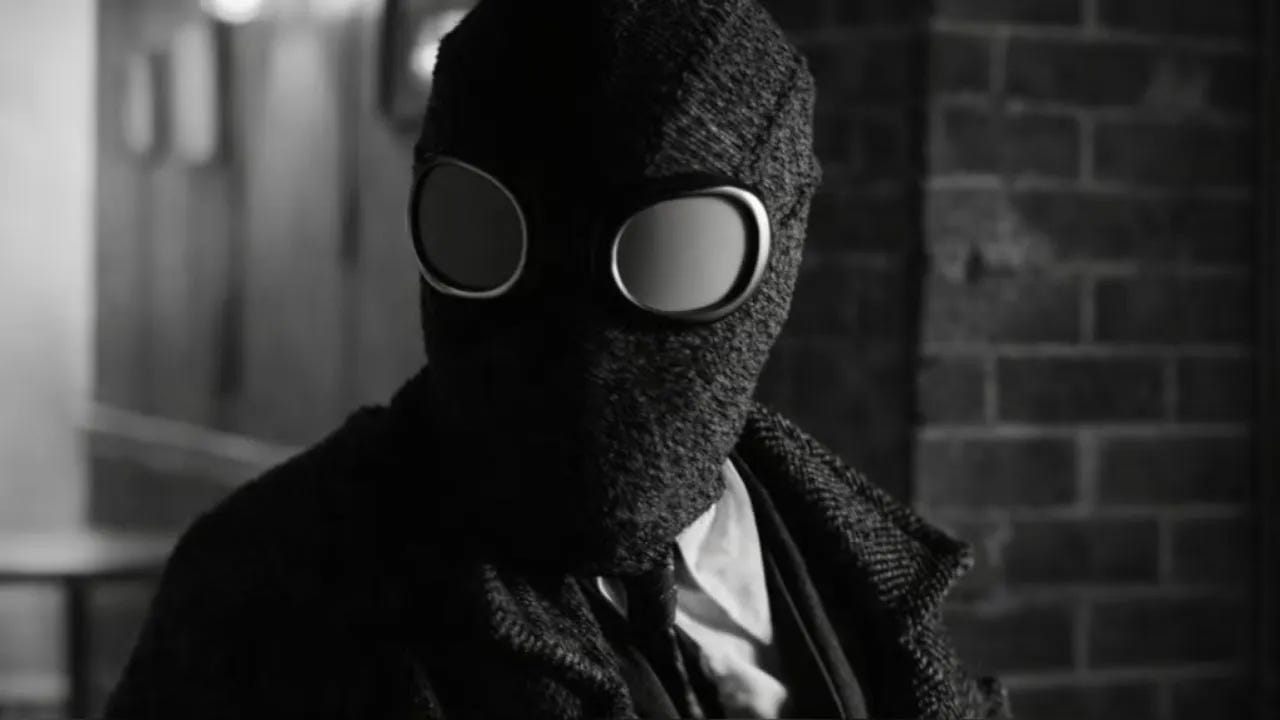
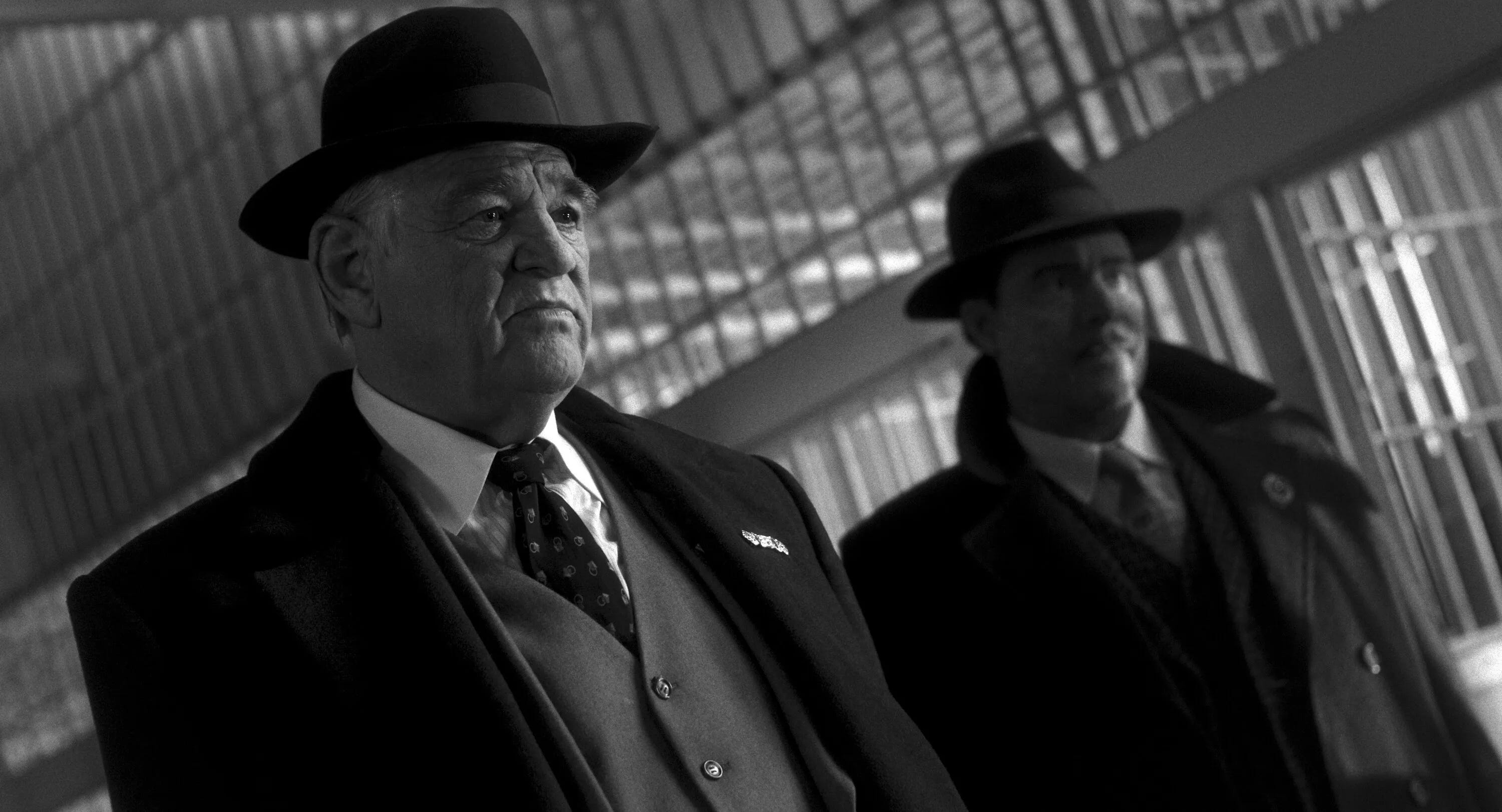
The rest of the cast successfully delivers the desired film noir vibes whether it’s Li Jun Li as the femme fatale love interest modeled after Black Cat or English actor Jack Huston’s impeccable working class American accent for his sympathetic take on Sandman. The most delightful performance is Brendan Gleeson as the main antagonist Silvermane. From the moment this character appears, we see that he’s an excellent menacing foil for Cage. Many top tier actors of Gleeson’s caliber wind up being constrained by studio decisions in superhero projects, but he’s given full reign to play a nuanced and classically evil villain who steals practically every scene he’s in.
For as much praise as I can lavish onto Spider-Noir, there are some minor quibbles which prevent it from being a full masterpiece. While I enjoyed most of the villains, a lot of the scenes with Megawatt stretch on to the point where the character becomes slightly grating. More distracting is the amount of anachronisms which remind you that this was written by people living in the 2020s. Sure, I can accept some elements necessary for the sake of the story such as genetic engineering even if that kind of science wouldn’t appear until decades later. You sort of need those things in a Spider-Man story, so I’ll give this alternate universe leeway.
Less forgiving is the dialogue which contains slang and turns of phrase that certainly would not have been used nearly a century ago. It’s a bit of an odd middle ground where Cage and the actors will strive to be decently period accurate in some scenes, while in others you can hear the modernity slipping through. Easily my biggest disappointment is with Spider-Noir’s music. Akin to Chinatown or L.A. Noire, I would have loved to hear a traditional jazz score with lush orchestral elements. We simply don’t get that here. It’s instead a soundscape that relies on low key modern electronic synths and strings which work decently to propel the action, but it’s all forgettable. A damn shame they couldn’t bring in a more melodic-driven composer like Michael Giacchino.
That aside, Spider-Noir is worth your time from start to finish. Unlike so many superhero shows and films we’ve had to deal with over the years which reduce interesting ideas into disposable content, this truly is something special. It pays respect to the long tradition of both film noir and Spider-Man as a character with the result being something surprisingly fresh despite familiar ground. Above all, you can tell it was made by people who cared. Without revealing too much, I appreciated the way this season concluded. Like many classic film noirs, it’s not the happiest of endings tied up with a neat bow, but it does leaves the door open for future adventures and our hero keeps his head high. I would certainly like to see more of Cage’s Spider-Man one day.
Foreign Perspectives is a reader-supported Substack. If you like my work and have come this far, consider opting for a paid subscription so I can continue writing in-depth articles such as these on a regular basis. Your support is greatly appreciated!