

Foreign Perspectives is a mix of free and paid content. Certain columns such as these are free for all subscribers, but other articles will be exclusive for paid subscribers. If you enjoy the work I do, please consider upgrading to a monthly or yearly subscription. Your support is greatly appreciated and ensures that this Substack can continue to deliver high quality pieces.
It may surprise you what game I’ve been playing the most over half a year on since the Nintendo Switch 2 launched. It isn’t Mario Kart World, though I’ve been getting decent mileage (pun intended) out of it. It isn’t the system’s current killer app Donkey Kong Bananza either because I have a backlog of the great ape’s other games to get through. Ditto for Metroid Prime 4 as I’m still at the beginning of that series. My long-standing backlog gaps are what I intend to address this year instead of playing most new releases, but that’s easier said than done considering how little else currently interests me.
Instead of anything Nintendo themselves has actually made, I’ve recently sunk most of my gaming hours into Rockstar’s updated port of the original Red Dead Redemption. I breezed through John Marston’s Wild West adventure back in high school, but never really stopped to smell the roses, er, cacti of its open world. Thanks to this brand new Switch 2 version released late last year, however, I’ve been doing all the side missions, all the challenges, and all the collectibles that RDR has to offer in glorious 60 frames per second at 1080p in the palm of my hand. I achieved 100% completion last week and am currently playing through its excellent DLC expansion Undead Nightmare with the same goal in mind.
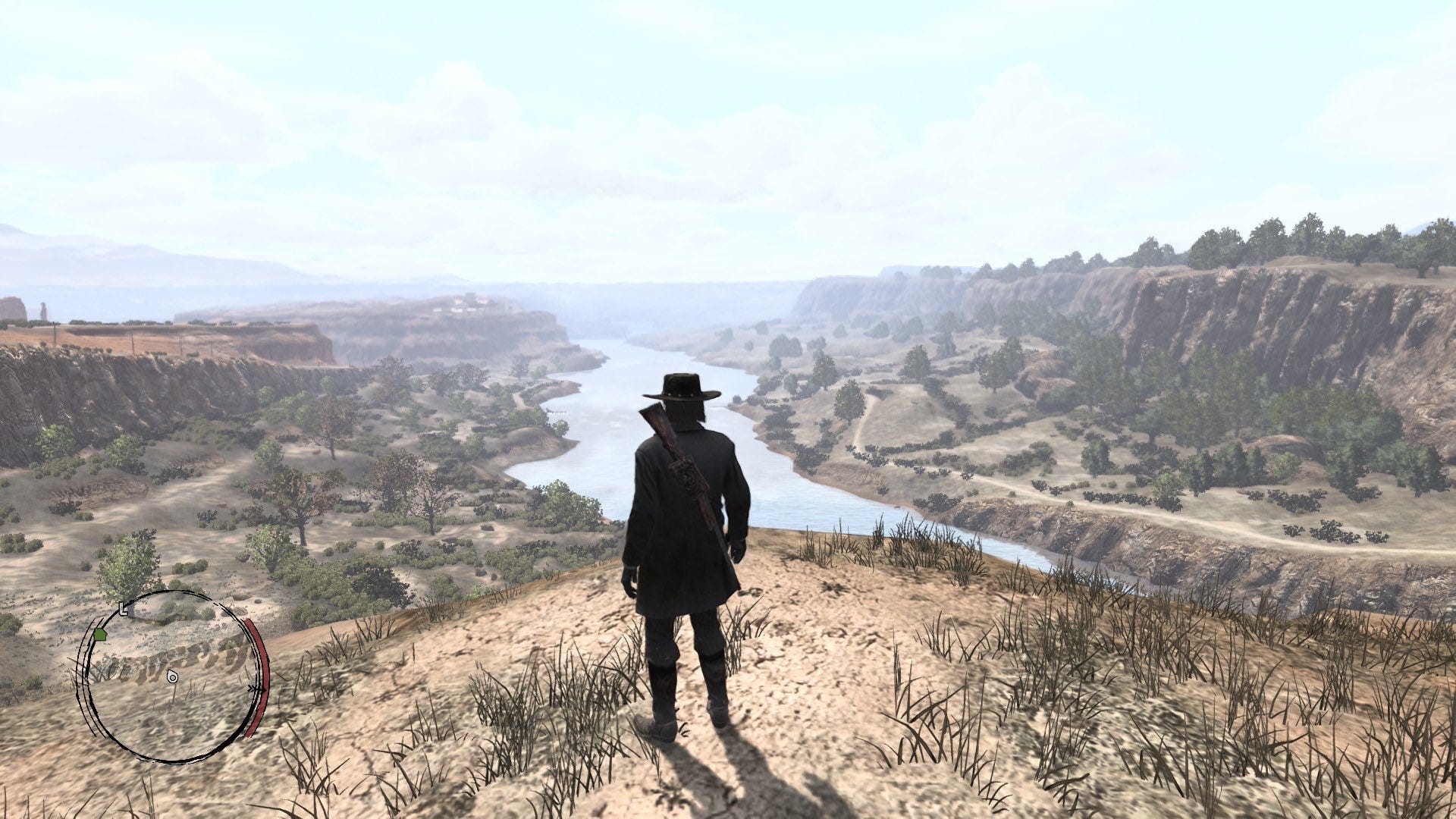
But why Red Dead Redemption specifically? I already had it for my older Switch OLED model when it hit the platform in 2023. I got about 60 percent through before putting it down to play other games. It was a perfectly serviceable port back then, but being able to experience it on upgraded hardware was enough motivation for me to get back in. Truth be told though, my original Switch is still getting considerable mileage. I dedicated most of last summer and fall to finally beating Super Mario Sunshine to 100% completion on that stupidly out-of-print Super Mario 3D-Stars collection. With the Switch 2 having returned to an LCD screen, many games still look more visually stunning on Nintendo’s older system with its vibrant OLED panel.
Red Dead Redemption on the Switch 2, however, offers noticeable technical improvements so I was willing to deal with the trade-offs. In the absence of many exclusive Switch 2 games, my choice of which platform to play really comes down to if there are any real upgrades with older Switch titles. If it’s something with retro pixel art or a lot of dark colors, then the previous Switch is still a no-brainer for me because OLED panels are more capable of displaying true blacks. There’s also the whole controversy around Nintendo’s frustrating approach to physical media, but put a pin in that because I’ll get to that whole can of worms later.
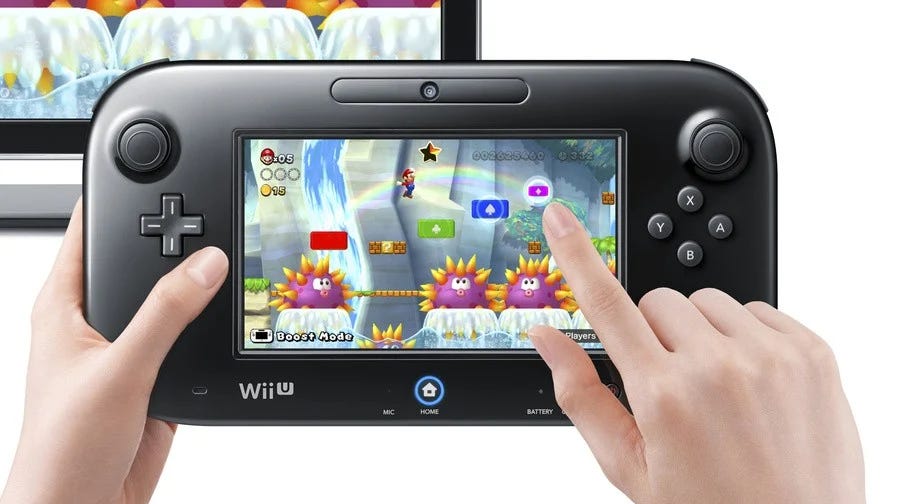
My greater point here is that the Switch 2 currently doesn’t have many games it can truly call its own. I’m sure that will inevitably change as the system isn’t even a year old yet, but this is the first time I’m playing a new Nintendo console without that feeling of magic around launch. Similar to how the PlayStation 5 is memed to eternity for having “no games” due to its lack of true exclusives, Nintendo’s latest is more or less just an incremental upgrade of what came before. Of course, it’s in the name itself. Nintendo has long resisted the Sony route of simply adding a number, but not this time. No Super Switch, no brand new name, and thankfully no Switch U. It’s just the Nintendo Switch 2, exactly what it is says on the tin.
On the actual hardware, I don’t have much to say. It’s what you’d expect from a Switch successor. The device is sturdily built like any Nintendo handheld should be, the ergonomics are a bit better (though I always use rubber grips so my hands don’t cramp), and the screen is noticeably bigger. As I mentioned already, it’s also unfortunately an LCD panel instead of an OLED one. The display is capable of running at 120 frames per second and HDR, though to what degree games utilize these features will vary. Sadly, the battery life has taken a considerable cut due to the increased energy consumption. After just two hours with Red Dead Redemption, I had to reach for the charger.
The detachable Joy-Con controllers use an improved locking mechanism, but teardown reports show that they’re more difficult to repair. Joystick drift was a notorious problem with the previous Switch, so I expect to run into similar issues down the road. The video games industry stubbornly refuses to use the more reliable Hall Effect joysticks and Nintendo is no exception. On a more positive note, the new Joy-Cons introduce mouse controls. Slide them across a flat surface and you get an experience quite similar to being on a PC. This comes in handy for simulation games like Civilization VII and first-person action titles like Cyberpunk 2077, but whether or not such features will be used is once again all down to the devs. While it’s certainly a nice thing to have, I wouldn’t buy a Switch 2 purely on the expectation that you’ll always have a PC-like experience with your favorite games.
If the lifespan of the original Switch is any indication, we can expect the Switch 2 to also last for another eight years. I’m sure in the interim we’ll inevitably see a Switch 2 Lite (the current model is indeed a bit of a unit) and a souped up OLED Switch 2 which addresses everyone’s issues with the screen, but those are just minor mid-generation upgrades. The Switch 2 itself isn’t particularly innovative or showing us anything we haven’t seen before. By the time 2033 rolls around, what’s Nintendo going to do then? The Switch 3? Will my grandchildren one day be playing with the Nintendo Switch 10?
I know I’m being glib, but the very concept of the Switch 2 as Nintendo’s next big thing moving forward is more or less a sign that they’ve innovated themselves into a corner. To varying degrees of success, the Big N has always tried to be different from their competition. Whether that was introducing two screens with the Nintendo DS or blurring the line between home consoles and handhelds with the original Switch being a hybrid system, each hardware announcement was a surprise in some way. For better or worse, there are no surprises with the Switch 2.
Naturally, the ace up Nintendo’s sleeve has always been their IP. There will no doubt be a new Legend of Zelda, a new Super Mario, and a new Super Smash Brothers over the next few years. Hell has seemingly frozen over with Microsoft bringing Halo to PlayStation and Sony slowly trickling out their premiere titles to PC, but unless the planets align on a celestial equinox, you won’t be exploring Hyrule on another console anytime soon. That will be the biggest motivation for buying a Nintendo Switch 2 even if it’s a rather boring piece of kit compared to what the company has done in the past. Regarding third party titles, it may not be as powerful as a Steam Deck or handheld PC, but it is objectively more portable and can generally run most games around base PS4 performance.
Buying a Switch 2 is also thankfully not a Sisyphean task like the original Switch was during its first year on the market. Most places worldwide have it in stock, so scalpers can’t pay off their mortgages through hoarded consoles this time. Things in Japan, however, are a bit different. Due to how weak the yen is compared to other currencies, Nintendo faced a serious dilemma around what to charge their domestic consumers. The Switch 2 as of this writing costs $450 in the United States, but that would be over ¥68,000 in Japan when converted directly. Charging closer to ¥45,000 yen would make it easy for foreign scalpers to simply buy and resell all the Japanese systems.
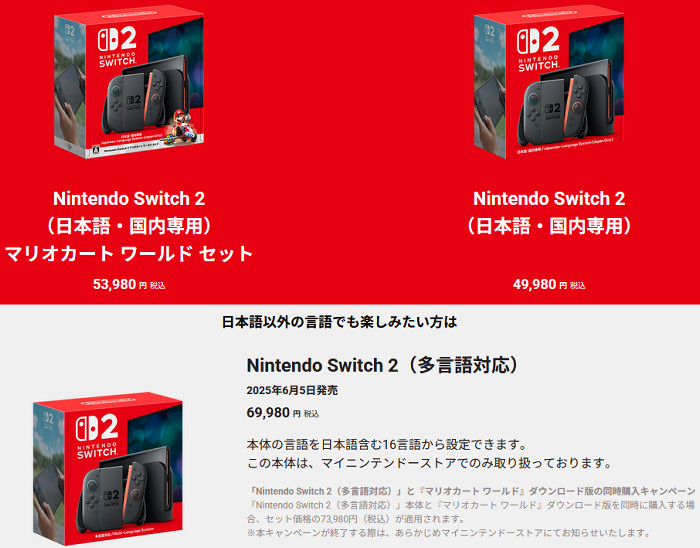
To address this problem, Nintendo released two versions of the Switch 2 in Japan. The model widely available to everyone here costs ¥49,980, but the catch is that it’s only compatible with the Japanese language and Japanese eShop accounts. The other model without these restrictions costs ¥69,980, but isn’t sold in general retail stores and can only be bought from Nintendo’s website if you fulfill certain qualifications such as over 50 hours of playtime connected to your account. As an American living in Japan with two eShop accounts, this put me in a bind. Do I go for the cheaper system and lose access to all the Switch games I’ve bought from my U.S. account over the years or bite the bullet and pay what is essentially a tax for foreign Nintendo gamers?
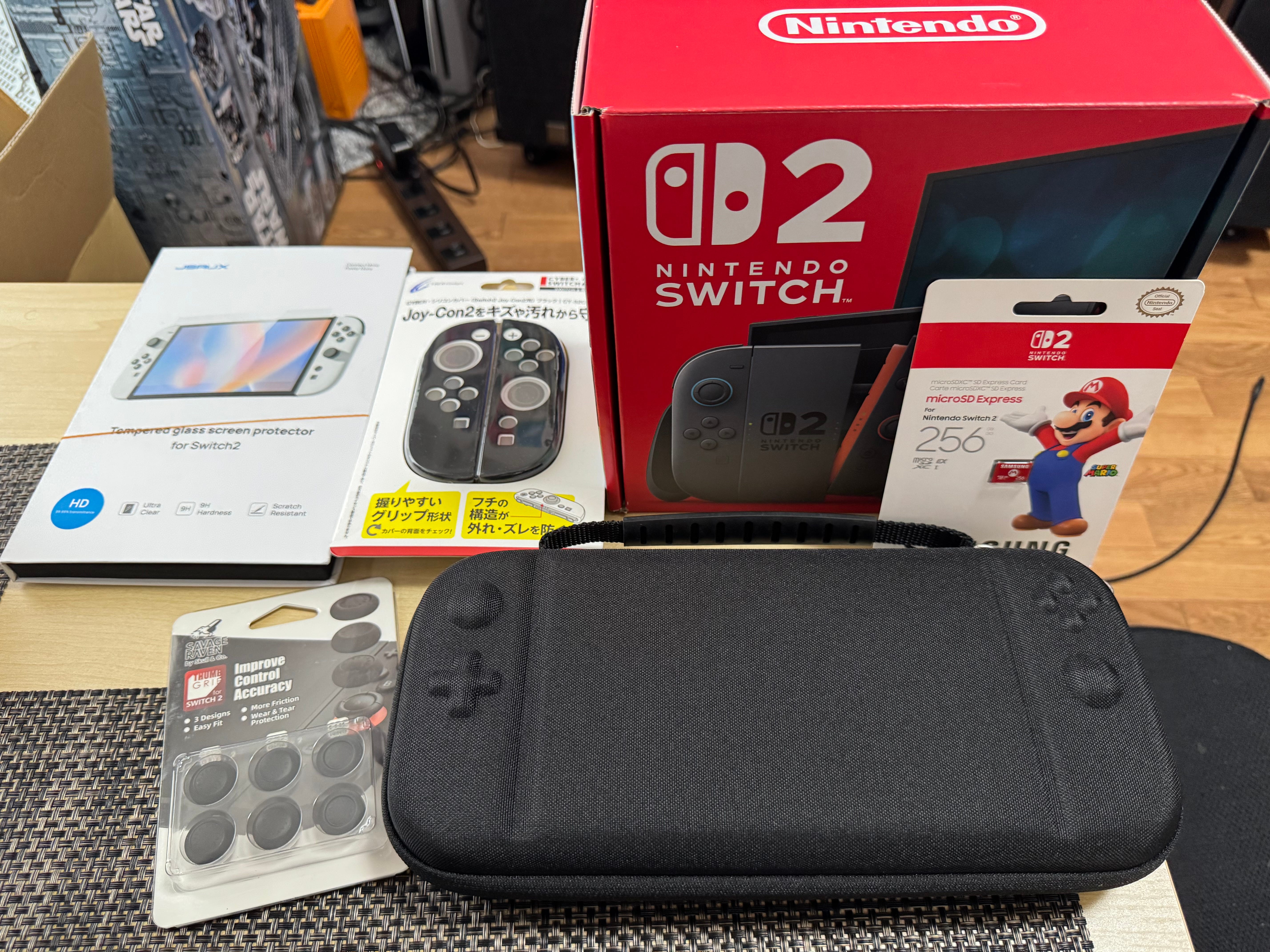
Luckily, I didn’t have to choose. A Foreign Perspectives subscriber who shall remain nameless, but goes by the handle Shadow of a Doubt on X, took the considerable time and money to ship me a Nintendo Switch 2 all the way from Canada. The process to get the package to Japan was long and convoluted, with it even being sent back by customs at one point due to containing lithium ion batteries. After a few weeks of back and forth, it arrived with a kind letter expressing appreciation for my writing. I repaid Mr. Doubt’s kindness by giving him a lifetime subscription to this Substack, which was the least I could do. This was undoubtedly the greatest gift from someone online I’ve ever received, so I thank him for his extreme generosity.
While digitally region locked consoles shouldn’t have to exist in this decade, it’s the result of economic factors outside of anyone’s control. Sony is currently producing a Japan-only PlayStation 5 model with the same mentality in mind. I was fortunate enough to have someone send me a region free Switch 2 from overseas, but I can’t begin to imagine the difficulties other foreigners in Japan will face if they want one. Not to mention that if Nintendo decides to do an upgraded OLED model eventually, or even the Switch 3, chances are high that I’ll find myself in a similar situation yet again if the weak yen doesn’t improve. Either way, I’m definitely not selling any of my old Nintendo consoles even with the promises of backward compatibility.
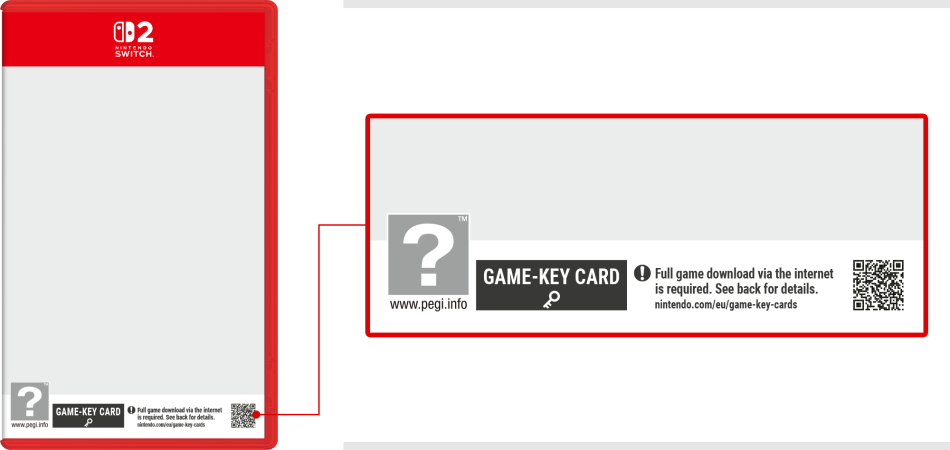
Less excusable is how Nintendo is approaching physical media with this generation. In contrast to the previous Switch, the vast majority of Switch 2 games are being released on “Game-Key Cards.” These are cartridges that contain no data, but instead interact with online servers to download the entire game to your system. You need the cartridge every time you want to play these games, acting as a “check” of sorts. This is problematic for two reasons: 1). You don’t actually own the game and 2). The huge size of most major titles means your Switch 2 will quickly run out of storage space. Only Nintendo’s first-party games and a handful of others have been released on actual cartridges, but this may change this year if recent industry rumors are to be believed.
This once again brings me back to my main complaint of the Switch 2 currently having few games worth playing. If the majority of these titles can be found on PS5 or PC for far cheaper and you can exercise greater ownership control over them, why would I want to pay the Nintendo Switch 2 tax? Portability is perhaps the one legitimate reason, but the trade-offs don’t compel me to shill out more money for games that are already in my library or can be found heavily discounted elsewhere. With subscriptions galore and the “you’ll own nothing and be happy” mentality becoming increasingly widespread in the tech industry, Game-Key Cards are complete anathema to my belief in media preservation. It’s currently very easy to curate what I play on this system when there is a paucity of games you can own for real.
Let me be clear, the Nintendo Switch 2 is not a bad console. It’s the natural evolution of what Nintendo started in 2017 and will probably come out as a more worthwhile platform than whatever Sony and Microsoft do over the next decade. With AI having shot RAM prices through the roof, you won’t be seeing the PlayStation 6 or the next Xbox for quite some time. I was able to snag a pretty decent mid-level gaming laptop before all this happened, but my return to playing games on PC is a topic for another day. That leaves Nintendo as having the newest and cheapest console compared to the competition. If for some reason you never got on the Switch train until now, you also have thousands of backwards compatible games. Not a bad prospect for Nintendo neophytes, all things considered.
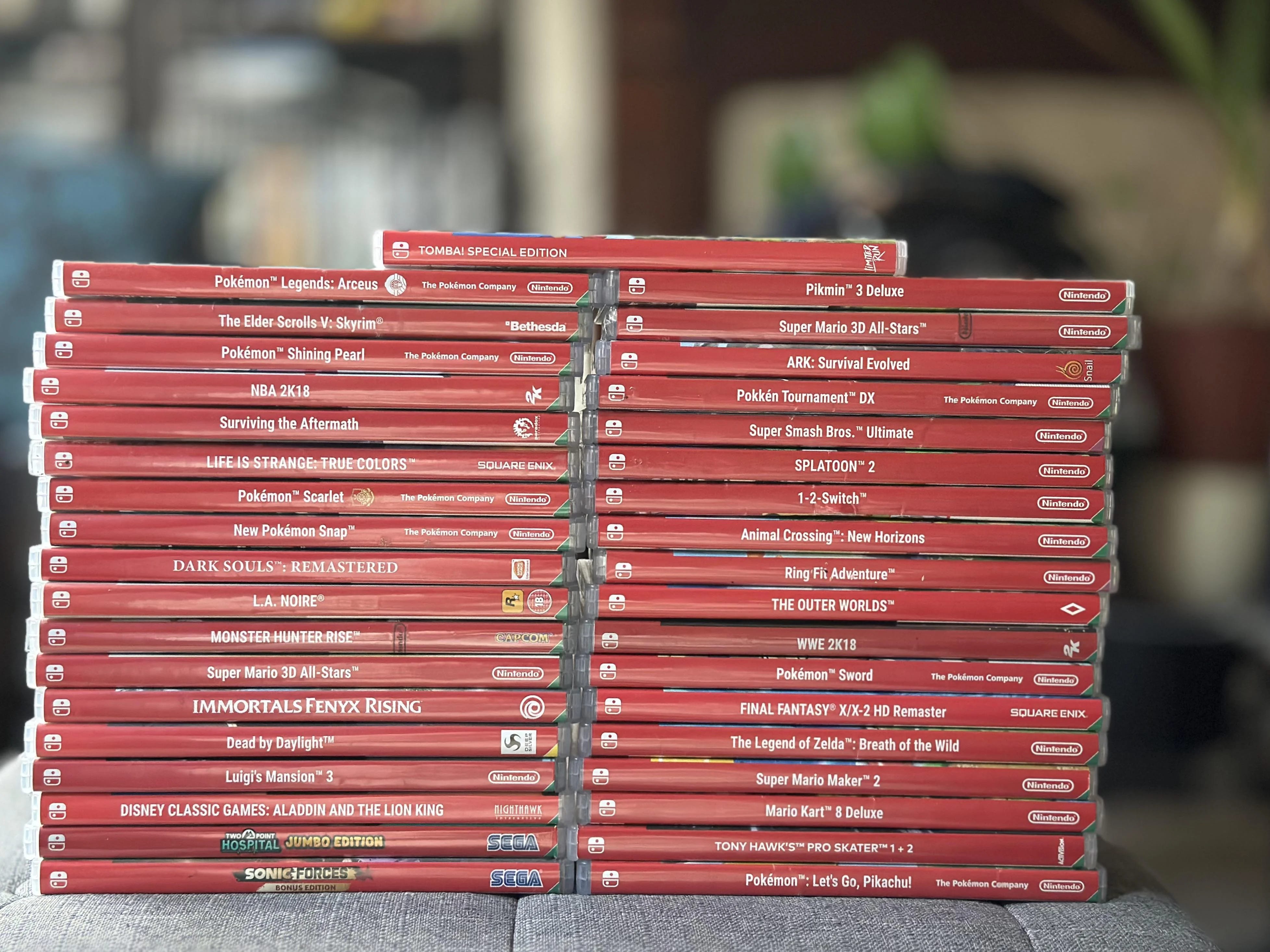
Still, you really don’t need a Switch 2 now if money is tight and you have a backlog of existing games for consoles you already own. Playing Red Dead Redemption on the go at 60 FPS or Super Mario Galaxy docked in 4K resolution is cool, but these are gaming luxuries and not at all necessary to have a good time. The stuff that’s available on the system isn’t much of a justification for a purchase unless you’re either a dedicated Big N acolyte or potentially concerned about future price hikes due to AI and tariffs. I’m confident that Nintendo will eventually deliver the goods with more interesting games from their well of IP. Until that happens though, your old Switch should be sufficient for at least another year or two.
Games or no games, my biggest takeaway from the Switch 2 as it currently stands is that we’ve potentially reached an inevitable plateau for video game innovation. Apart from graphical updates like ray tracing and smoother frame rates, there isn’t much anyone can really do to knock our socks off anymore. Not even Nintendo, it seems. The company under its more conservative leadership with President Shuntaro Furukawa is sticking to what saved them from the failure of the Wii U days and no one can really blame them. With the original Switch having sold over 155 million units, there’s little incentive to fix what isn’t broken. If you’re Nintendo, you can afford to rest on your laurels.
Foreign Perspectives is a reader-supported Substack. If you like my work and have come this far, consider opting for a paid subscription so I can continue writing in-depth articles such as these on a regular basis. Your support is greatly appreciated!
I like the Switch 2. I also understand that the first year of every console’s life has a lack of games. I’m looking to the future games bound for the system that haven’t been announced yet. Until then, Xenoblade Chronicles X does me just fine