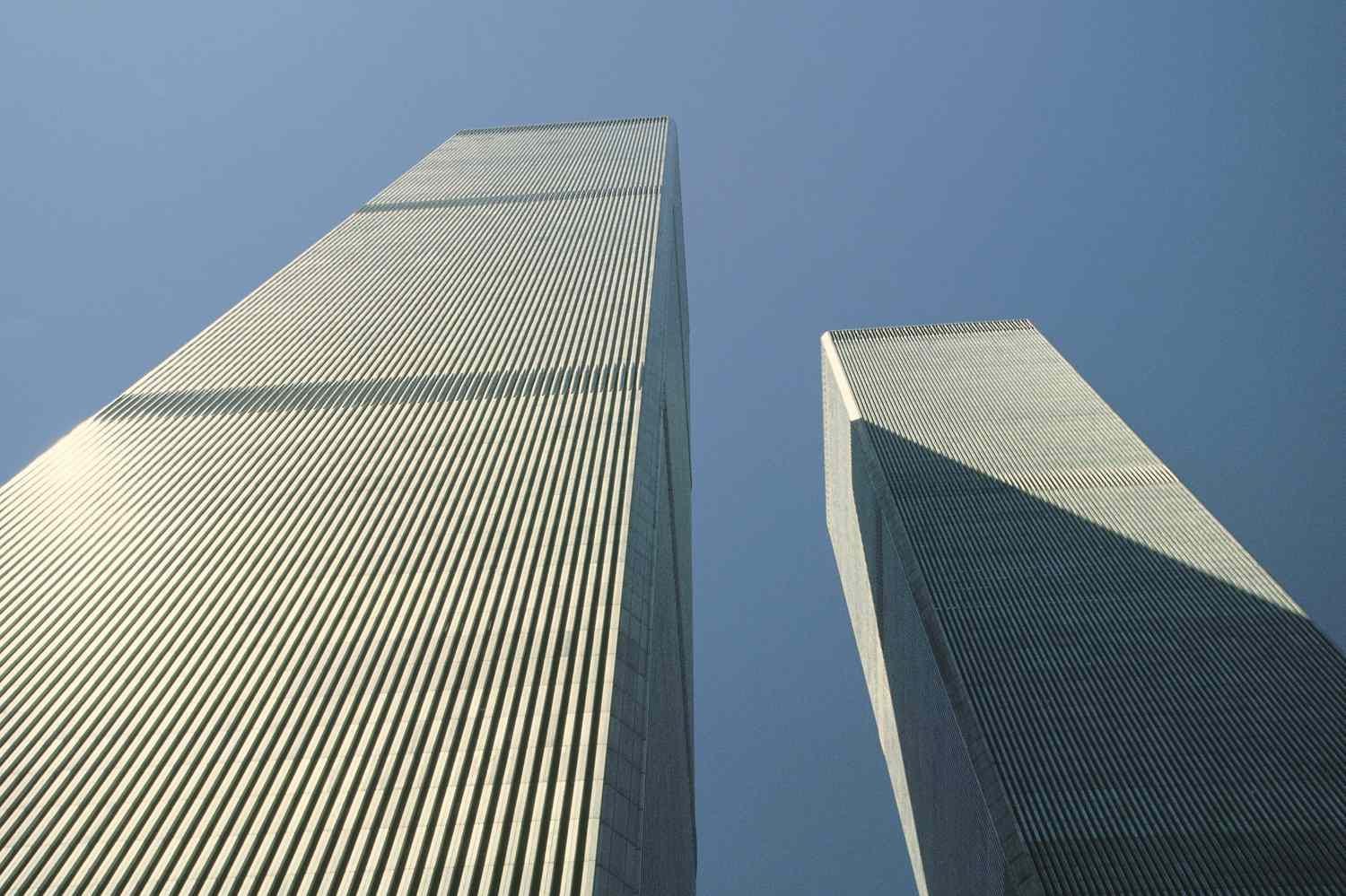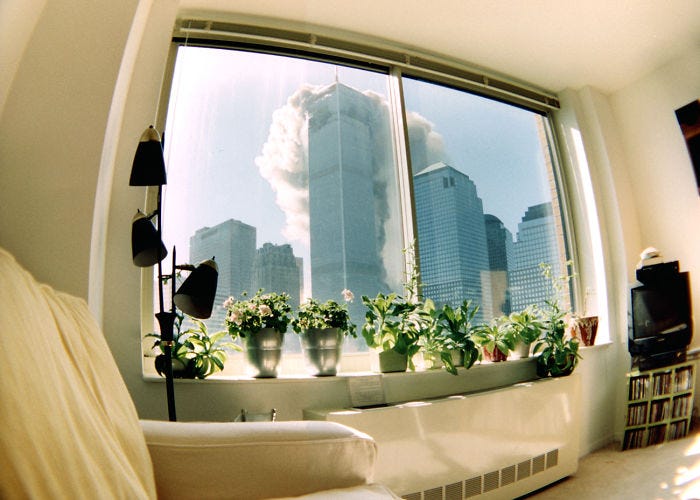
Note: This article does not contain any images or video featuring explicit gore, but it does link to external sites containing such content for the purposes of historical documentation. While not easy to see, I don’t think what happened on 9/11 should be sanitized or white-washed.
Arguably no event has affected American life in the 21st century more than the September 11, 2001 terrorist attacks. The hijacking of four commercial planes by al-Qaeda and subsequent deaths of nearly 3,000 people rocked the United States to its very core, destroying in one day the post-Cold War confidence Americans had as the world’s top superpower.
Observers still intensely debate the legacy of President George W. Bush’s War on Terror and decisions made by subsequent administrations, but few would disagree that 9/11 has continued to leave a lasting impact on the world as a whole. And yet there is now an entire generation which has zero memory of 9/11, as well as decreasing understanding of how much it changed the fabric of American society.
In response to the “Barbenheimer” phenomena this summer, Japanese Twitter users attempted to mock 9/11, only for the attempt to completely backfire as late-gen millennial and zoomer Americans have long grown up on such memes. For these people, 9/11 may as well be little more than a meme itself as they are too far removed from the actual events.
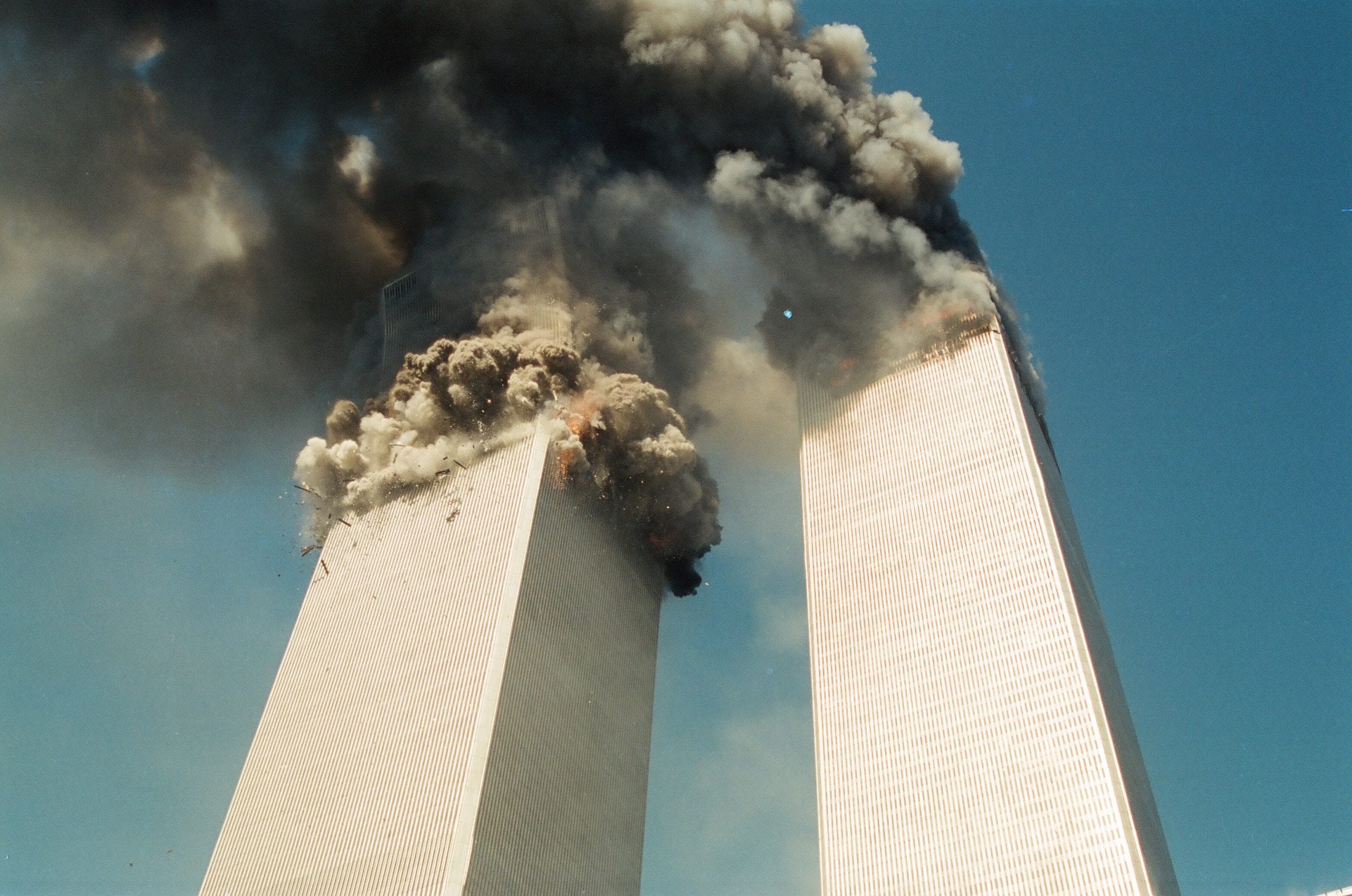
Despite this, new discoveries and relevant stories related to 9/11 are happening on a regular basis. Remains from the World Trade Center are still being identified. The alleged true mastermind behind the attacks, Khalid Shaikh Mohammed, is not only alive, he’s still awaiting trial by U.S. authorities. Some believe there could have been a potential fifth plane that was meant to be hijacked, and a video that shows a new angle of the South Tower being hit only resurfaced in 2022.
While all of this is underway, there is an ongoing lost media search for an alleged shock video entitled “LOL SUPERMAN” which may contain graphic footage of victims falling from the World Trade Center and impacting on the pavement below in gruesome fashion. It and other pieces of 9/11 lost media raise ethical questions around what should be made available to the public.
An Impossible Choice
The collision of American Airlines Flight 11 into the North Tower (1 WTC) at 8:46 a.m. left more than 800 people trapped on the 92nd to 110th floors. All those aboard were killed instantly and the heat of the jet fuel resulted in a surge of fires which spread throughout the building. The horrific scene is illustrated in the photograph Impending Death, which shows scores of office workers crowded near open windows unable to escape the intense heat and suffocating smoke.
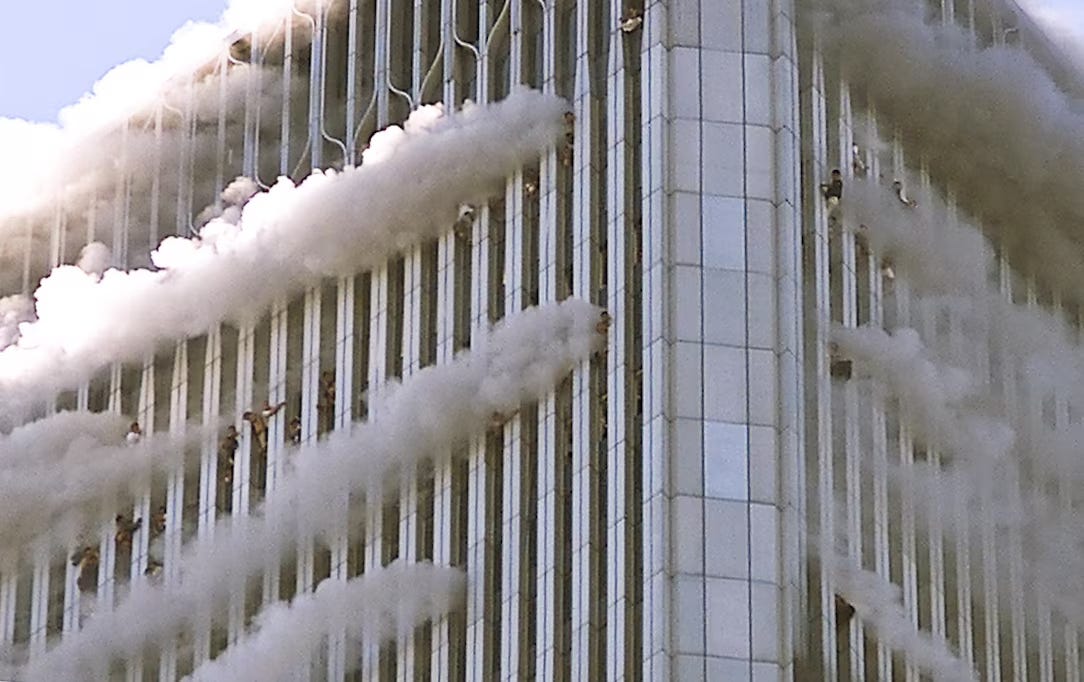
What followed was a chilling succession of over 200 people falling, some accidentally pushed, but most having willing chosen to jump to an instant death rather than be burned alive. The unforgettable sounds of bodies hitting the roofs of lower buildings can be heard in the Naudet brothers’ 2002 documentary of the day’s events. It was a decision no human being should ever have to make, and later victim counts would classify the deaths as homicides rather than suicides in reflection of the impossible circumstances. While some jumpers have been identified, others such as the anonymous “Falling Man” remain unknown and represent how 9/11 was a tragedy for all Americans.
In contrast to the North Tower, the South Tower (2 WTC) only saw a total of three jumpers due to the impact angle of United Airlines Flight 175 at 9:03 a.m. leaving one stairway intact. This allowed for the seemingly miraculous survival of Canadian businessman Brian Clark and Guyana-born executive Stanley Praimnath, who were both present at or near the site of the plane’s entry point. But coincidences that saved lives happened just as often as those that ended them.
Among the three victims from the South Tower who jumped, one directly hit firefighter Danny Suhr on the street below, killing both instantly. He was the first FDNY casualty of 9/11, with a fellow colleague testifying that Suhr was found “in a circle about eight feet in diameter” and that “everything that used to be inside of him was now outside of him.” A paramedic who witnessed other jumpers stated that “a lot of bodies, bodies came out of the sky . . . We were hit with debris, which turned out to be human remains.”
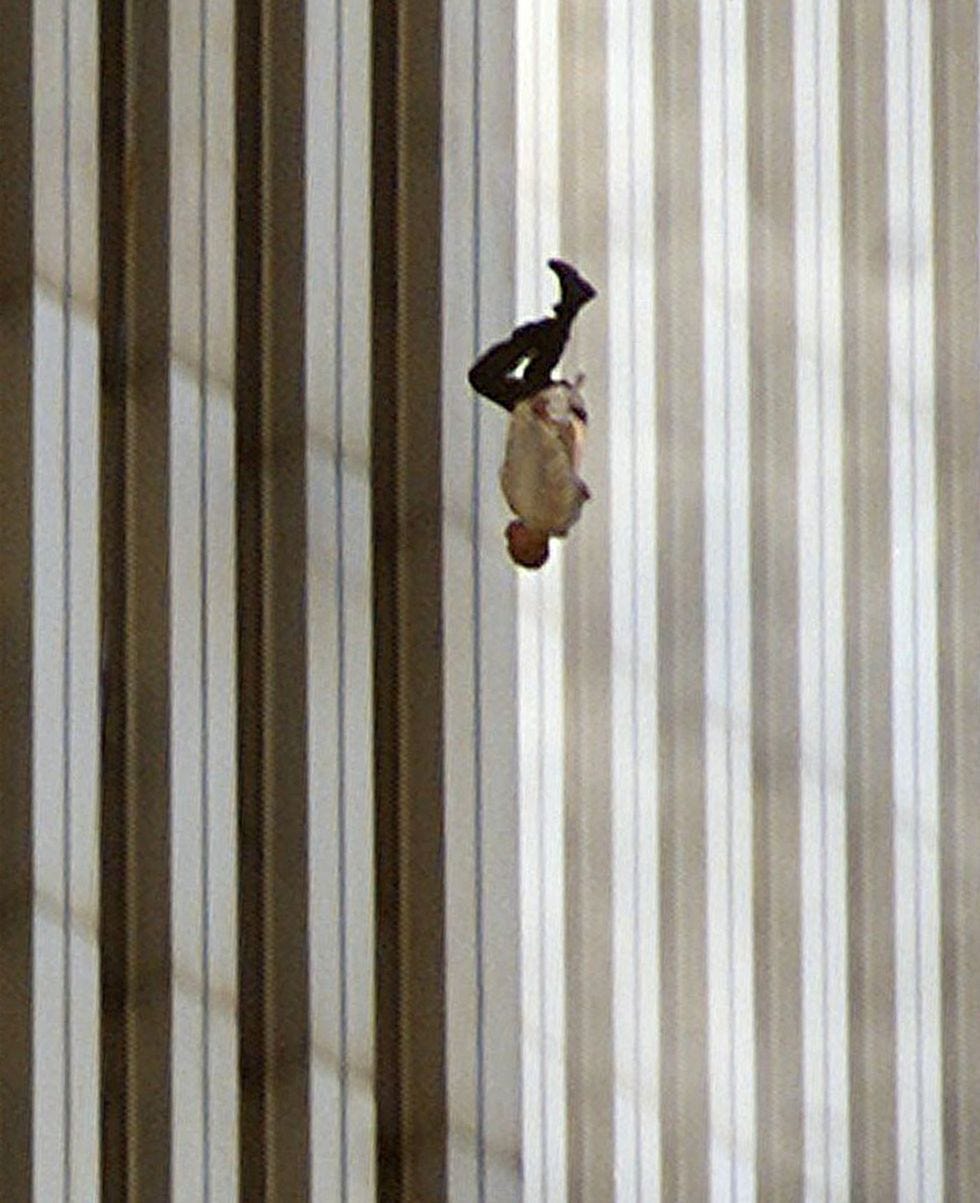
Incredibly, one 9/11 jumper may have even temporarily survived her fall. Emergency medical specialist Ernest Armstead claims that while putting black tags on bodies that were dead or close to it, he came across one woman who was lucid the entire time and adamant that she was still alive despite being in an extremely mangled state. “Somehow, I guess it was an air draft or something, her fall had been cushioned enough so that she didn't splatter like the others,” Armstead said. “Her right lung, shoulder and head were intact, but from the diaphragm down she was unrecognizable.”
Such descriptions pique the minds of the morbidly curious, but while plenty of oral testimony exists from firemen, policemen, and medical professionals who saw hundreds of bodies firsthand, there is actually very little video footage of 9/11 jumpers hitting the ground.
What 9/11 Jumper Footage Exists
One needs to remember that 2001 was an entirely different landscape for personal video compared to the world we live in now. This was six years before the release of the iPhone, and cellphones in general were not widespread at the time. Those who captured footage of the day’s events did so via traditional camcorders and portable video cameras to varying degrees of quality.
Easily among the clearest and most fascinating footage of 9/11 comes from the aforementioned Naudet brothers. Originally intending to capture a day in the life of an ordinary NYC fireman, they by pure chance captured the only clear angle of the first plane hitting the North Tower. The culmination of their efforts was a documentary released the following year simply titled “9/11.” As men who were present in real time for virtually everything that happened, they risked their lives for the sake of recording history. I consider it to be one of the most important films ever made and among the finest examples of video journalism.
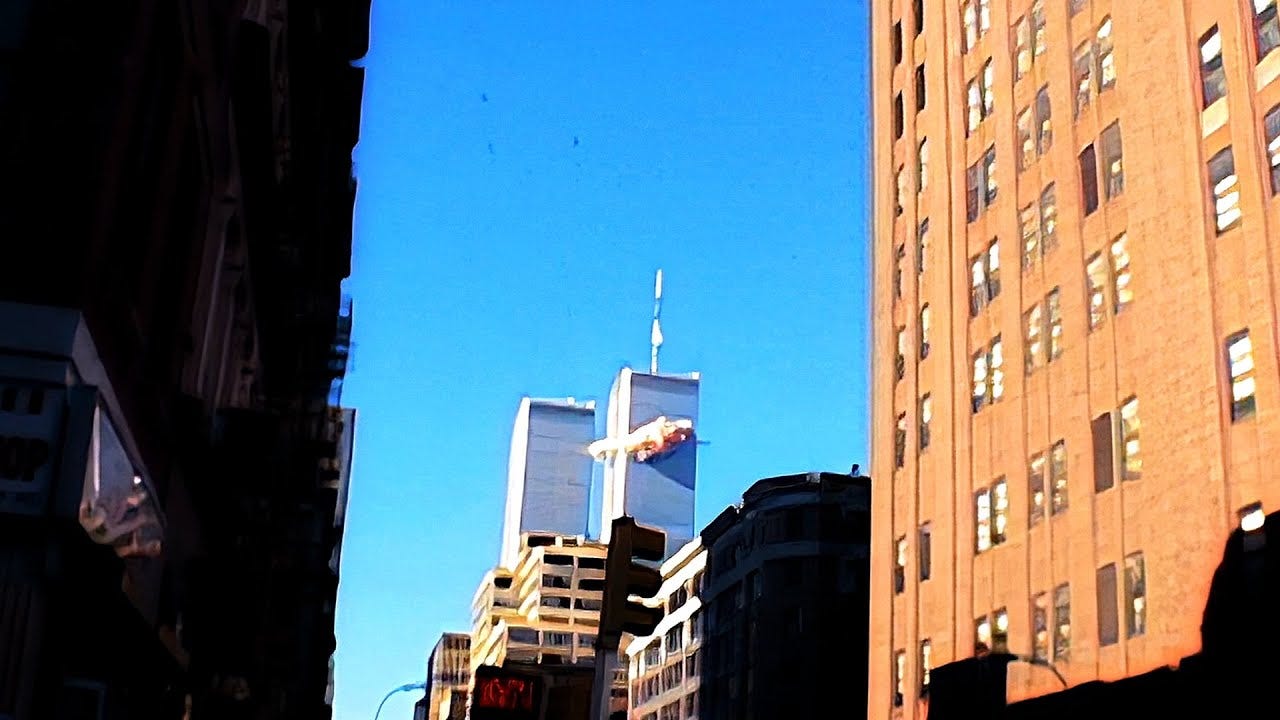
The Naudet brothers, however, appeared to have refrained from capturing the more gory details of 9/11 victims. Upon entering the North Tower, Jules Naudet mentions seeing people on fire due to the downstream of jet fuel, but deliberately chose not to film them, describing it as “something no one should see.” Similarly, while there is plenty of disturbing footage of people jumping, respecting the dignity of the victims was the mentality of most people with cameras.
More graphic is the footage Guy Rosbrook and his wife shot across the street while staying at the neighboring Millennium Hilton Hotel. The distressed couple captures the rapidly decaying state of the burning North Tower, while several people can be seen either jumping or falling from the 92nd and 93rd floors. After a cut, we later see the gruesome aftermath of splattered corpses in the adjacent Austin J. Tobin Plaza.
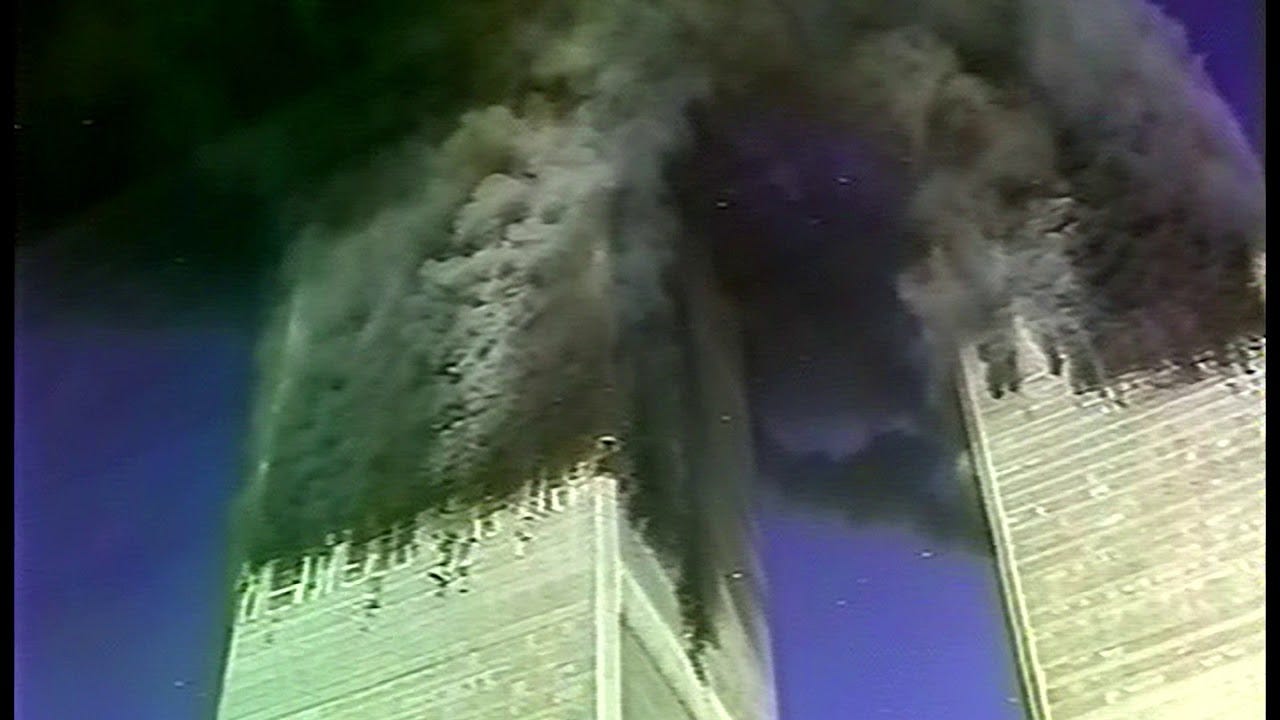
Rosbrook appears to have either shut his camera off or intentionally removed footage of the jumpers actually impacting below except for one victim hitting the stage. While hard to make out due to the relatively low resolution of the video, the victim is supposedly decapitated or dismembered due to the sheer force of the impact. Higher quality photos appear to confirm this, as the jumpers used the stage in a vain attempt to soften their landings.
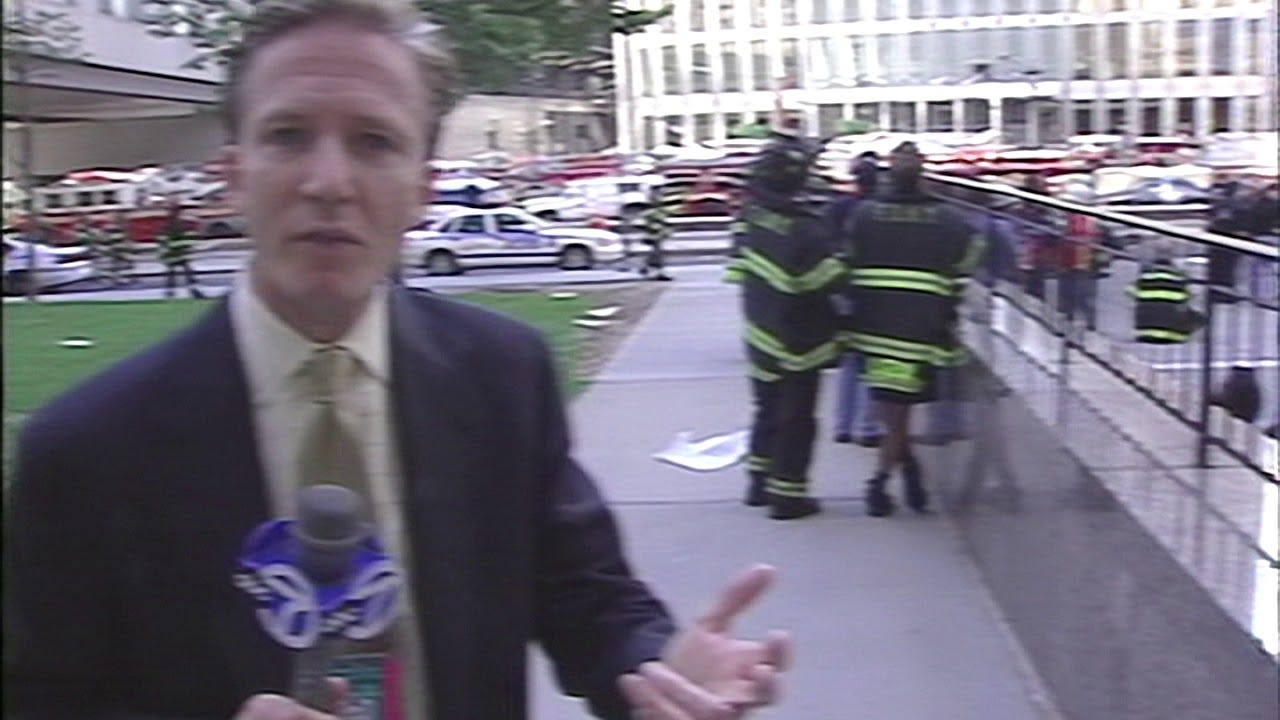
Beyond that, the only other piece of jumper footage known to exist comes from when WABC-TV journalist N. J. Burkett was filming around the South Tower before its collapse. Known infamously as the “red mist” video, a jumper supposedly falls and hits a lamp post or other pole on the street below, literally disintegrating in an instant with the impact audible. Some debate whether this was actually a person or merely a piece of debris, but other video angles captured strongly suggest it was indeed a jumper.
Given the amount of people who were forced to jump and all those present near the World Trade Center on 9/11, the question naturally arises as to why there is so little graphic footage other than these two examples.
The first explanation is that there is indeed more footage, but that the FBI is currently keeping it as evidence for the trial of five men accused of being involved in the 9/11 terrorist attacks, including mastermind Khalid Shaikh Mohammed. There was certainly considerable security camera footage around the World Trade Center, much of which the public has yet to see. This also holds true with al-Qaeda’s attack on the Pentagon, which famously only has one clear video of American Airlines Flight 77’s impact and a handful of lower quality ones.
The second explanation is the high probability of amateur videographers capturing footage which remains in private possession or potentially even lost forever. 9/11 was a traumatic event for everyone involved and it would not come as a surprise if someone with previously-unseen jumper footage chose to keep it offline out of respect for the victims. This was also long before video streaming websites like YouTube became widespread, which means that plenty of old video files are likely gone due to poor preservation and corrupted hard drives.
“LOL SUPERMAN” and Other (Supposed) 9/11 Shock Videos
And yet the search continues. On the 9/11 archive subreddit, the phrase “LOL Superman” frequently appears as a topic of discussion among morbidly curious lost media hunters.
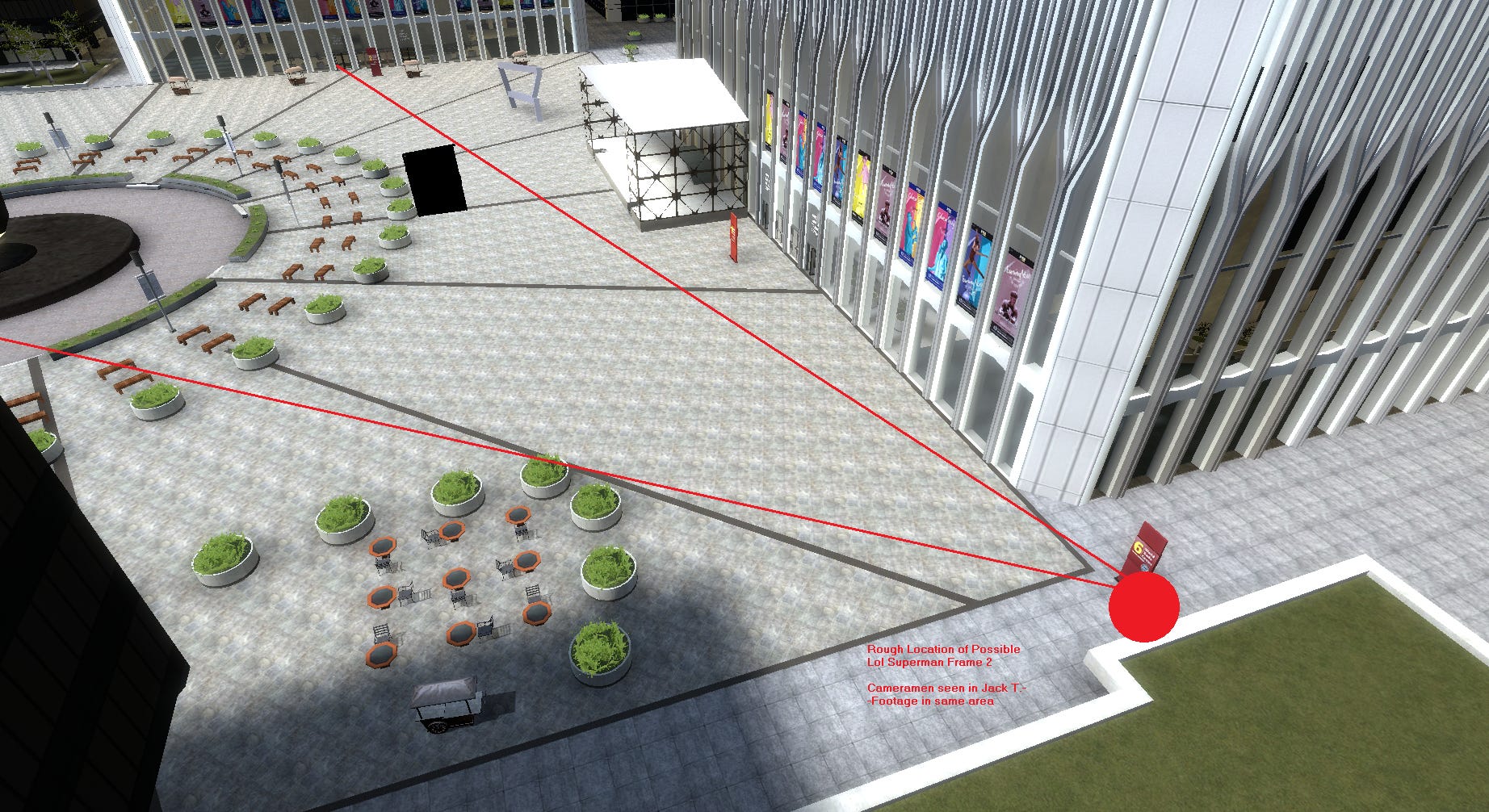
The video allegedly took place sometime between the impact of the first plane on the North Tower and the collapse of the South Tower and features two cameramen walking up stairs toward the Austin J. Tobin Plaza. They then capture on footage at least one body from the North Tower landing in front of them, while more bodies supposedly can be seen falling to the side. There are other corpses of already-dead victims strewn about the area and the video itself only lasts for a couple of minutes before those behind the camera leave the plaza.
Those who claim to have seen the video assert that “LOL Superman” was uploaded to YouTube around 2006 when such graphic content with edgy titles was more permissible, while shock sites such as the defunct Ogrish also hosted it. Eyewitness testimony from 4chan and Reddit is where the majority of these details come from, but there are conflicting reports on what the video actually contains or if it even existed in the first place. Two people seen the background of this WABC-TV footage are alleged to have been those responsible for filming “LOL Superman,” but they have never come forward or been identified.
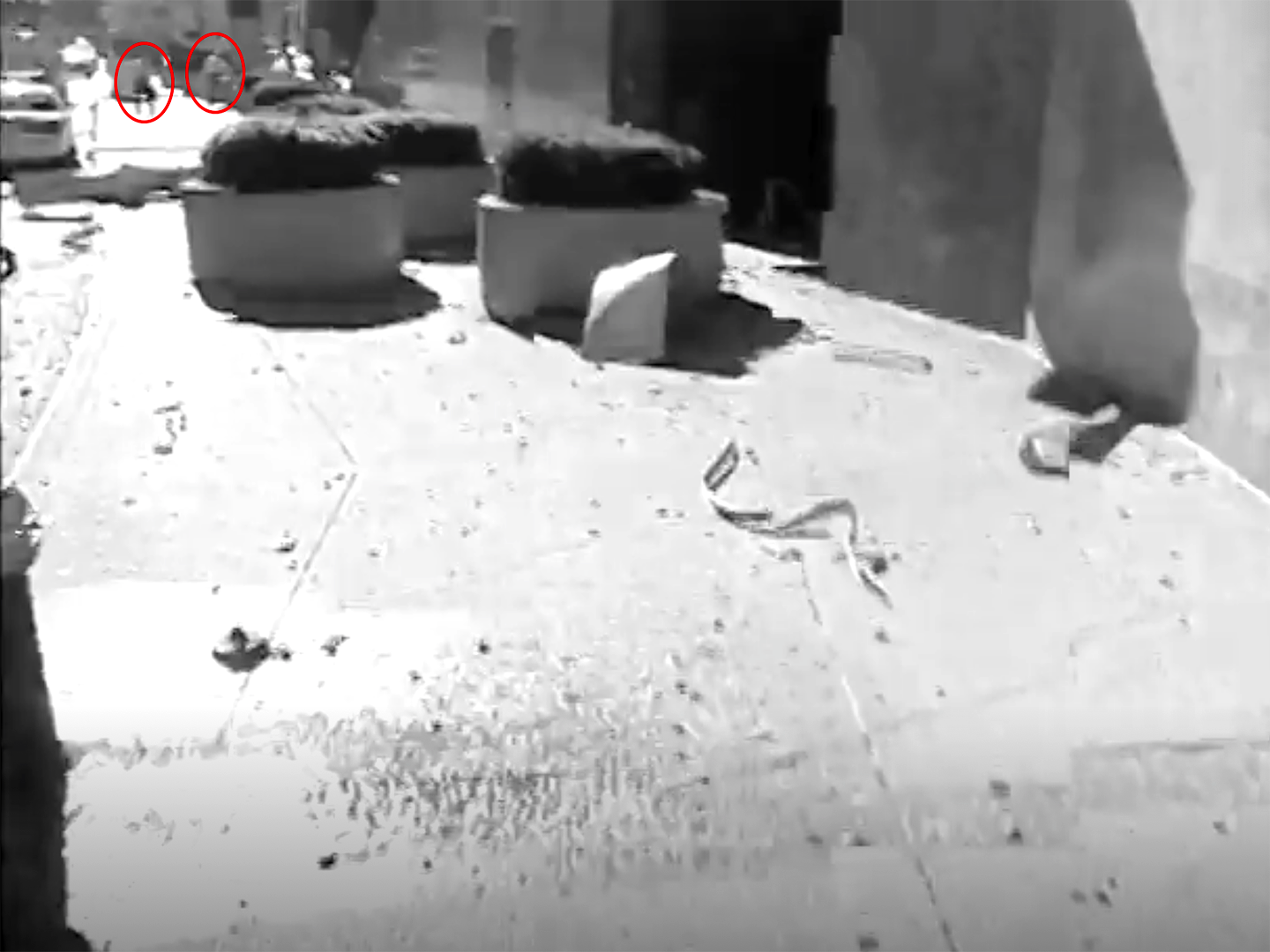
Some claim that “LOL Superman” depicts jumpers landing on cars, but this would not have been possible as there were no vehicles in the plaza at the time. Additionally, Guy Rosbrook’s footage does not contain anyone walking around the plaza, though this does not necessarily disprove the existence of “LOL Superman” as it is not entirely clear what angle the alleged video was shot from. Others, however, believe it to be unlikely that two civilians would have been able to get into the plaza at all due to the surrounding police and firemen.
In addition to “LOL Superman,” other rumored shock videos from the mid-2000s such as “Falling Angels” and “Skylight.mov” also featured graphic jumper footage. “Falling Angels” may be “LOL Superman” or it could be another video entirely, while “Skylight.mov” is supposedly jumpers hitting the WTC carport on West Street. We know even less about these, and any surviving details comes purely through eyewitness testimony. But is any of it actually real?
A Creation of the Mandela Effect?
In the mid-2000s, a considerable online audience existed for graphic content that showed people dying in horrific fashion. Whether out of morbid curiosity or due to the more edgy nature of the internet back then, it was practically the Wild West for shock videos. Many of those responsible for gore compilation sites like Rotten.com had grown up on mondo shockumentary fare like Faces of Death and the even more explicit Traces of Death, so this era was the natural evolution.
Those who claim to have seen videos like “LOL Superman” or “Skylight.mov” often remember things that would not have been consistent with the conditions of the collapsing World Trade Center on September 11, 2001 such as the previously-mentioned bodies landing on cars. An easy way to explain these discrepancies is through the Mandela Effect.

This phenomena describes an event that a large number of people recall seeing, but in actuality did not happen. The name comes from the belief held by many that South African President Nelson Mandela had died in the 1980s when he really did not pass away until 2013 at the advanced age of 95. A more famous example is with the Berenstain Bears book series, which everyone seems to remember as having been spelled as “Berenstein” and not “Berenstain.” I’m personally more creeped out at that the fact that Mr. Rogers always said “It’s a beautiful day in THIS neighborhood” and not “It’s a beautiful day in the neighborhood.”
With such minor details being misremembered by so many, it is not a stretch to believe that the same has happened with media around 9/11. By the time YouTube had become more widespread in 2006, there were already tons of shock videos floating around the internet of people jumping from burning buildings and landing on the ground. Much of these had nothing to do with 9/11, but were instead inserted into clip compilations not unlike the tricks used in Faces of Death to make the material more theatrical.
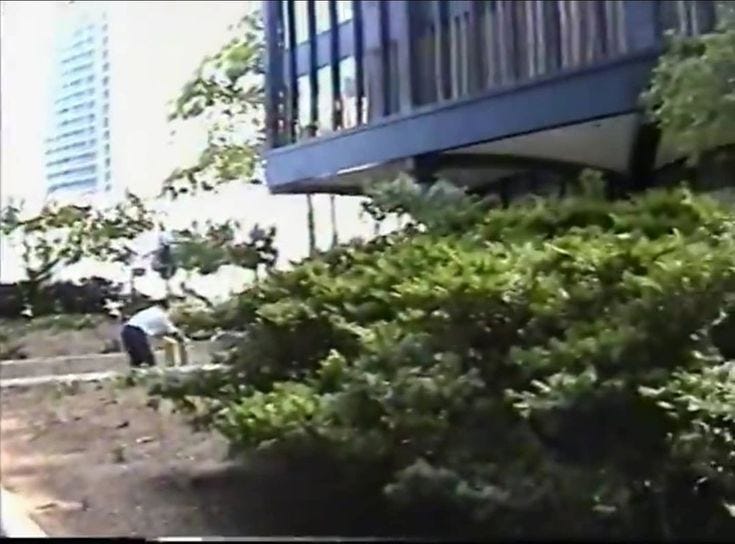
We see how easily memories can be distorted with an image that advocates of the existence of “LOL Superman” previously used. It features a man near the World Trade Center plaza and was argued to have been either the video’s thumbnail or a screenshot from the footage itself. The problem? It was actually from a Chinese tourist’s video taken months before the 9/11 attacks took place, debunking its connection.
My hypothesis is that “LOL Superman” itself does not exist and is instead the result of many people misremembering unrelated shock content. Previously unseen videos of 9/11 jumpers likely do exist, but whether or not they will ever see the light of day is another question. Lost media hunters have submitted FOIA requests to the FBI for the release of new footage, but the U.S. government’s replies suggest that any such unreleased material is being used in ongoing legal cases against the surviving terrorists. Similar requests to the 9/11 museum have proven just as fruitless.
An Ethical Dilemma
But let’s say that “LOL Superman” or something like it does exist. Is it in the public’s interest for such graphic videos to be released for all to see?
If a relative of yours happened to be one of the over 200 people who made the impossible choice to jump out of the towers on 9/11, chances are you would not want your last image of them to be splattered remains. Nor would you want the footage to be used inappropriately by online edgelords to fulfill a gorehound fetish.
Yet from an educational standpoint, one could also argue that young people need to be made aware of just how impactful 9/11 was both for the U.S. and the world as a whole. Educators are working hard to teach the event to new generations of students with no memory of the tragedy, and yet 9/11 is becoming more like Pearl Harbor and the Kennedy assassination with each passing year — a faded part of history.
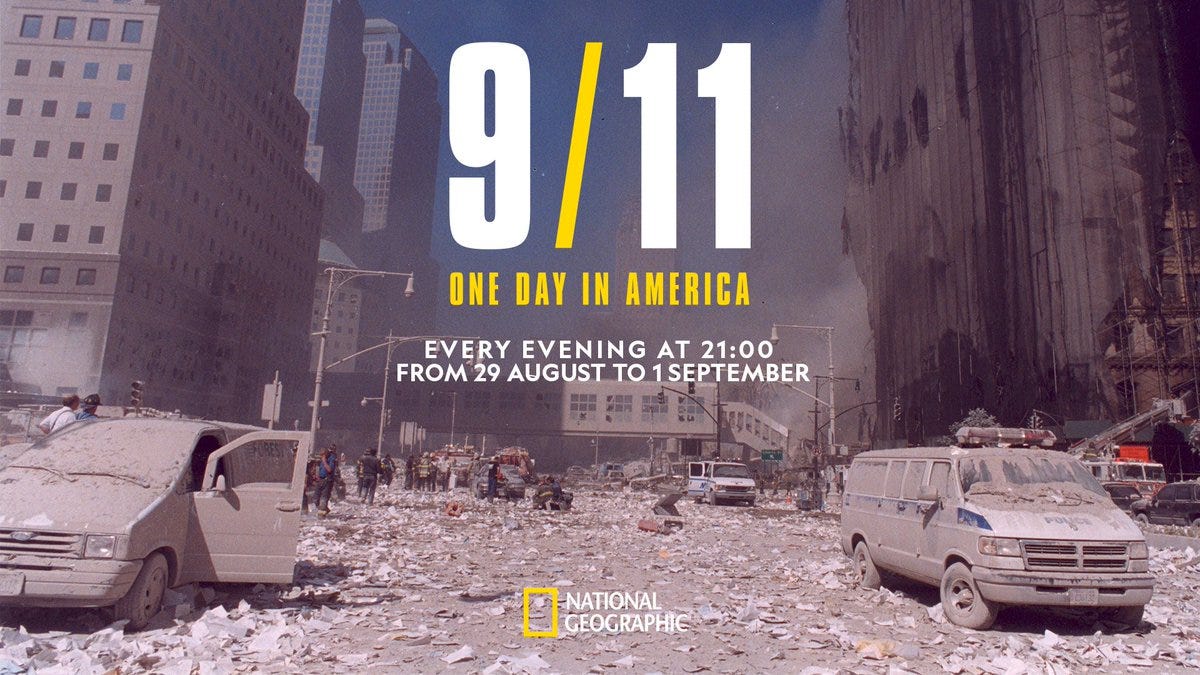
Does this mean that a graphic video like “LOL Superman” should be shown in the classroom? Certainly not. But one could argue that such content being made available to view either online or as another part of the 9/11 museum would be a visceral reminder of what happened. For the 20th anniversary, National Geographic assembled what is likely the definitive documentary on the subject, 9/11: One Day in America. It contained more explicit footage rarely seen in other 9/11 films, including the “red mist” jumper video. The result was something that managed to still be tasteful without sanitizing or white-washing.
If 9/11 happened today in the age of social media and livestreaming, one could only imagine how much more graphic content there would be. Those surrounding the World Trade Center would likely have not shied away from capturing high definition videos of victims hitting the ground via smartphones, and the footage would be available online in seconds. Furthermore, those inside the towers would be able to stream the worsening situation around them, up to and even including their own deaths.
And yet because 9/11 took place long before the advent of these technologies, much of it can only be left up to the imagination. Jules Naudet being at the right place at the right time means that footage from the lobby of the North Tower exists, but there are no available videos or photos of anything above the plane’s impact site owing to everyone having been trapped with no exit. Some believe that this man on the upper floors seen here was filming with a camcorder moments before his inevitable death, but the resolution is too blurry to make out. If there was anything recorded, it perished with him.
One man is known to have taken photos with a disposable camera before he jumped from the North Tower. The camera was discovered intact by police and the photos were later developed, but to this day they remain in government possession sealed away from the public. These are likely the only images of their kind taken on 9/11, but once again, we reach a dead end with a crucial document of history that may never be seen.
Less-studied aspects such as the destruction of hundreds of works of art in the towers or what plaza music played throughout the morning make 9/11 a tragedy on par with the sinking of the Titanic in terms of how many areas it covers. Whether or not a video like “LOL Superman” actually exists remains up for debate, but it is merely one piece of lost media that people are trying to find. Despite having happened over 20 years ago, 9/11 continues to fascinate us with its plethora of rabbit holes and threads.
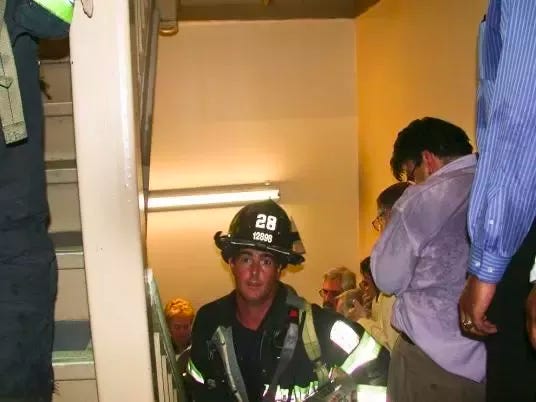
I was only three years old when 9/11 happened. While I have no memory of the event itself, the wars in Iraq and Afghanistan took up the entirety of my childhood and early years of adulthood. I distinctly remember growing up in Bush’s America and fully understood the importance of Osama bin Laden’s assassination during the Obama administration. I consider the withdrawal of U.S. forces from Afghanistan to symbolize the culmination of some of our worst foreign policy decisions in the region, turning what should have been a short operation to remove al-Qaeda groups into a failed 20-year experiment of half-hearted empire-building.
Throughout the months of research I spent on this piece, I was reminded of Jules Naudet’s reluctance to film the last moments of 9/11 victims in viewing appalling imagery that most probably should never have to see. But beyond the blood and guts one inevitably sees when looking up anything to do with 9/11, a recurring theme I felt was a lack of closure.
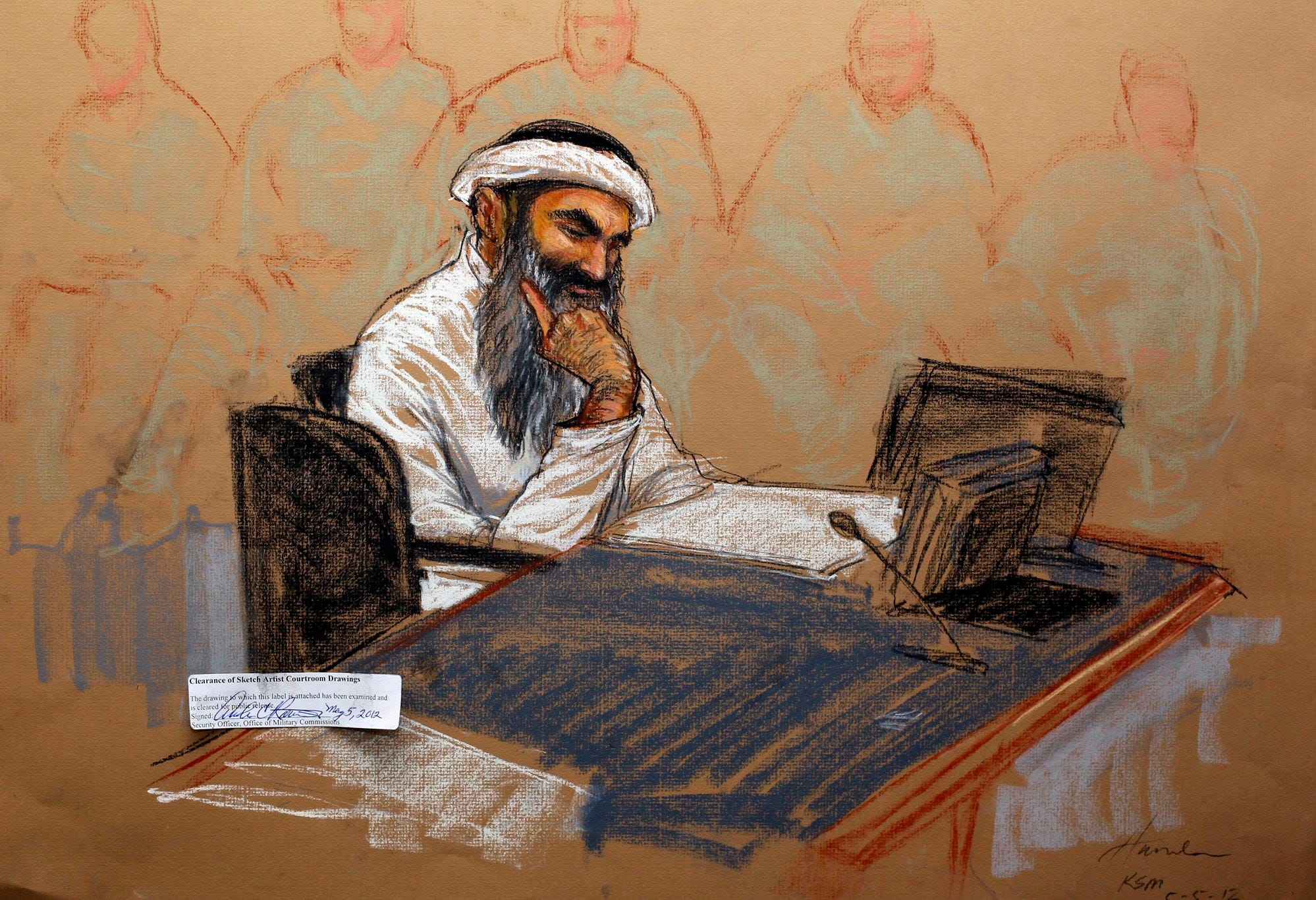
The remaining terrorists responsible for 9/11 have yet to face justice and their long-term detention in Guantanamo Bay has essentially kept them in legal limbo over two decades since they ordered the attacks. Knowing that there is potentially a trove of lost media being hidden away from the public largely because of this case frustrates me to no end more than any desire to see videos of World Trade Center victims meeting a grisly end, and I imagine the same holds true for many others.
A poll on the 9/11 archive subreddit shows that the majority of its users are in their 20s or younger, meaning that just like me they have little to no memory of the terrorist attacks. And yet it is undoubtedly because of renewed online interest in lost media that more are researching 9/11. Even if new discoveries are scarce, the hunt ensures that “Never Forget” will not be an empty slogan.