

Foreign Perspectives is a mix of free and paid content. Articles such as these are exclusively for paid subscribers, so if you enjoy the work I do, please consider upgrading to a monthly or yearly subscription. Your support is greatly appreciated and ensures that this Substack can continue to deliver high quality pieces.
Take advantage of my Welcome Back Spring Sale and get 20% off yearly subscriptions here!
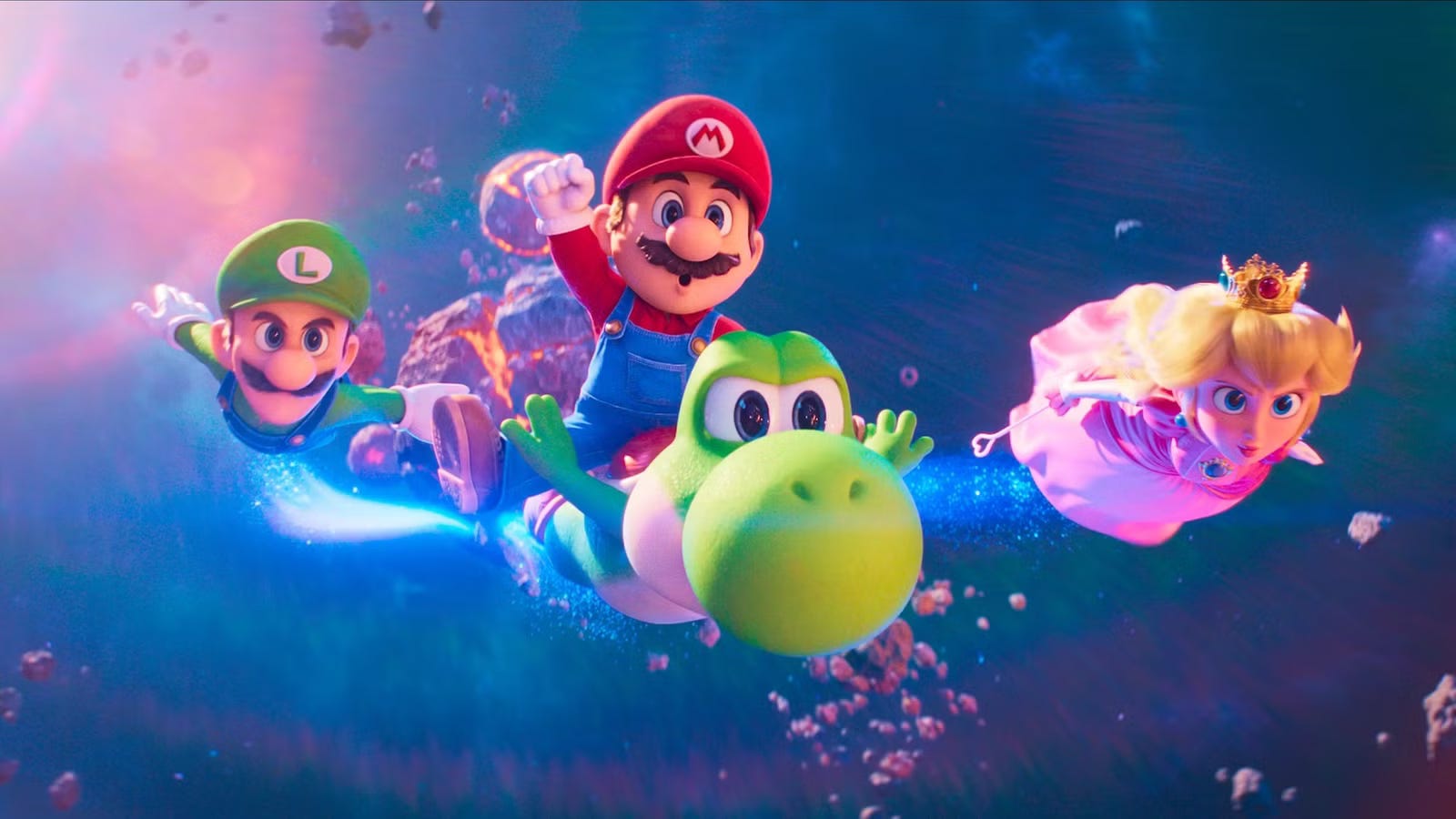
The Super Mario Galaxy Movie finally hit Japan at the end of April after being delayed from the rest of the world to tie in with the country’s Golden Week vacation season. As a dutiful fan of Nintendo’s iconic video games starring the portly plumber, I went to my local cinema to see what the sequel to 2023’s The Super Mario Bros. Movie had in store. If you believe the critics, it’s apparently a travesty “worse than AI,” a dull cosmic ride that’s “rock-stupid,” and I suppose just one of the many other crimes being committed on the silver screen when a true sci-fi masterpiece like Project Hail Mary exists by comparison.
But is it actually that bad? Eh, let’s just say that I’ve seen far worse. Remembering what the the last film was like, my expectations were essentially met. The Super Mario Galaxy Movie is a visually scrumptious take on Shigeru Miyamoto’s colorful characters, the music is immaculate, and the nostalgia is back again in spades, but viewers expecting a deep story or anything beyond what the games have established as a baseline are bound to be disappointed. That’s probably why the majority of non-gamer film critics are not happy, while even a decent amount of gamers are up in arms over the final product.
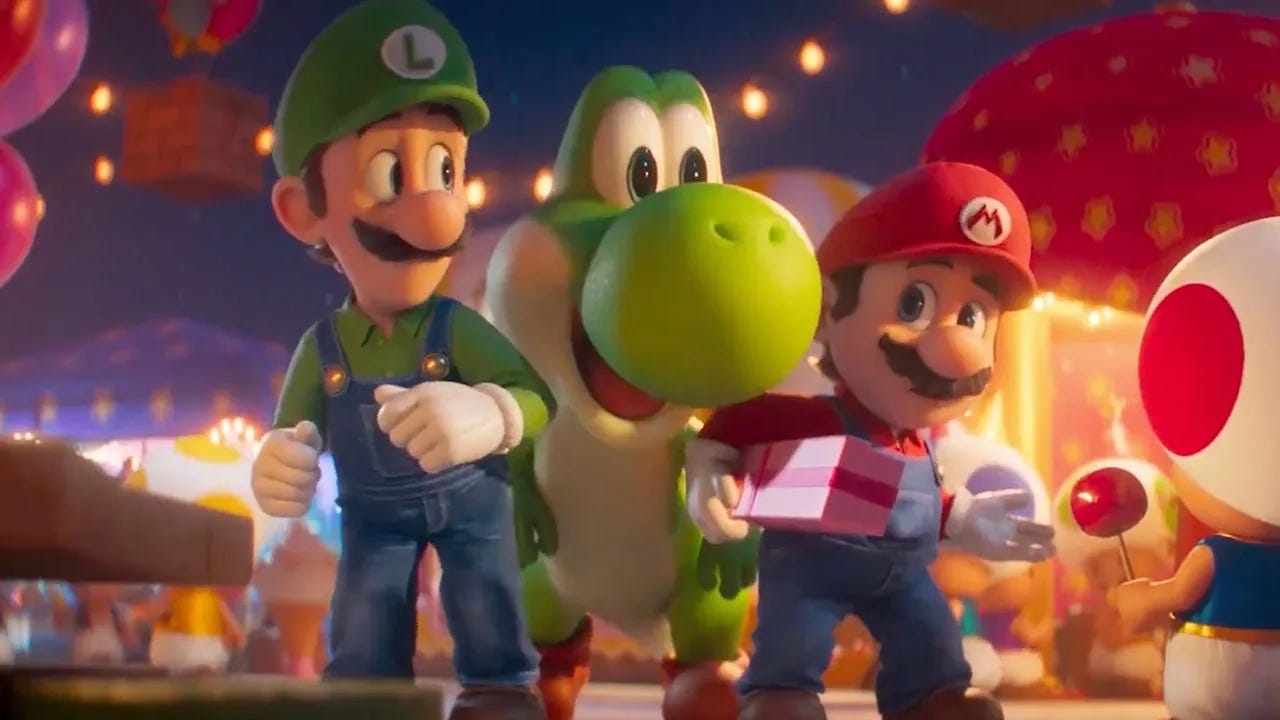
While watching The Super Mario Galaxy Movie, another thought occurred to me that had little to do with the film’s actual quality. I asked myself a more relevant question: Can Mario truly work outside of being a video game? Like most of my late millennial generation, I started playing the franchise pretty much as soon as I could hold a controller. Growing up, Mario himself was synonymous with what the majority of the public envisages as the default concept of a video game. Specifically, you go from Point A to Point B across multiple stages for a simple objective like rescuing a princess from a dastardly villain, each level gets progressively harder, there are a plethora of power-up items which aid you on your quest, heart-pumping music plays in the background, and, of course, you’re on a time limit.
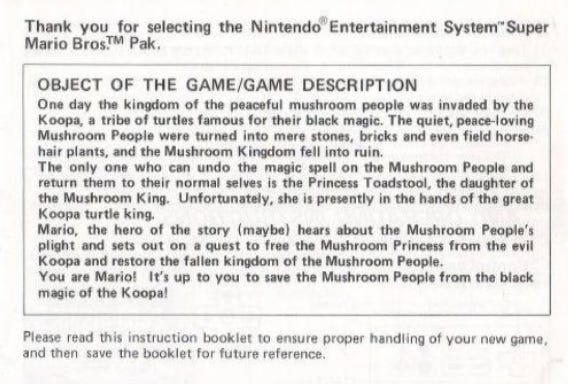
Since its inception, the Mario franchise has always prioritized gameplay over any kind of story. That goes back to the 1980s with arcade titles like Donkey Kong and Mario Bros. being intentionally designed to burn through your quarters as you tried to clear each stage and reach a higher score. When Super Mario Bros. hit the Japanese Famicom and the equivalent North American Nintendo Entertainment System in 1985, the objective to reach the end was still pretty much the same. The game’s manual included a brief one-page synopsis explaining the basic lore around the Mushroom Kingdom setting, but that was about it. Most kids in 1985 probably didn’t bother reading this information as they were too busy stomping on Goombas and figuring out the correct order to clear the final stage. No one back then thought that any of this would lead to a particularly interesting film.
Well, except Nintendo themselves. Just one year later, an anime feature film entitled Super Mario Bros.: The Great Mission to Rescue Princess Peach! hit Japanese cinemas. At just an hour long, it does an admirable job of trying to turn the game’s very simple story into a reasonably entertaining adventure with its comedy and spirited performances from the voice actors. With that said, it was basically just another marketing tool for the original Famicom game and its just-released sequel. As much as people want to criticize the recent Illumination movies for being cashgrabs, Great Mission was really no different 40 years ago. Nintendo pushed the film quite hard and released a plethora of associated merchandise from phone cards to instant ramen noodles. Many of these are collector’s items now.
Despite all the initial marketing hype, Great Mission was never officially released outside of Japan and Nintendo rarely acknowledges its existence today. Having previously only been available through poor quality VHS tape rips, the fan group Kineko Video moved mountains to secure a raw 16 mm scan and painstakingly restored it in 4K a few years ago.1 Many fans don’t like certain aspects such as the ending or Luigi’s Wario-like greedy personality, but one has to remember that the “rules” of Mario as we know them today had yet to be established back in 1986. In retrospect, I consider Great Mission to be my favorite film adaptation of the original game even if it’s more interesting as an obscure curiosity and fascinating moment in Nintendo history than anything else.
