

Foreign Perspectives is a mix of free and paid content. Certain columns such as these are free for all subscribers, but other articles will be exclusive for paid subscribers. If you enjoy the work I do, please consider upgrading to a monthly or yearly subscription. Your support is greatly appreciated and ensures that this Substack can continue to deliver high quality pieces.
Expect this to be one of many columns from me over the next few years lamenting the declining state of consumer rights and digital ownership. The catalyst for my melancholy happened last month when Sony announced that they would be ending production of physical PlayStation discs for new video game releases from January 2028. You can read my piece on that bit of devastating news here, but we now have more gasoline to pour onto the ever-burning dumpster fire.
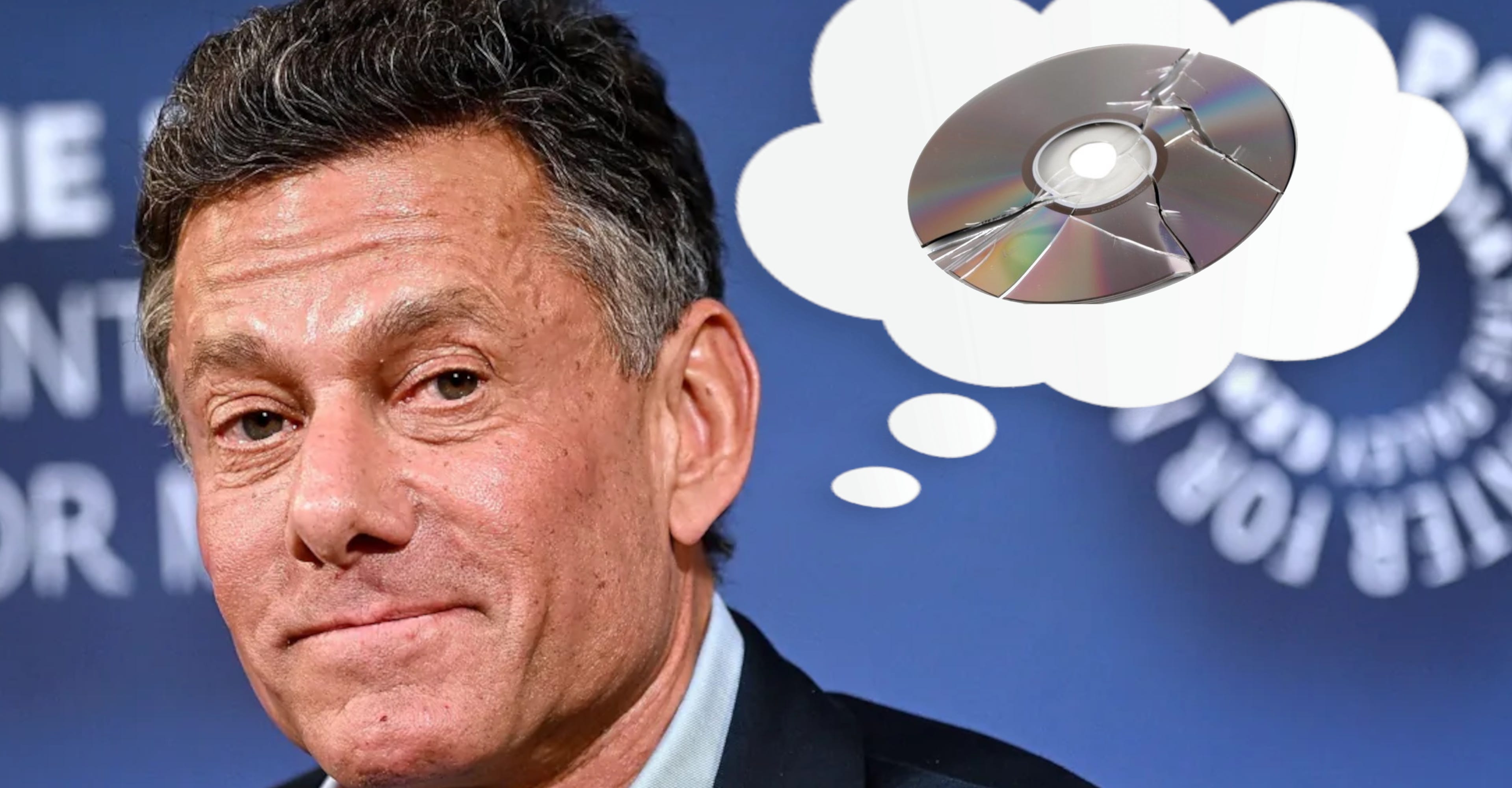
In what can only be described as one of the most out-of-touch statements I’ve ever heard from a sitting CEO, the boss of Rockstar Games’ holding company Take-Two has only confirmed my worst fears. During an earnings call with investors on Aug. 7, Strauss Zelnick, who I must stress does not play video games, reiterated Sony’s decision that physical discs “don’t really make sense for the consumer.” His longer statement as quoted by IGN is as follows:
Our business is well over 90% digitally distributed. It’s already a digital business. So in certain instances, especially if it’s a big game, discs just — and note I said discs — don’t really make sense for the consumer.
Also, most instances you have to register online to play anyhow. So if you’re already connected, who cares if you download digitally? It’s all the same and it’s much more convenient.
So that’s where the world is going in our opinion and I think Sony understands that. We certainly understand that. It doesn’t mean that we won’t have physical additions now and then, I’m sure we will in the same way that there’s still vinyl in the recorded music business. But in other instances, it just won’t make sense.
If you were wondering what that sound was, it was my head repeatedly banging the table I’m writing this article on.

Before I blow another gasket, let’s get the obvious out of the way. I know that Zelnick is a businessman whose first priority is pleasing his shareholders. I’m not in doubt that he knows how to generate revenue as the head of a holdings company that has a market cap of over $46 billion. Grand Theft Auto is arguably the most successful media franchise of all time and one doesn’t necessarily need to be a gamer to make the financial decisions which got the brand there. In fact, I’m well aware that my side of the argument is the losing one. The stuff that I advocate for — namely physical media, one-time purchases instead of endless subscriptions, owning what you buy in perpetuity, and some basic semblance of digital ownership rights for consumers — are all things that I’m pessimistic about existing in the long-term to varying degrees.
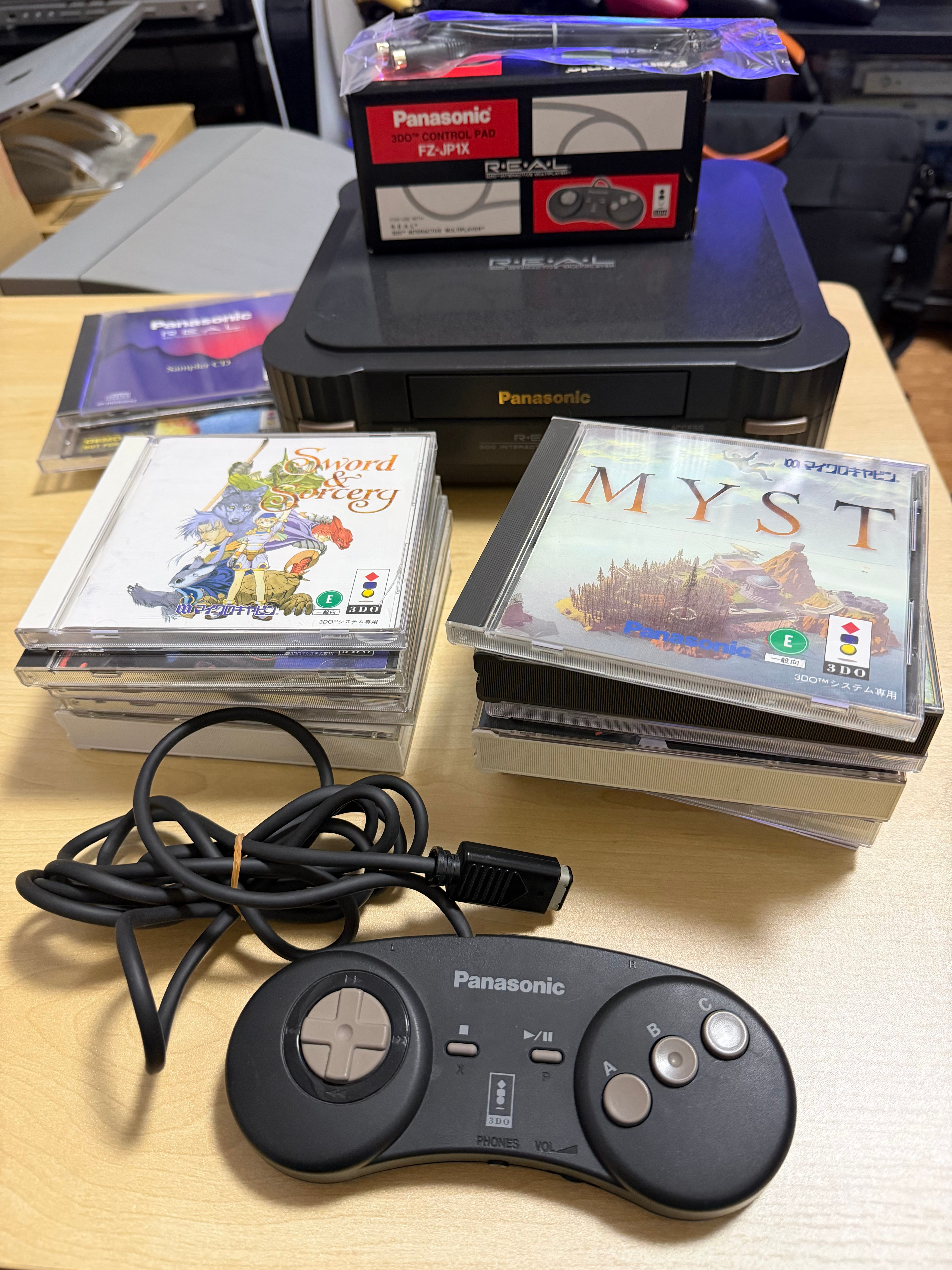
The aim of this piece and future ones like it is to chart the enshittification of the world we’re seeing in real time. I’m drawing my line in the sand both for the public record and because I think enough of my readership feels strongly about these issues to be of similar mind. Personally, I have more than enough media in my backlog to last me for decades. The inevitable externalities of an “all-digital future” are things I can largely avoid because I already built my own library of video games, films, books, and music from when I was a child. In short, I’m already prepared for the end times.
Back to the subject at hand, let’s break down the sheer hubris and ignorance of what Zelnick is saying. He is blatantly wrong that discs “don’t really make sense for the consumer.” Physical discs are how many gamers, particularly those from low-income backgrounds, get into the hobby in the first place. Not everyone can afford the latest release at full price, so waiting a few months for a discount set by individual retailers or finding secondhand elsewhere is often the only option. A robust, truly free market based around the first sale doctrine makes complete sense to the consumer, but someone in Zelnick’s position will of course never admit that. The eventual goal of these companies is to control all sales with no middleman and to eliminate the concept of used games. That has nothing to do with what is beneficial for the consumer.
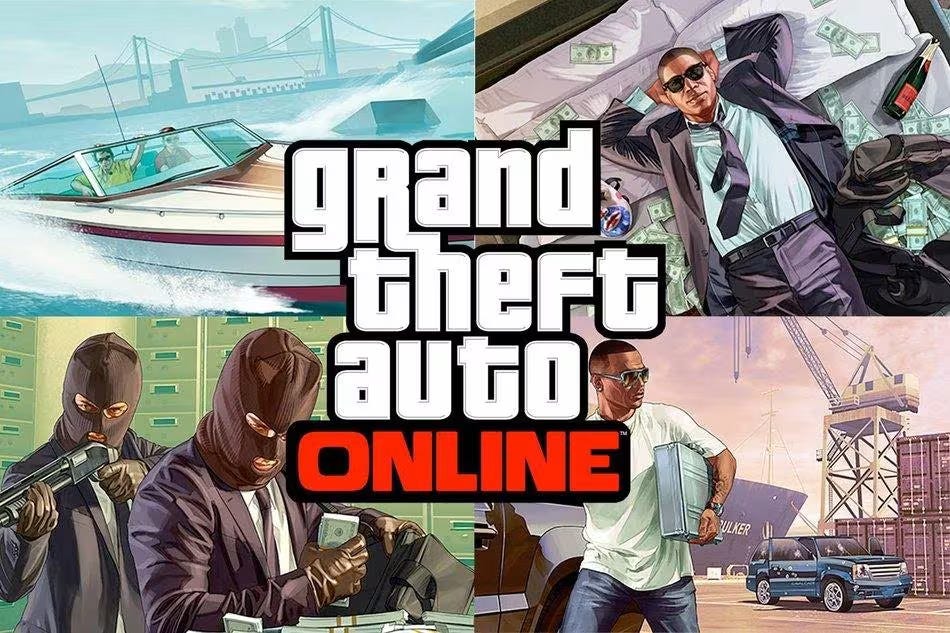
With that said, there is a grain of truth to Zelnick’s remarks. Specifically, the so-called “gun and ball gamers” who only play around two games a year such as the latest Call of Duty or Madden. This crowd almost certainly does not care about deeper issues like physical media or true ownership of the digital content they buy because gaming is more of a social activity they partake in with friends or during their limited hours of leisure time. Grand Theft Auto VI is primarily aimed at this audience, and it’s why Grand Theft Auto Online has been such a cash cow for over a decade with its endless microtransactions.
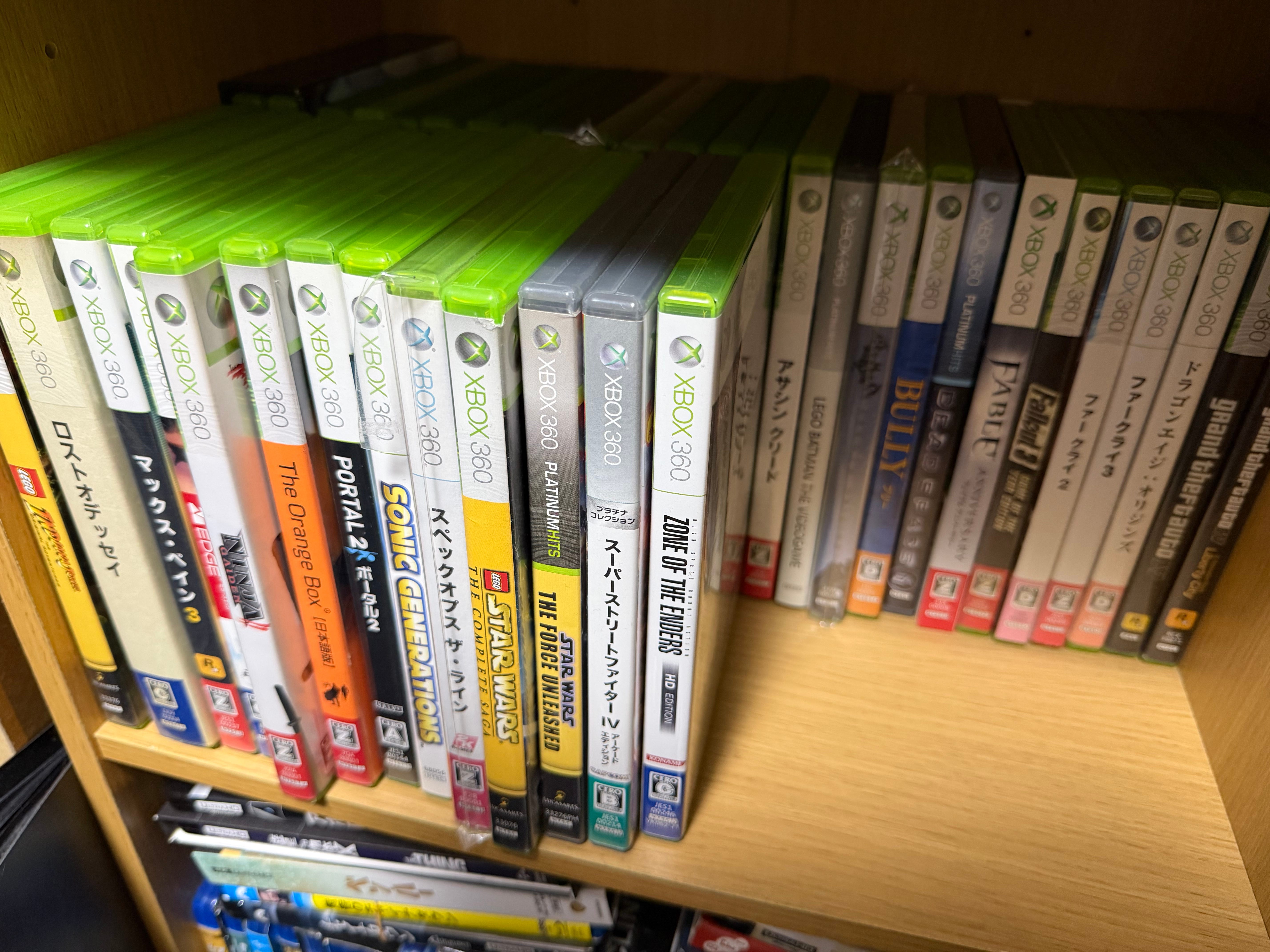
However, this leads into the second part of his statement about needing to register to play online. Not every video game should require online registration to begin with. There are plenty of big single-player titles which are meant to be offline experiences, and permanently tying them to a remote server is awful for long-term preservation. Look at the countless games which have been permanently delisted from digital storefronts. My Xbox 360 copy of Spec Ops: The Line is the only way I can lend it to a friend because it’s no longer available for purchase anywhere. Expect this to be the fate of most digital video games that have any kind of licensed music or brands, because those rights eventually expire.
Zelnick suggests that there could be physical media “in the same way that there’s still vinyl in the recorded music business,” but this is an ignorant throwaway remark for two reasons. First, Sony will no longer be producing physical discs after 2028 and Microsoft is very unlikely to pick up the slack due to the rapidly shrinking optical disc manufacturing sector. Second, vinyl is an apple to oranges comparison. Sales for the vinyl format hit over $1 billion last year, so it is hardly some secondary niche for the music industry. There is still strong infrastructure for the production of physical records, which is something video games won’t have after 2028 apart from perhaps Nintendo.

In other remarks reported by the press, Zelnick went on to make even more concerning comments about the future of how we play video games:
With the advent of streaming — which we really do believe is around the corner in terms of having something that’s low latency, and really works well for consumers — machines that weren’t game machines before will become game machines.
So, without regard to what happens in the console business, which is of consequence to us, of course, we see the overall install base as a practical matter growing materially. And if you believe in streaming, we really do — and I’m happy to put a timeline on it.
His prediction is that in three years, online streaming of games will be low latency enough for the vast majority of consumers to take advantage of with “minimal barriers.” And there you have it, folks. This is what these corporations really want: for you to pay indefinitely for subscriptions to content you don’t own and never will. Funny how the timing perfectly coincides with RAM and memory prices soaring because of AI data centers. No need for hardware if you can’t even buy the hardware to begin with!
If it isn’t obvious to most readers, there are a ton of problems with this proposed model for video games. Many will point to the reality that many parts of the world still suffer from inconsistent online connections, but this isn’t just an issue for underdeveloped or developing countries. Despite living in Japan, there have been plenty of occasions where my internet has temporarily cut out or servers necessary to operate aspects of PlayStation 5 games simply go offline. Imagine how all of this would be made even worse in a world where video games are only available through streaming.
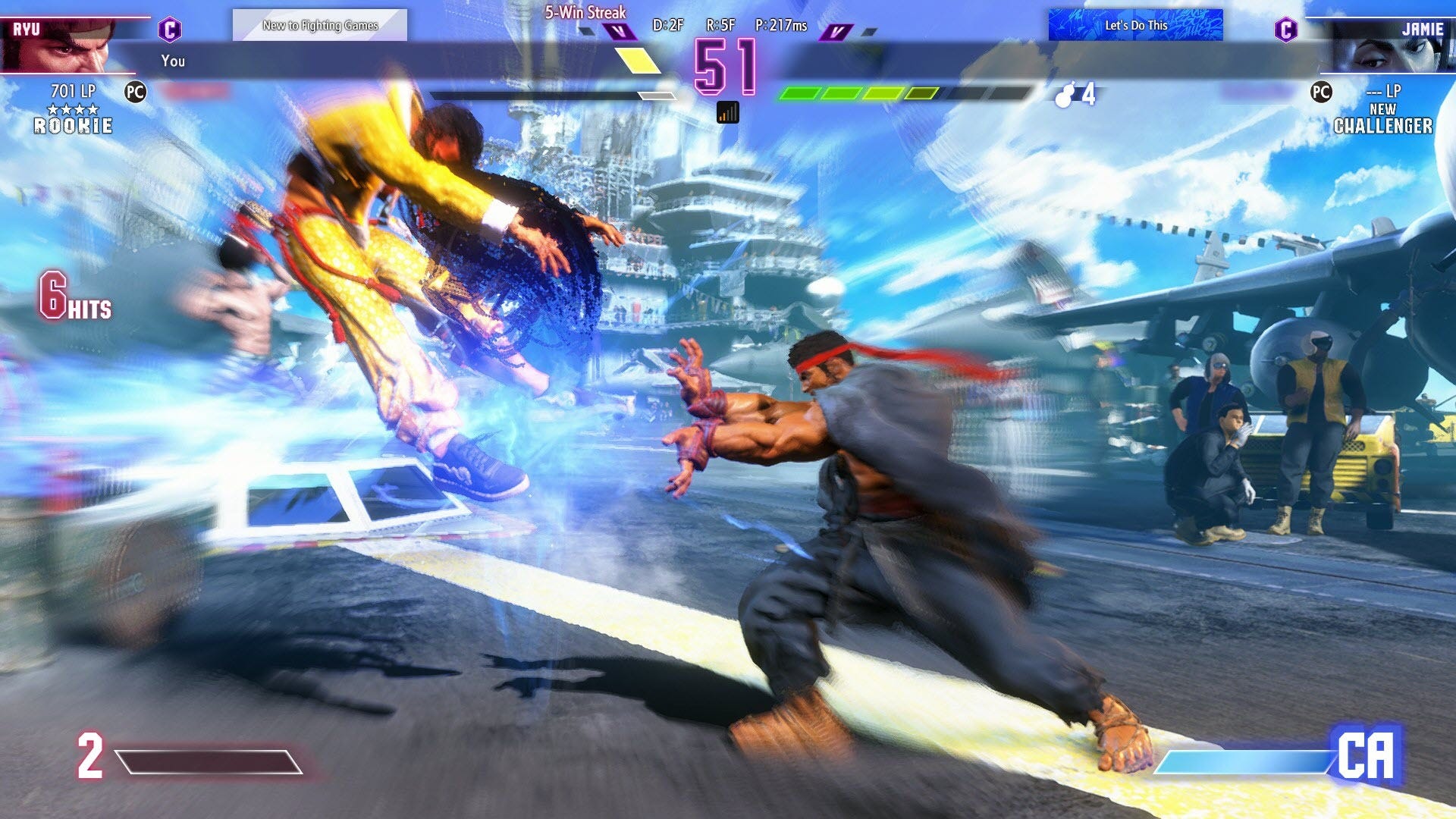
Titles requiring inputs down to the millisecond such as fighting and rhythm games would be essentially unplayable due to the latency. “Cloud” video games which operate on this streaming model have been delisted. Google Stadia was notorious for crashing and burning into the realm of discarded technology only just a few years after its emissaries were acting like it was the future. Zelnick is either unaware of all this because he isn’t a gamer or more likely he simply doesn’t care. Someone in his position only considers short-term profit instead of long-term consequences.
As much as I want to believe that there’s a chance for consumers to fight back through movements like Stop Killing Games and DoesItPlay?, I can’t help but view this as a futile Sisyphean task. If Grand Theft Auto VI is successful — and we all know it will be — then it will give Take Two and these other publishers carte blanche to do whatever anti-consumer practices they want. No more physical games, always online single-player games, and eventually full-priced games that are glorified rentals locked to streaming all portend a dark future.
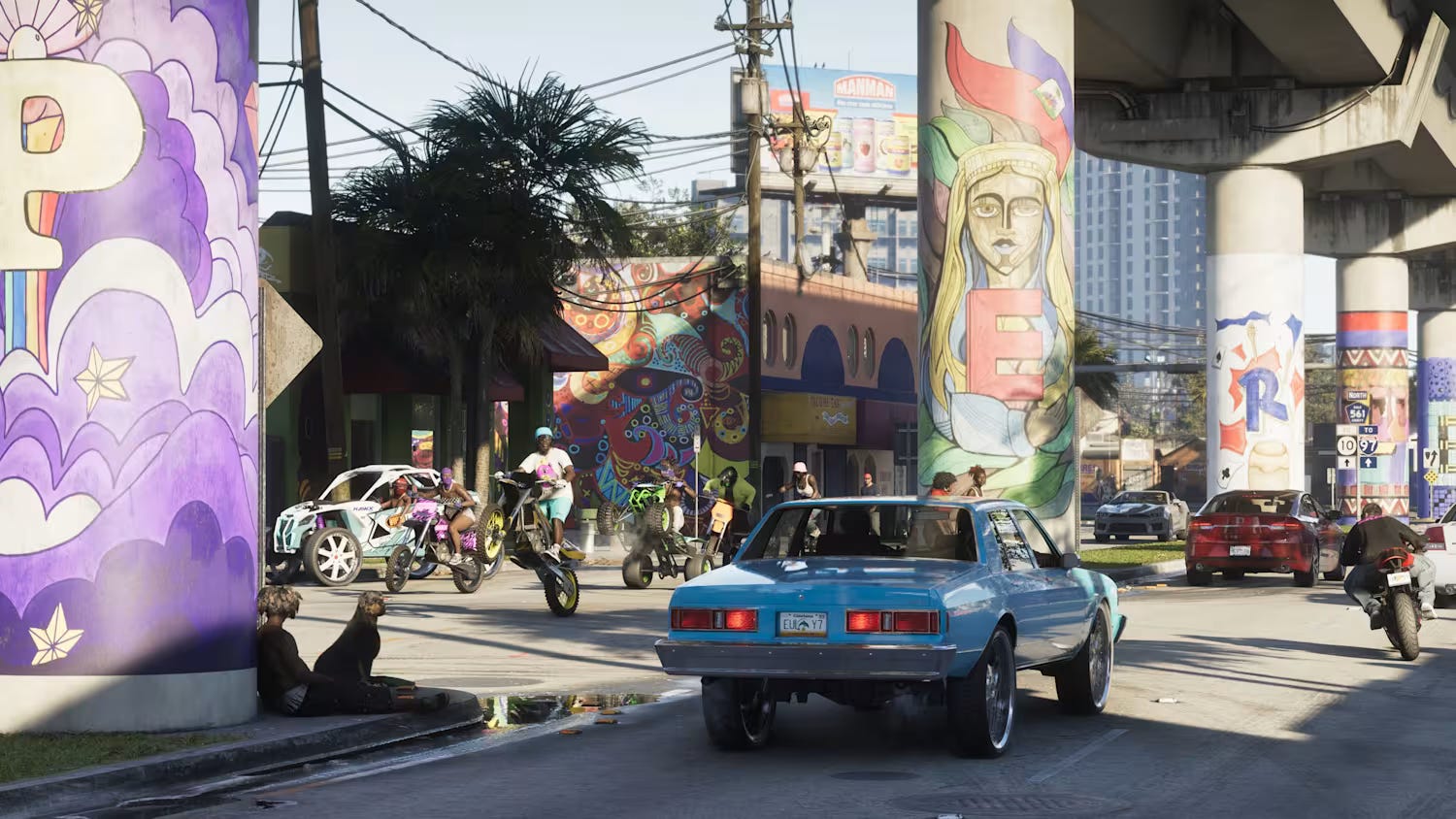
Sadly, it wasn’t just CEOs like Strauss Zelnick who are responsible for the gradual erosion of everything that once made video games enjoyable. The online microtransactions market was estimated to be worth over $62.5 billion in 2025. Blame the corporations as much as you want for introducing the free-to-play and always online “forever game” models, sure, but it was the consumer side that ultimately decided to embrace them. And as much as I’m a staunch advocate for physical media, the numbers cannot be ignored. Even if though the ratio isn’t as drastic as Zelnick suggests when you consider other factors, the reality is that more people are choosing digital over discs.
I know that old school fogies like me are a dying breed. The last 20 years of video games and consumer technology have made it abundantly clear that perceived convenience is gradually overtaking any semblance of true ownership. One bright side is that at least for books, movies, and music, a decent portion of Gen Z appears to be actively embracing physical media in an attempt to get away from the slop being pushed onto them. When it comes to video games, though, I’m already bracing for a world I have no interest in being part of.
Foreign Perspectives is a reader-supported Substack. If you like my work and have come this far, consider opting for a paid subscription so I can continue writing in-depth articles such as these on a regular basis. Your support is greatly appreciated!