

Foreign Perspectives is a mix of free and paid content. Certain columns such as these are free for all subscribers, but other articles will be exclusive for paid subscribers. If you enjoy the work I do, please consider upgrading to a monthly or yearly subscription. Your support is greatly appreciated and ensures that this Substack can continue to deliver high quality pieces.
My late father was a violinist for the Pittsburgh Symphony Orchestra, so music was naturally an integral part of my own life growing up. I was raised (reluctantly) learning how to play the piano and violin, the latter of which I took up until the end of high school. Having lived through the entirety of the Chinese Cultural Revolution, Dad didn’t come from an educated background. He survived that tumultuous world by getting a job with the Peking Opera as a violinist, which eventually allowed him to get a scholarship to leave China, study in Switzerland under the tutelage of Yehudi Menuhin, and make his way to the United States where I was born.
With that in mind, you can imagine how it was essentially impossible for someone from my kind of familial background to not have regular encounters with The Sound of Music. Dad ensured it was one of the first films my younger brother and I watched when we were old enough to understand the basic plot. Pretty much all of my Chinese musician relatives know the main melodies of the songs even if they don’t fully understand the words. If you were brought up on classical music, good luck trying to avoid Rodgers and Hammerstein’s most famous musical.
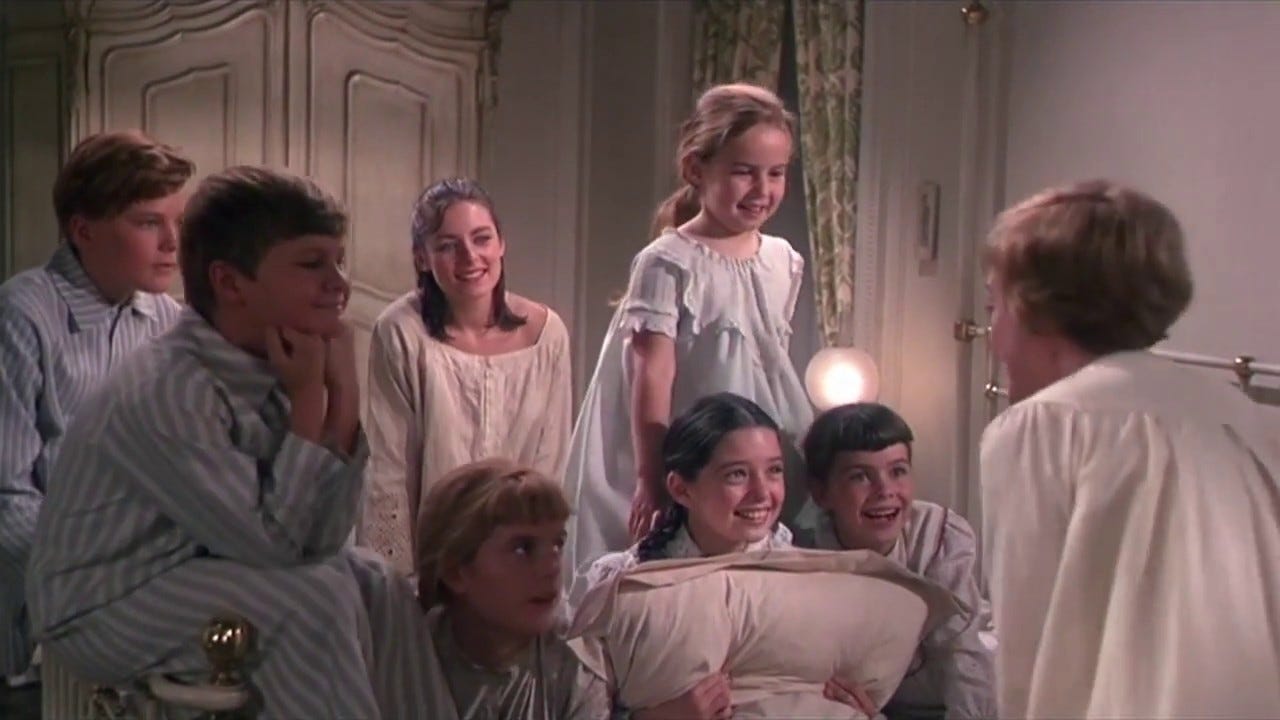
To be frank, I long resisted The Sound of Music. As a kid I thought it was long, boring, and hardly befitting of my attention which could have been spent on more exciting films for a six-year-old. Like Stairway to Heaven, the songs themselves were so ingrained into America society to the point of nausea. Why would I want to watch the film when my mandatory elementary school music classes insisted on drilling “Do-Re-Mi” into our heads for the billion time while the children’s concerts at Heinz Hall that Dad dragged me to inevitably went ham on The Sound of Music?
Fast forward to 2015 and much had changed. I was now in the last year of high school, had more appreciation for classical music, and was spending the better part of that period religiously practicing John Williams’ theme from Schindler’s List for my senior solo performance. I was in a better state of mind to watch The Sound of Music and as luck would have it, the Hollywood Theater in Dormont was showing the film again for its 50th anniversary. A bit older and wiser (as much as a high school kid thinks he can be), I was able to drop my prejudices and appreciate the musical for what it was — a completely uncynical crowd-pleaser deserving of its classic status.
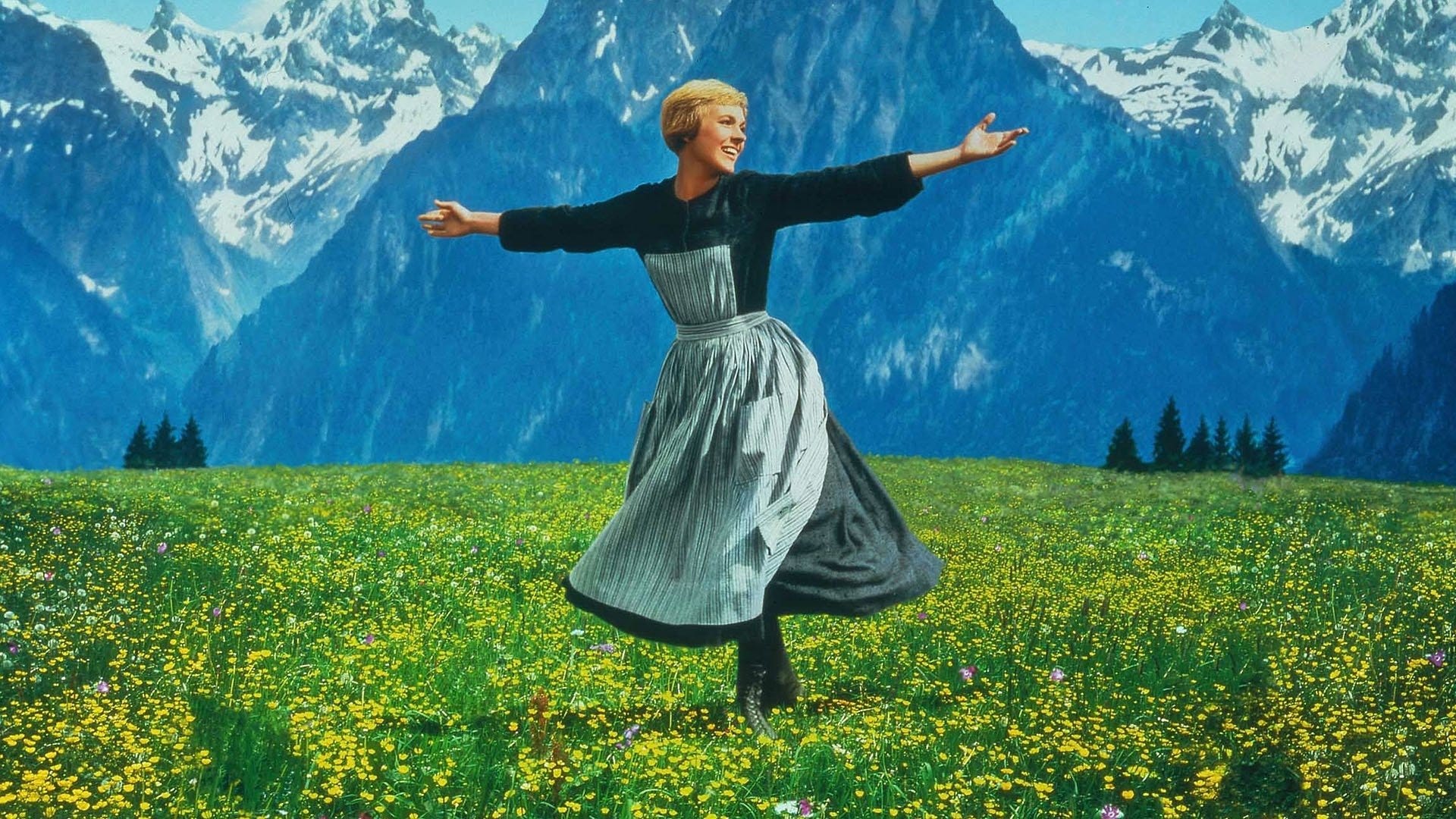
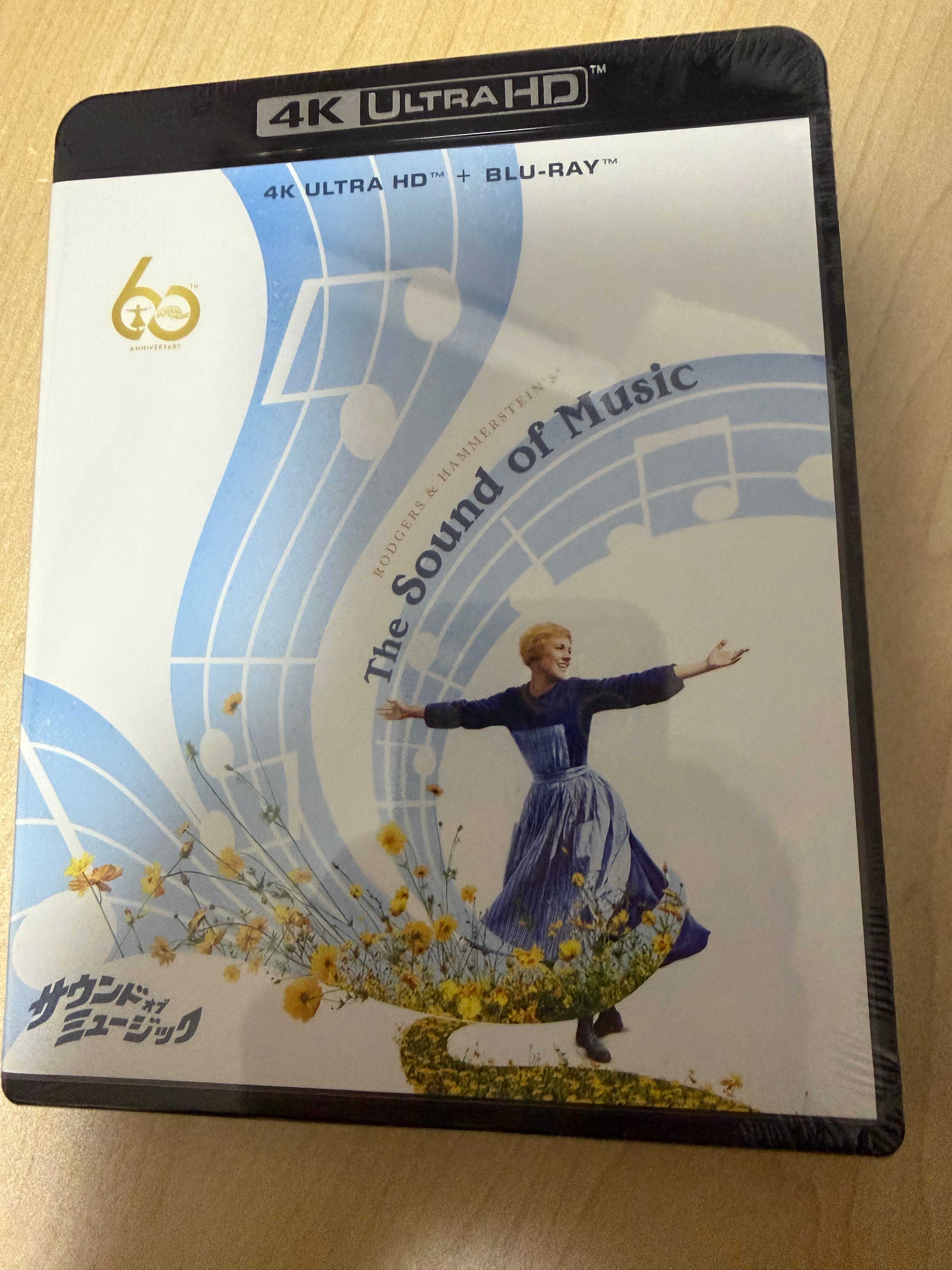
Jump ahead another ten years for the 60th anniversary, and things are once again very different. I’m married, living in Japan, my student musician days are long behind me, and Dad has sadly passed away. When I saw that The Sound of Music was being reissued on a 4K UHD Blu-ray boasting a brand new restoration, I decided to watch it again for old time’s sake. After loading the disc, the sweeping mountains of Salzburg and Julie Andrews’ dulcet tones once again greeted me like old friends. I was completely hooked.
Perhaps it’s because I’ve grown so disillusioned with the lack of seriousness Hollywood treats most of its tentpole releases in the last decade, but rewatching The Sound of Music reminded me of when going to the movies was an event. The best ones remained with you for the rest of your life, especially if it was a family affair when everyone took the time to get together for an evening to see the magic on screen. Apart from that, the sheer color, life, and beauty to The Sound of Music immediately resonate because they’re no longer modern conventions in movies anymore. Are the songs still schmaltzy and a bit lame if you actually sit down to contemplate their lyrics? Sure, but you never doubt for a second that this is a film which proudly wears its heart on its sleeve.
In fairness, many film critics even in 1965 thought that The Sound of Music was overly sentimental, sickeningly saccharine, and an old fashioned relic out of touch with the polarized social climate of the world (has that really changed?). Read reviews by writers like Pauline Kael and you’ll walk away with the impression that this film was some kind of horrible war crime that pushed the art of cinema back decades. Kael called it a “sugar-coated lie that people seem to want to eat” in a scathing piece that supposedly got her fired from her job at McCall’s magazine, though her former editor denied this. It wasn’t just the notoriously grouchy Kael who felt this way, either. Joan Didion was less vicious, but criticized The Sound of Music as “more embarrassing than most, if only because of its suggestion that history need not happen to people … Just whistle a happy tune, and leave the Anschluss behind.”
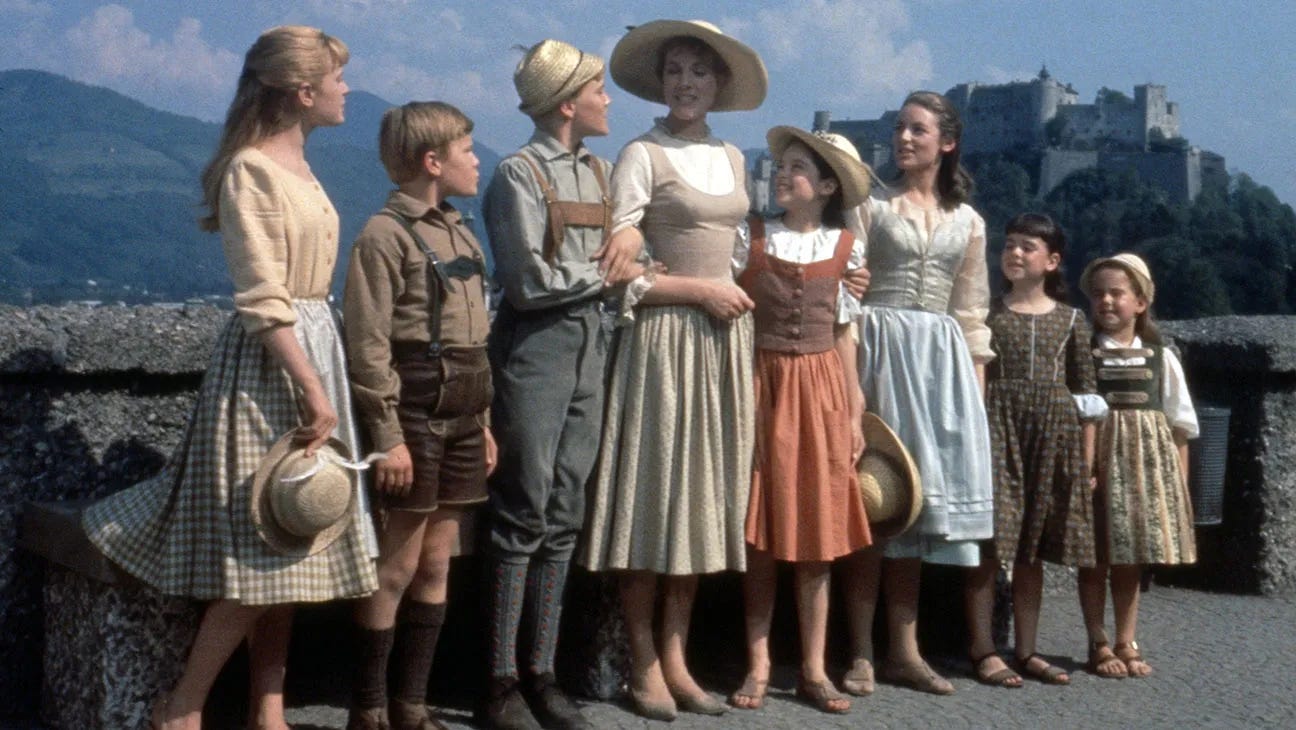
60 years later, however, and I’d argue that we need the optimism of The Sound of Music more than ever. Yes, the story does border on manipulative with how it draws emotion out of the audience, but you’d have to be the most cynical person on the planet to believe that its intentions were ignoble. Julie Andrews and Christopher Plummer carry the picture thanks to their raw talent, but also because their interactions with the child actors are so undeniably charming. Andrews in her prime was truly a once-in-a-generation voice, while Plummer was simply one of the greatest actors who ever lived. When you pair them with kids who were perfectly cast and directed, I’m not sure how you couldn’t be enthralled.
As an adult viewer more familiar with the history of World War II, I now have a better understanding of the film’s anti-Nazi themes. Somewhat similar to Casablanca, there are undertones of resisting tyranny at a time when the world is content to do nothing. The sudden tone shift after the intermission from a whimsical musical to an anti-fascist picture is admittedly somewhat jarring, but with context it’s clear to me that The Sound of Music is about the last days of innocence in the 1930s before the world went to hell in a hand basket. It’s loosely based on the 1949 memoir about the actual von Trapp family, though emphasis really has to be placed on the “loose” part as director Robert Wise freely admitted to wanting to create an entertaining film over something that accurately documented history.
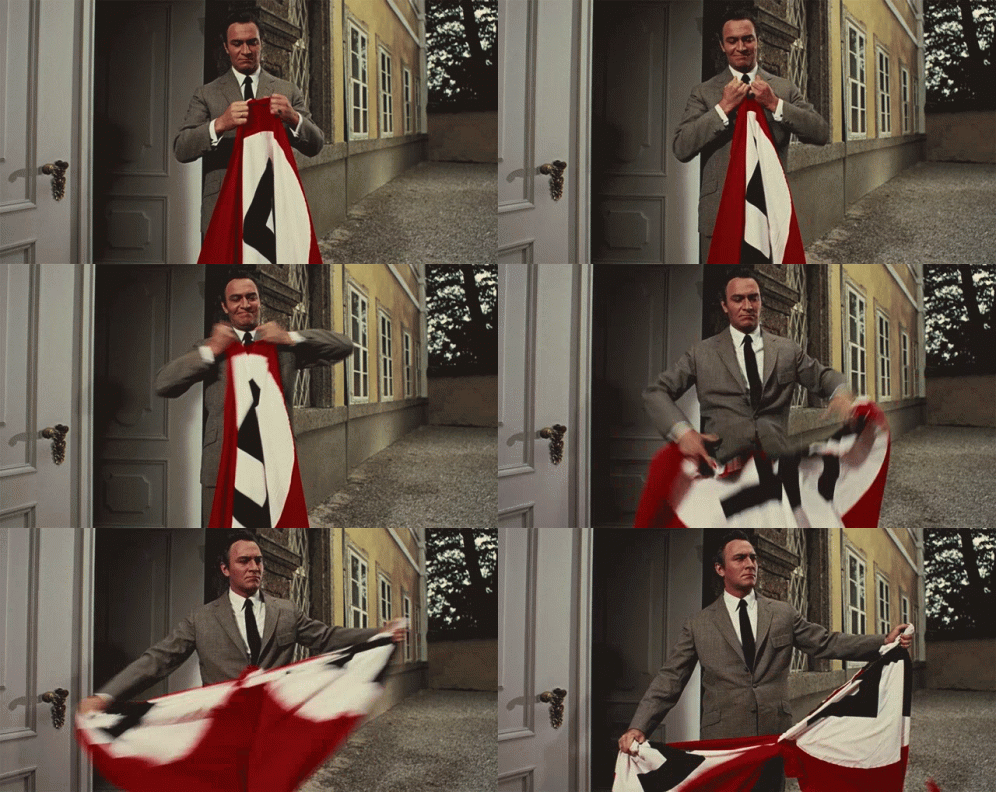
Now that I’ve seen The Sound of Music on multiple occasions, I don’t think you can dismiss its emotional pull as naive sentimentality. “Edelweiss” when we hear it the first time is about a father trying to reconnect with his children after shutting them out, but its reprise is when things really get powerful. Knowing that complete Nazi rule of Austria cannot be stopped at this point, Captain von Trapp refuses to cede his principles and instead chooses to leave his homeland with a mournful farewell. The lyrics take on a new meaning that things will be better one day and that the light can shine through the darkness. Given the world that we live in now, it’s a message we all need to hear.
And of course, The Sound of Music remains an everlasting technical marvel. Its latest release is a textbook example on how studios should treat old films with the proper 4K restorations they deserve. The breathtaking outdoor vistas look better than ever, and some of my favorite moments are actually the more intimate closeup scenes. Like many classic Hollywood movies of the era, the cinematography relies on soft focus to create a warm or “waxy” effect that elevates the emotions on screen. It’s the sort of natural visual flair that can only be done to this kind of effect on actual celluloid film. While a lot of things are possible today via digital manipulation in post, the old fashioned analogue techniques are basically a lost art now. I’m not saying that the industry should or even can go back, but rewatching these works restored to their full glory reminds us of what the best of the best once looked like.
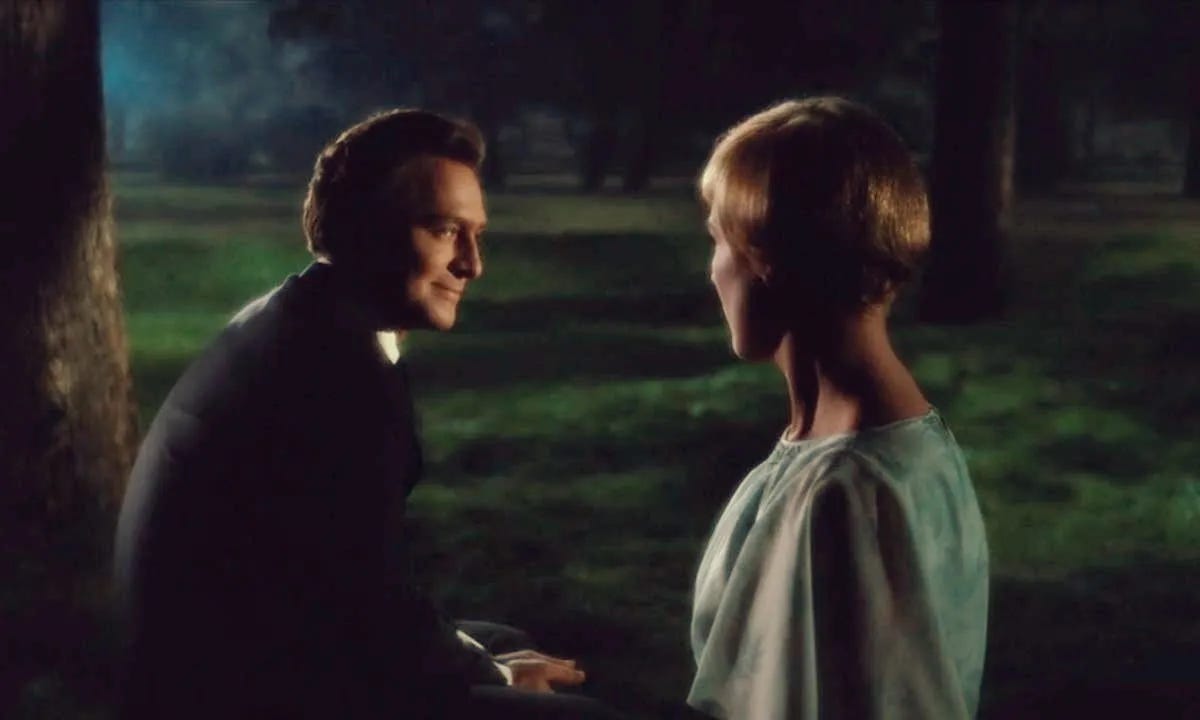
So yes, I’ve finally come around to accepting The Sound of Music as part of the canon of great films. My Fair Lady and Singin’ in the Rain rank slightly higher for me when it comes to musicals, but The Sound of Music likely has the most universal appeal. Despite the very different cultural background my father originally came from, it having been one of his favorite films is a testament to how it reaches people worldwide. That also holds true here in Japan where the film is a beloved classic. It’s a bittersweet feeling knowing that Dad is no longer around, but I was happy to create new memories watching it with my wife this time. We certainly plan on showing it to our own eventual children one day. That’s the true beauty of The Sound of Music — it’s meant for every generation.
Foreign Perspectives is a reader-supported Substack. If you like my work and have come this far, consider opting for a paid subscription so I can continue writing in-depth articles such as these on a regular basis. Your support is greatly appreciated!
The Sound of Music was the first meaningful Western movie I watched as a 7-year-old in China. My father bought me a (probably bootleg) OST that I listened to in his car, in my blue plastic 3-in-1 radio, over and over again till I memorised all the songs before I even knew what any of the words meant. It was in fact my one favourite thing -- beauty from an outside world I didn't know existed.