

Foreign Perspectives is a mix of free and paid content. Certain columns such as these are free for all subscribers, but other articles will be exclusive for paid subscribers. If you enjoy the work I do, please consider upgrading to a monthly or yearly subscription. Your support is greatly appreciated and ensures that this Substack can continue to deliver high quality pieces.
A look back on 2025
The 2020s are now halfway over, if you can believe it. So much has already happened during this decade that I both dread and look forward to whatever could possibly be in store for the rest. For better or worse, 2025 in many ways did feel like a pivotal turning point for history. It marked Trump returning to office, Japan getting its first female prime minister, and many global conflicts reaching their apparent crescendos (but not really). Taylor Swift also announced she was getting married, which I’m sure is more earth-shattering than all of the above for some people.
This is the last column of 2025 for Foreign Perspectives. Like what I did at the end of 2024, it’s a retrospective on my personal achievements and some thoughts on world events. I also use this opportunity to provide a look back on my best writing and the media that enriched my life the most throughout the last twelve months. But first, an apology. As you’ve probably noticed, things have been pretty barren here for the last few months. It started off as a productive year with me uploading columns nearly every week, but by the time the summer hit, all of that dropped off a cliff. I previously had to end Bonus Perspectives because there simply wasn’t enough time to keep doing it. October had no pieces at all and this is the only one for the month of December. To my paid subscribers especially, I deeply apologize.
In short, my life is going through a major transition period. As I write this column, the initial submission of my doctoral thesis in international relations is due by late January. I’m writing that behemoth every day, which is the main reason for there not being enough bandwidth to focus on Foreign Perspectives. I’ve also landed a regular freelance gig at The Dispatch, and they have given me more freedom than any other professional outlet I’ve contributed to. In fact, my latest for them discussing the decline of Star Wars under Disney was posted last week.
And if all of that wasn’t enough, I’ll still be in the middle of my annual end-of-year holiday with my wife hopping across multiple Japanese cities by the time this goes up. On trains and in hotels between our visits to hot springs and shrines, I’ve been writing my doctoral thesis and this column at the same time. I wanted to get it out to you all by the end of the year because it’s important to me and I owe it to my subscribers here at Foreign Perspectives. So once again, thank you for sticking with me through thick and thin.
While I’m hard at work finishing my thesis, I made the difficult decision this summer that I would not continue on with academia afterward. That’s right, after over five years working on my Ph.D, I’m deciding to call it quits right after I earn the damn thing. The biggest reason is because I’m currently in the process of moving into a different field entirely, one that will hopefully prove to be far more lucrative and fulfilling if it pans out. I can’t officially reveal what it is just yet, but rest assured there will be a full announcement here if and when it happens later in 2026.
The other reason for my departure from academia, however, I can talk about: I’ve simply fallen out of interest. When I moved to Japan for the second time in 2019, it was on a fully paid scholarship to do a two-year master’s program. After I finished that in 2021, I was able to extend the scholarship to cover what was supposed to be a three-year doctoral program. Well, as you can probably gather from where we are now, it’s been much longer than three years. The process to get to this point where I’m finally writing my doctoral thesis and about to submit it has been a frustrating one to say the least. As I was approaching the end of the tunnel, I also looked to see if there were any future job opportunities in Japan for someone researching Japan-North Korea relations such as yours truly.
To cut a long story that will be saved for a future column on why you probably shouldn’t bother with North Korean studies short, I hit a dead end. I searched high and low for any kind of assistant professor job I could do starting in April 2026 (the beginning of the next academic year in Japan) but found nada. Zilch. Nothing. You lose. Good day, sir. I then considered the next best alternative: a postdoc or research position. This only raised a question that had been curdling in the back of my mind for quite some time: Do I really want to go through all of this again with another research topic while I’ll probably be making peanuts in the process?
The answer is of course no, which brings us to the present. Throughout 2025 and the last couple of years, I’ve been fortunate to build my career as a freelance writer. I’ve achieved bylines in respected outlets columnists twice my age struggle to get while also mingling with some big names in geopolitics and other fields related to my interests. Why would I want to spend the rest of my life writing dusty academic articles that will probably be read by less than ten people each in dense language the average Joe can’t even understand? Most of the time you don’t even get paid to write this stuff. I can’t make a living off only being a freelancer, but what I get per article is usually at least enough for a nice dinner with the wife.
It took me a long time to stop kidding myself, but here I am now. I have to seriously think about the future both for myself and for my wife, especially since we’re approaching our 30s which is when you need to start planning if you want a family. We certainly intend to have children, but I have to be able to support that kind of lifestyle first. To tie everything back to the beginning of this ramble, I approached my turning point in 2025. I had the time of my life in the first half of this decade as a graduate student living abroad and came out of it as a married man. What happens for the rest of this decade is going to be new territory for me as I’ll finally be moving on from anything to do with schooling or academia. Better late than never, but I’ll save the full story for another day.
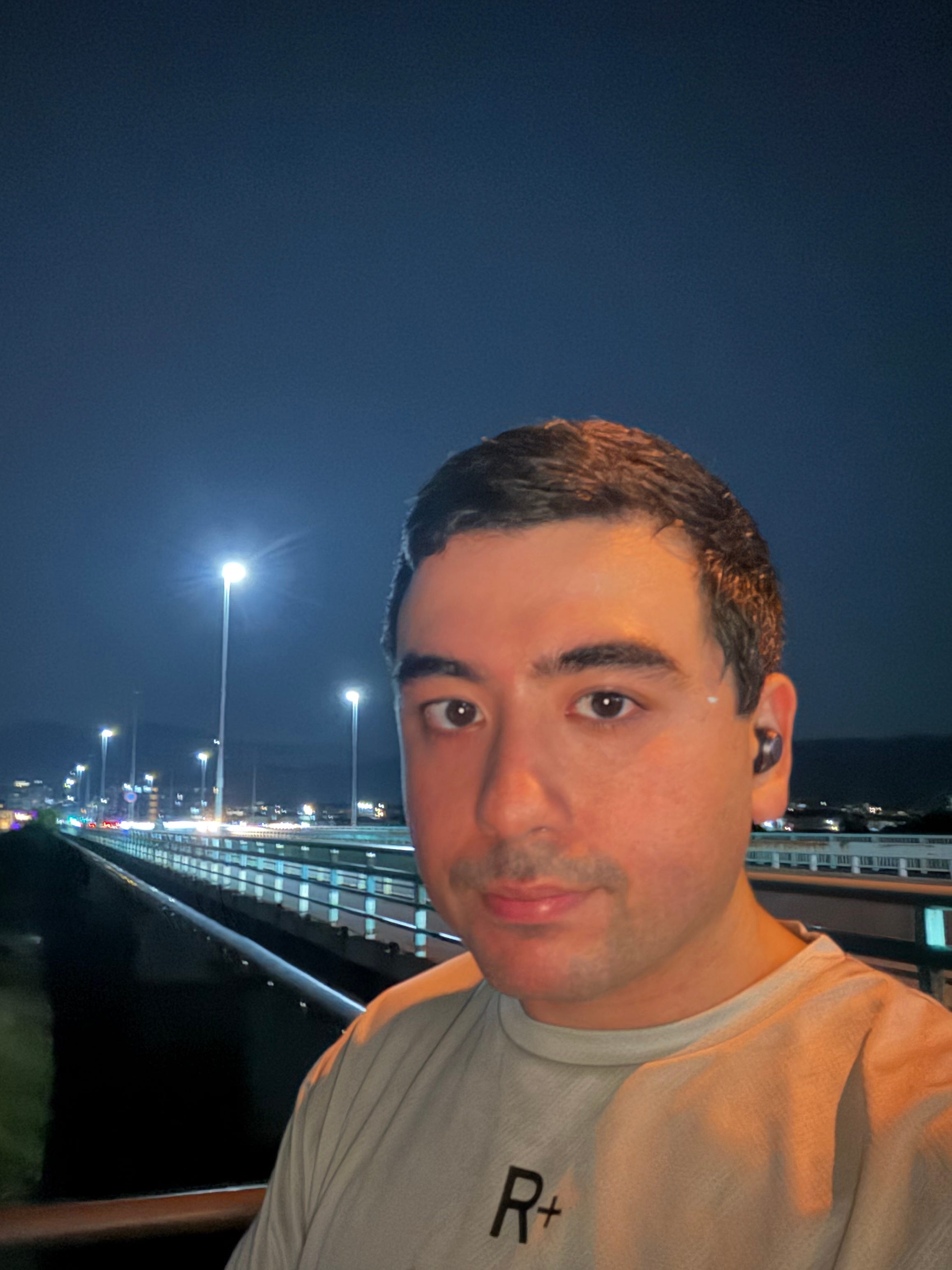
Health-wise, 2025 was the year I hit the ground running — literally. Since the end of 2023 until now I’ve dropped close to 22 kg (48.5 pounds). I had gained all that weight in the first place in an attempt to adapt to the bodybuilding lifestyle popular on social media through “dirty bulking,” but mostly just ended up gaining fat. So 2024 was spent undoing that mistake through diet, while 2025 was me finally being light enough to get back into serious running. I was able to get my 5K down to under 26 minutes (nearly at 25) while doing 10Ks, 15Ks, and even half-marathons all for the first time. My next goal is to spend 2026 training for the 2027 Kyoto Marathon. It’ll be a challenge for sure, but having gotten used to long distances, I’m only building upon what I’ve already accomplished.
Speaking of accomplishments, I have to once again thank all of you for bringing Foreign Perspectives to well over 1000 subscribers in 2025. Part of this was due to my own push in the first half of the year to deliver timely content (sorry again about the last half), but another reason was me recommending other Substack publications and them recommending mine in turn. The material posted here can be all over the place as I don’t limit myself to just one subject, but I hope new and old subscribers alike have enjoyed the diversity of content. Rest assured, Foreign Perspectives isn’t going away in 2026. After I submit my doctoral thesis, I fully intend on returning to more articles on Substack while continuing my freelance writing for other outlets even as I change careers.
I’ll end this already long introduction with some brief thoughts on major events that I followed throughout 2025:
The return of Trump: I consider myself a center-right political moderate, but have never been anything close to a MAGA guy. I have friends and families who hate the man’s guts, while I know others who think he’s the bee’s knees. As an American who lives abroad, the only thing I can really comment on with Trump is how he approaches issues that affect my life such as trade and foreign policy. Unsurprisingly, I’m largely not a fan. While he’s done some good things in the Middle East, Trump’s tariffs have only alienated America’s allies and will inevitably cause many countries to look to China as a trading partner instead. It’s still too early to really know what the long term consequences will be, but I don’t live in the U.S. and I’m already Trumped out after ten years of him being a constant presence in all discourse.
Ukraine: A war I’ve had serious investment in since it started in 2022 due to the friends and colleagues I’ve made who are directly involved. I view Russia as one of the most evil regimes on the planet. It’s both a pragmatic and moral imperative that Putin’s ambitions to take over Ukraine, which he has been clear about many times, be stopped. Unfortunately, the current administration in Washington has done little but kick the Russian can down the road. February’s White House summit between Zelenskyy and Trump was one of the most shameful moments in American history. I previously believed that the U.S. would continue to stand with Ukraine after Russia’s continued stonewalling, but it’s now clear that Trump wants a hasty ceasefire that he can frame as “ending” the war in the short-term even if he knows hostilities will inevitably resume in the long-term. This is going to be a conflict that, like the Korean War, will remain technically ongoing for decades.
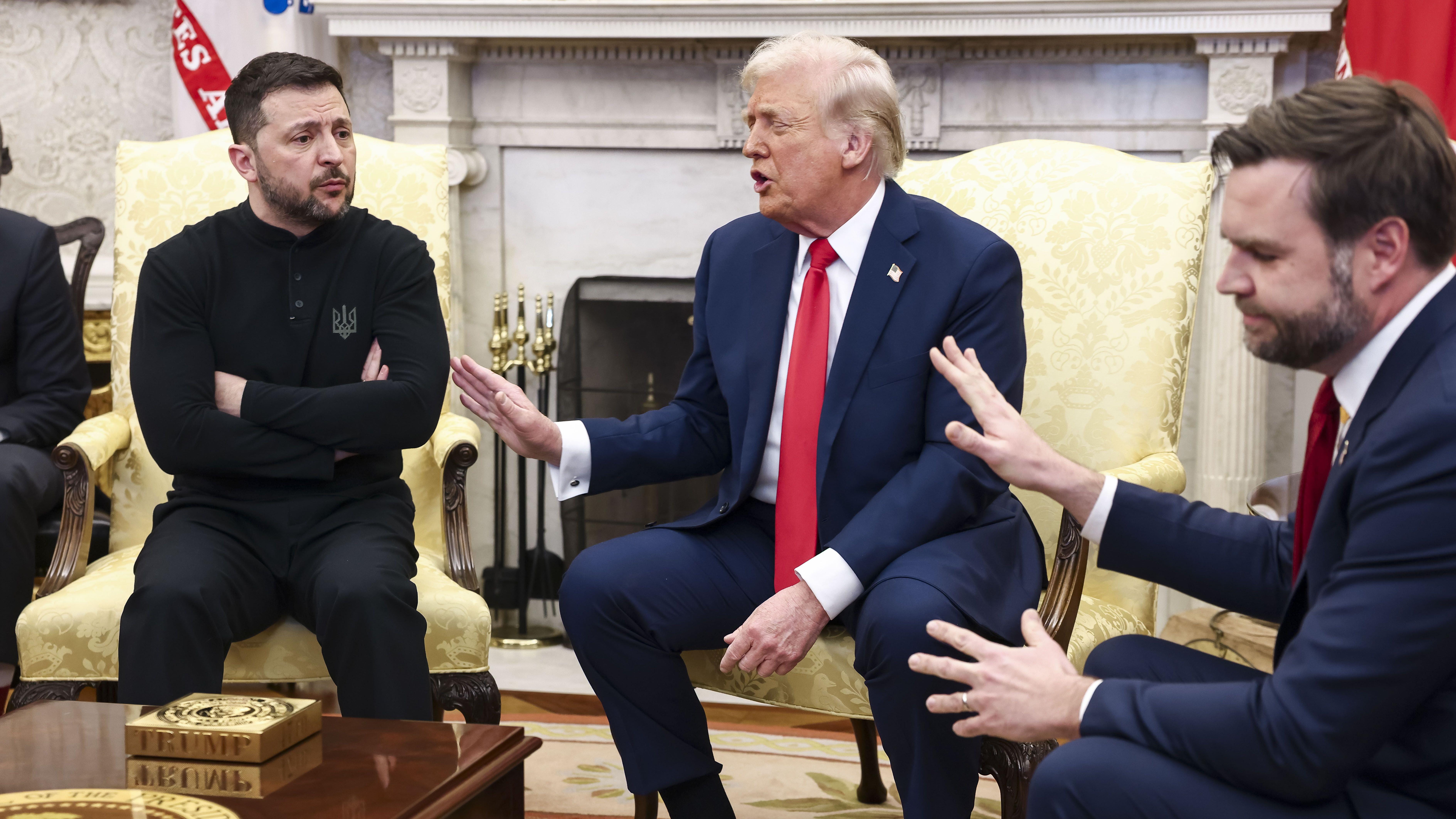
SignalGate: Pure idiocy which lowered my respect for Mike Waltz, who is otherwise an intelligent and accomplished political figure. Him being demoted to Trump’s ambassador to the U.N. was likely only done in consideration of his military service. It doesn’t mark the total end to his political career, but his lack of care in handling extremely sensitive intelligence does not bode well for his future either.
The assassination of Charlie Kirk: Utterly horrid, but sadly the culmination of political violence being normalized in the United States on both sides. It wasn’t the first time and it unfortunately won’t be the last time either.
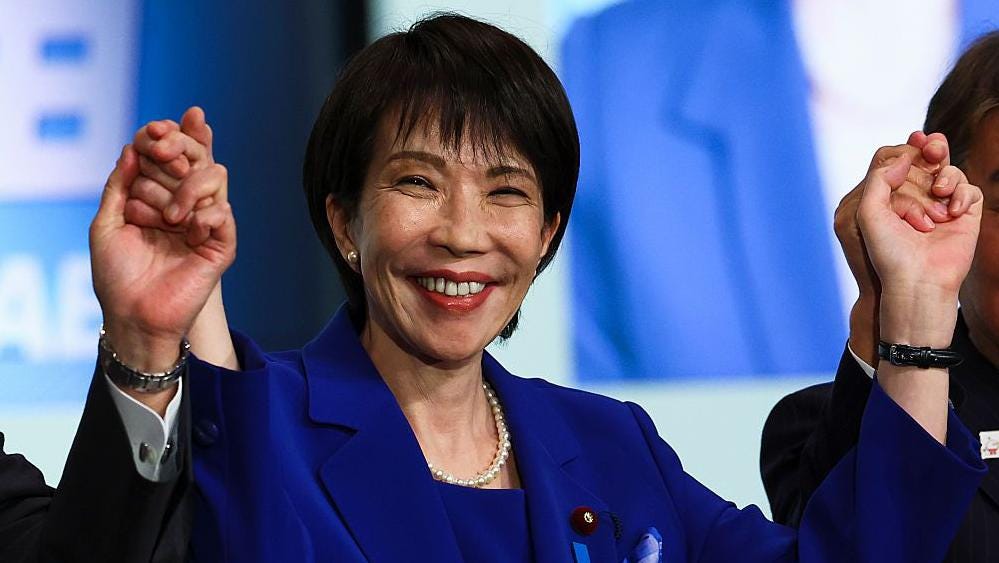
Japan’s first female prime minister: Sanae Takaichi will likely be an improvement over the last few Japanese prime ministers, but she has big shoes to fill as the protégée of the late Shinzo Abe and Japan faces a ton of problems that will take more than public charisma to fix. I don’t think her administration will be a short-lived as Shigeru Ishiba’s, but longevity is never guaranteed in Japanese politics. See my column about Takaichi for The Dispatch here.
The general state of Japan in 2025: Things are far more pessimistic than the enthusiastic posts on social media from tourists who visit here for a ten-day holiday. I still have no plans to live anywhere else, but many Japanese people are struggling in the face of serious economic problems such as stagnant wages and rising costs of living. More foreign residents living in Japan is also an inevitable reality, which is why the government is carefully seeking to avoid the same mistakes as the West. See my column with further thoughts here.
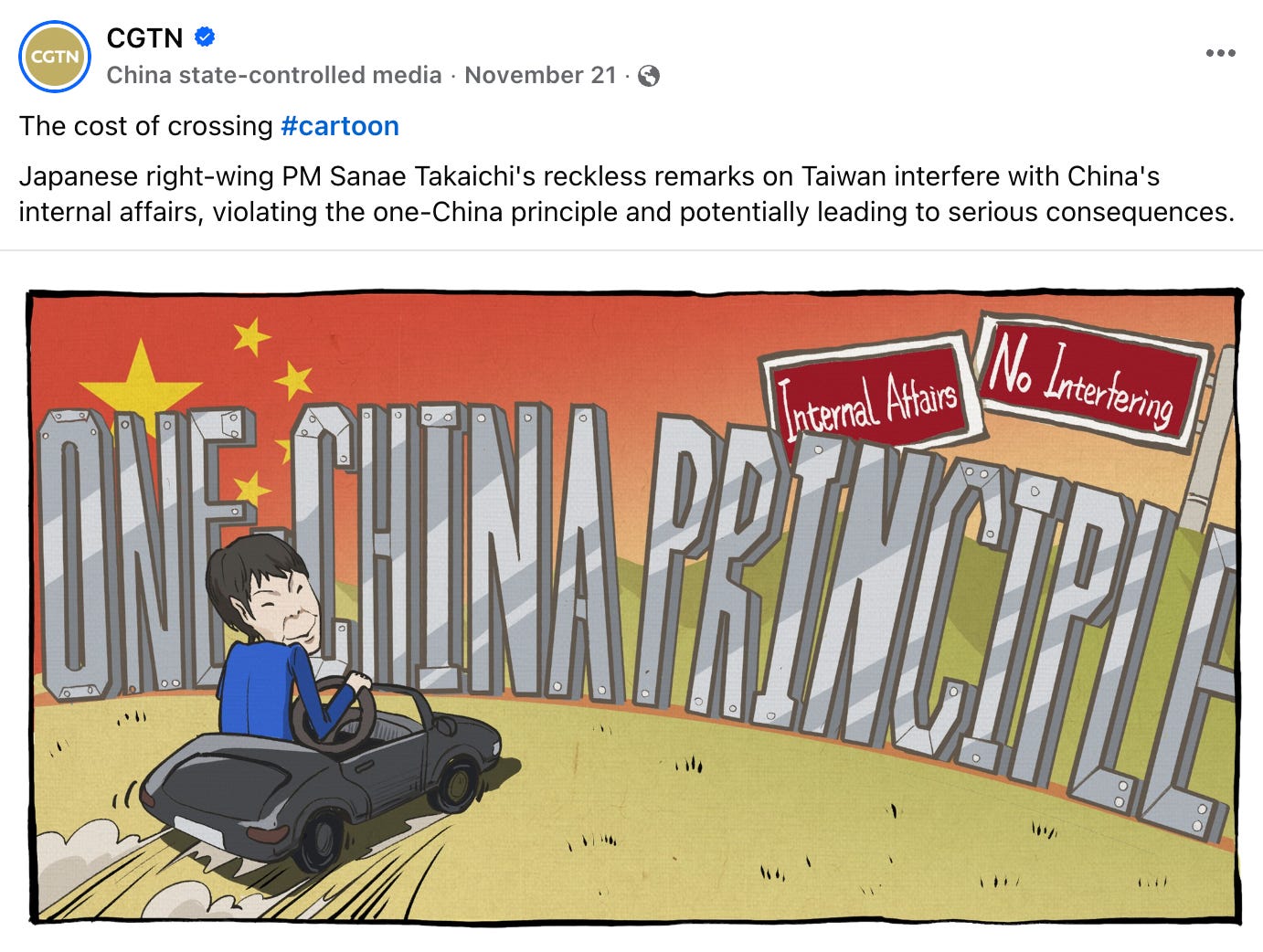
China’s spat with Japan over Taiwan: Utter stupidity from the CCP that is a clearly calculated propaganda campaign to smear Japan as a nonexistent geopolitical bad guy. Takaichi’s remarks only stated the obvious and Taiwan isn’t going anywhere. The current diplomatic spat with eventually burn itself out, but it’s an eerie reminder that China’s aspirations to annex Taiwan should not be dismissed.
South Korea’s new president: Not a fan of his history of anti-Japanese rhetoric, but that was Lee Jae-myung before he had to run a country that needs Japan in the face of Trump and China. For the time being, he seems to have taken a pragmatic approach toward the U.S. and Japan instead of devolving into an ideologue like his predecessor Moon Jae-in. With that said, he has more common with Donald Trump than you may think despite their very different backgrounds. See my column about him I wrote for The Spectator here.
Netflix buying Warner Bros. Discovery: We live in hell.
The rise of AI slop: We live in hell.
My ten best pieces
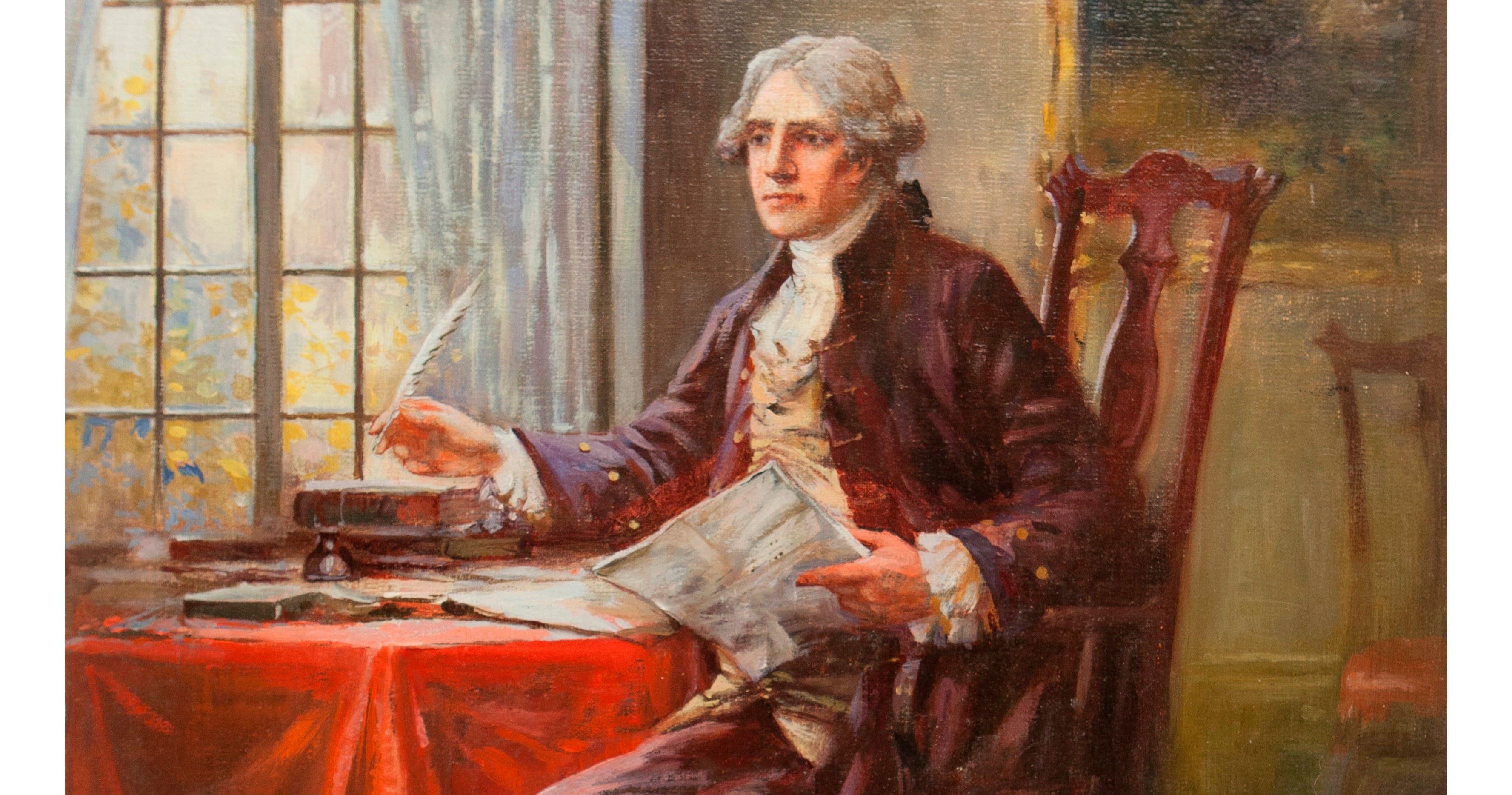
As I powered through my doctoral program, I also continued my work as a freelance writer. My bylines in The Spectator and UnHerd continued as usual, but truth be told I’ll largely be moving away from geopolitical commentary in 2026. This is because the next stage of my career will likely require me to avoid publicly discussing anything too controversial, but I’m more interested in examining cultural topics anyway. The Dispatch has especially proven to be a wonderful platform. Most of my pitches are accepted and very little needs to be cut since they prioritize long-form essays. I look forward to continue working with them and whatever outlets wish to run my pieces.
Here are the ten best I wrote this year.
“Japan’s love affair with Dragon Quest spreads worldwide” — The Japan Times
A nice break from the more serious topics I usually cover. Dragon Quest is arguably the most popular video game series in Japan. The franchise is so huge that new game releases are planned on weekends so people don’t skip school or work. It took much longer for it to be successful in the West by comparison, but that too is finally changing. It was wonderful to discuss one of my favorite video game series and interview translator Jeremy Blaustein who I now consider a friend. Not only that, but Nagasaki Junior College even asked me if they could use some excerpts of the piece for one of their English exams! Now that’s one of my proudest achievements as a writer.
“A Personal Journey Through Japan Part 3: Toyooka” — Foreign Perspectives
I embarked on a solo trip to three Japanese cities in May 2024. Each of them meant something very personal to me because they played a key role in my formative experiences when I first came to Japan. I decided to turn my time on the road into an extensive three-part travelogue column, but it took until April of this year for me to finally conclude the series. Out of all of them, the piece on Toyooka was the most emotionally resonant as it centered around my first serious relationship. The larger themes are about the romantic feelings many expats tend to have toward their adopted country and how you eventually reach a crossroads at what direction to take your life in.
Going back to Toyooka after so much had changed for me over the years provided a sense of closure I very much needed. Incidentally, I went to Kinosaki Onsen again last week, this time with my wife. We had a wonderful experience and while I still felt nostalgic while we stayed at our hotel next to Toyooka Station, I no longer was wistful. This is a piece about some very specific experiences in a Japanese town most have never heard of, but I’m glad I was able to write it for my own sake.
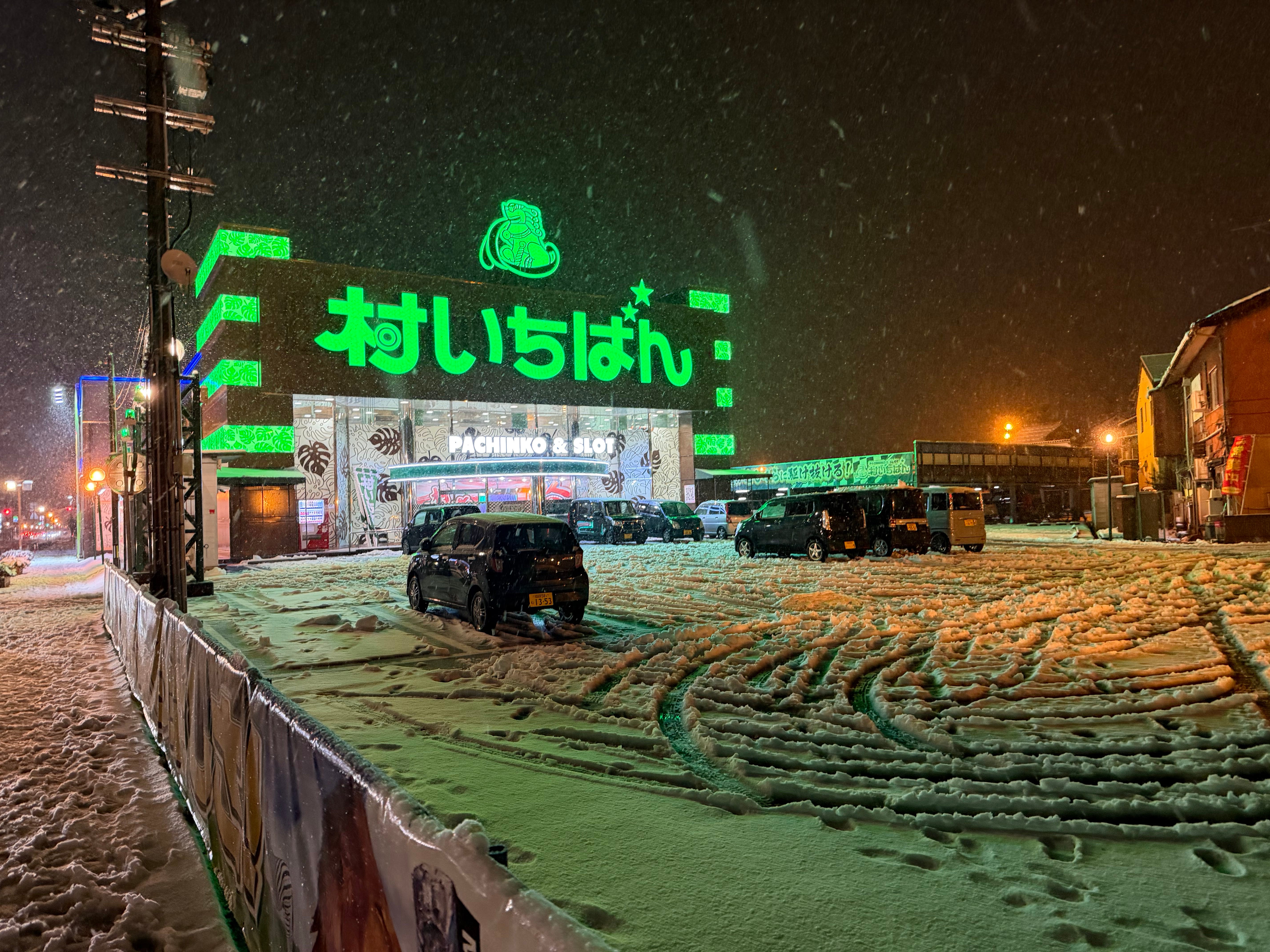
“The iPod Reboot” — The Spectator
Millennial technology is back, baby. For various reasons, a segment of zoomers is returning to the gadgets and trends my generation experienced. I never gave up on the iPod though. I always valued having a dedicated music player on me as a detox from our always online 24/7 smartdevices which deliver an endless stream of notifications and dangerously addictive dopamine. In this piece for The Spectator, I wrote about why the iPod has returned, the enthusiast community that keeps it alive, and how it allows you to appreciate the music in your pocket much more.
“Japan’s populist pivot” — UnHerd
One of multiple articles I wrote this year that was aimed at correcting the sludge of fake news around Japan. A plucky populist party (try saying that five times fast) named Sanseito dominated international headlines which tried to frame the country as supposedly pivoting hard right a la MAGA or Reform, but I aimed to provide a more nuanced perspective. Hopefully it didn’t fall on deaf ears.
“Why Japanese People Still Can’t Speak English” — Foreign Perspectives
Many visitors to Japan are often baffled at the low level of English among Japanese people, but it turns out there are many factors contributing to this country’s linguistic separation from the Anglosphere. In this column for Foreign Perspectives, I broke down why Japanese people generally still can’t speak English and why this situation is unlikely to change anytime soon. From poor education methods to the fact that you really don’t need English to live in Japan, it’s been this way forever.
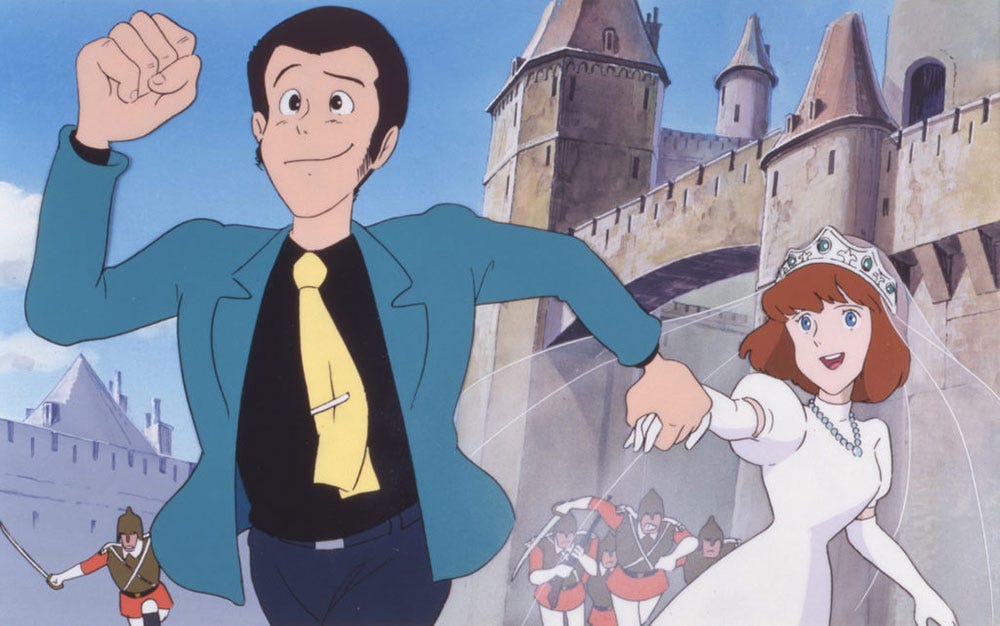
“Does the Lupin III series have a timeline?” — Lupin Central
A piece I did for free out of my love for the Lupin III. Lupin Central is a blog written by and produced for fans of Monkey Punch’s long-running franchise that shows no signs of stopping. With so many shows and films, I discussed the interesting question of if Lupin III has any semblance of continuity or a timeline. It was a pleasure to write this one because it was purely for fun.
“9/11 and Historical Memory” — Foreign Perspectives
In contrast, this piece I wrote for Foreign Perspectives the same month was the opposite of fun, but it was very important. Longtime subscribers will be aware of my interest in covering topics related to the September 11 terrorist attacks. On the 24th anniversary of 9/11 this year, I was able to visit New York City with my wife where we saw the official museum and memorial site in person. This article was about that experience and included some very moving photos I took myself. We’re now approaching 25 years since 9/11 happened, which makes it imperative that we continue to preserve historical memory of the events for future generations.
“Why Fake News About Japan is Spreading” — Foreign Perspectives
You could fill a book with all the fake news stories that are being spread about Japan online by people who don’t live here, but this piece was my attempt to summarize the main causes of the problem. Due to language barriers and social media sensationalism, so many are being fed a distorted image of Japan that simply does not match reality. It’s sadly a problem that I only see getting worse, but that also ties back to Japanese people not speaking English and being largely divorced from the discussions about this country taking place abroad. If you hear a story related to Japan that sounds too incredible or bizarre to be true, chances are it probably is.
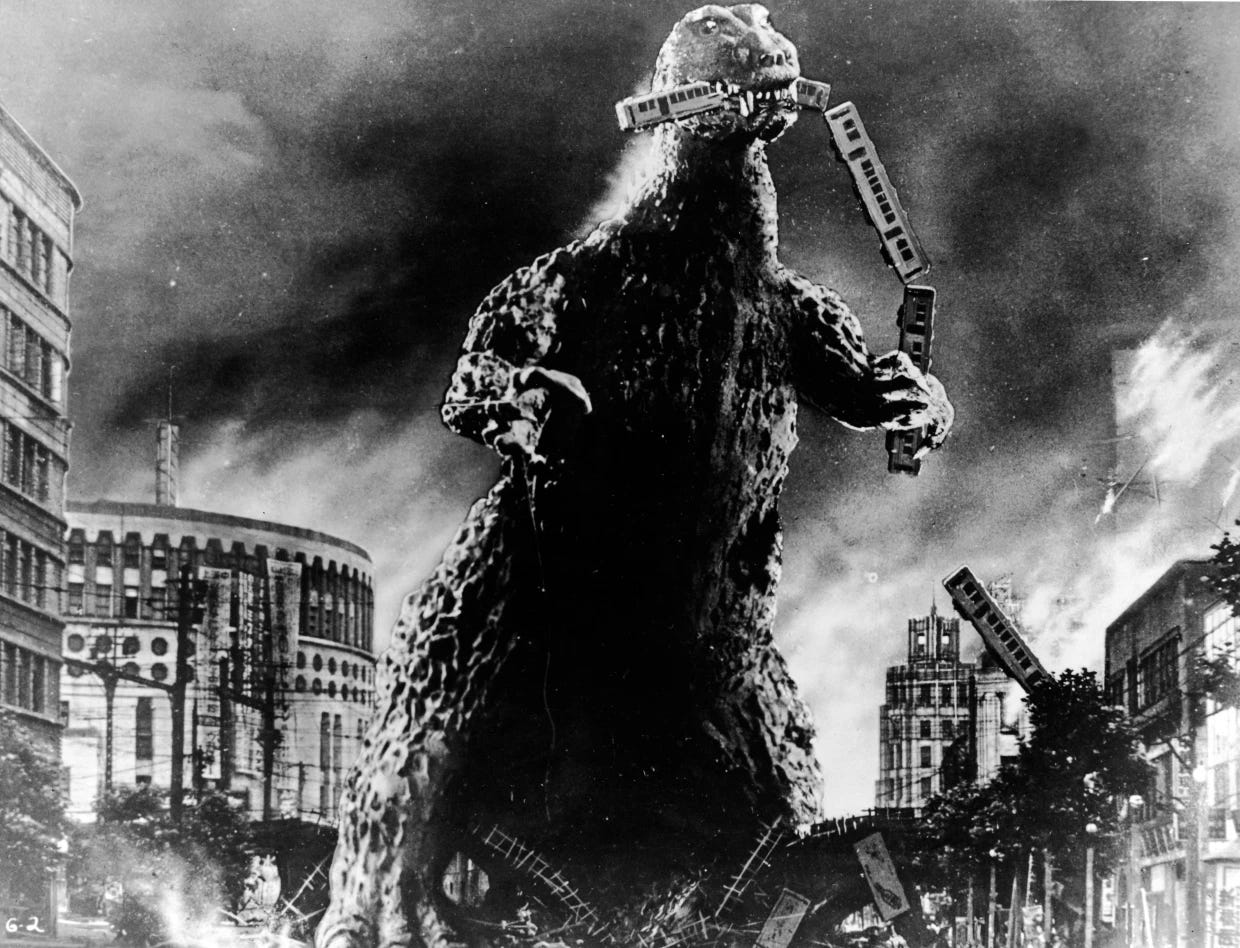
“The Era of Immortality Is Here” — The Dispatch
I’m no Luddite, but the rapid adoption of AI technologies without any concern for their long-term societal consequences greatly disturbs me. In this piece for The Dispatch, I dove into the implications of companies “reviving” everyone from dead celebrities like Stan Lee to your own grandmother via AI and why this digital necromancy raises serious ethical issues. We’re only at the beginning of the tunnel, but at this rate there will be no end.
“Conservatives, Stop Bashing Video Games” — The Dispatch
Another article I wanted to write for a long time, but my pitch ironically got rejected by the very outlets whose readers I aimed to address. This only proves my central thesis: conservatives need to stop dismissing video games as a waste of time. Thankfully, The Dispatch was gracious enough to let me say my piece on why gaming is now becoming the dominant form of entertainment. Much of the political right apparently has a problem with this with how they frame video games and those who play them as some boogeyman responsible for all of society’s ills. That could not be further from the truth, but judging from the mostly positive responses I got, I’m confident that the general public’s perception of video games is changing for the good.
What I watched
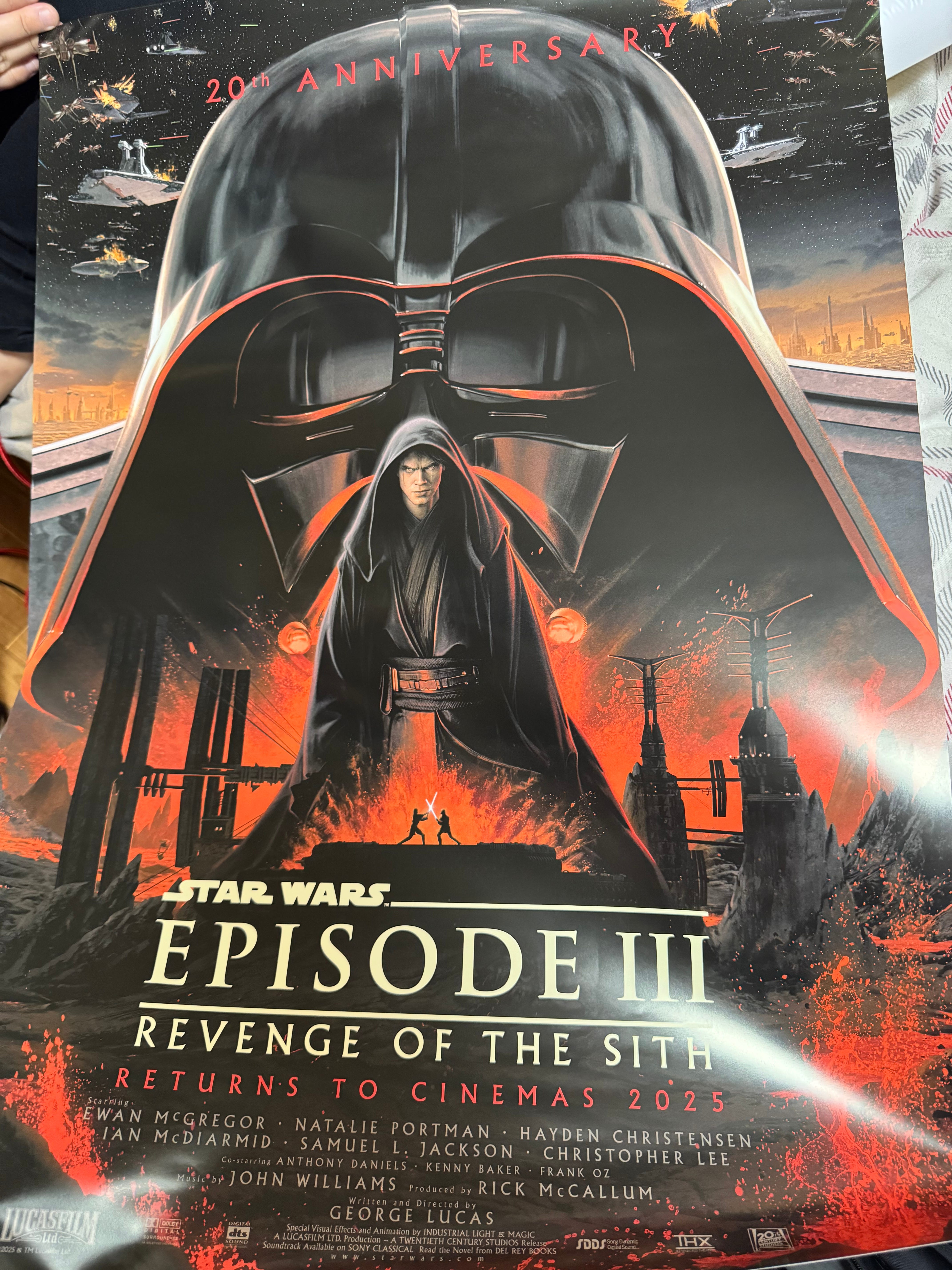
Believe it or not, I thought 2025 was generally a better year for film than 2024. While Hollywood is still doing a ton of things wrong, they seem to currently be in a state of self-reflection after how much the pandemic and the SAG-AFTRA strikes affected their bottom line. I don’t think Netflix’s purchase of Warner Bros. Discovery will be good for the industry, but that’s currently too far away for us to really know what the consequences will be.
Regardless, I ended up going to the cinema almost every couple of weeks and saw over 200 films in total. I’ll also use this section to remind everyone that I’m active on Letterboxd where I post short reviews of everything I watch.
Honorable mentions:
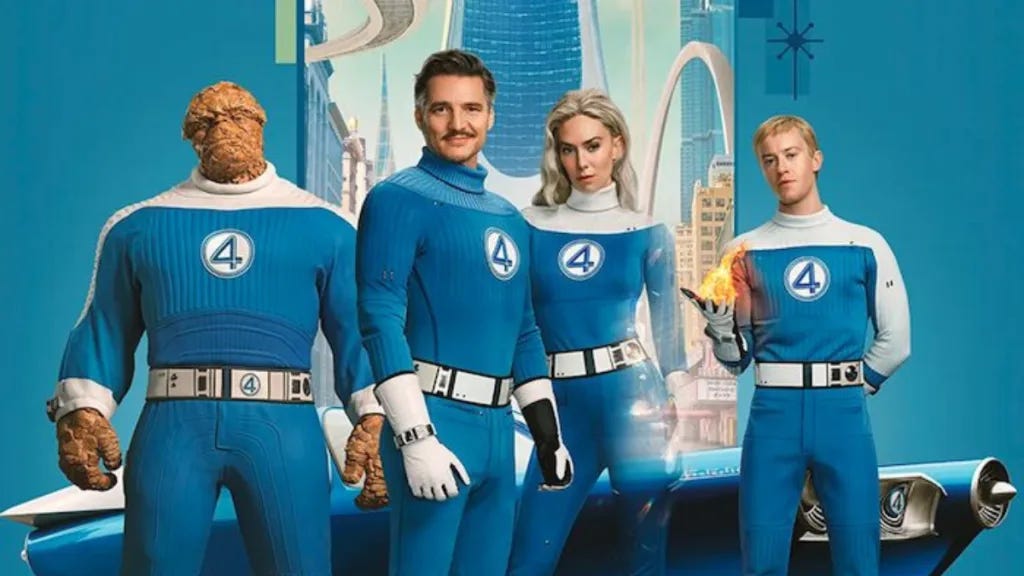
I was pleasantly surprised by Thunderbolts* and Fantastic Four: First Steps despite MCU fatigue. As I wrote in my review, Superman was fine despite my dislike of some of its creative choices. I will stick my neck out to defend TRON: Ares as an enjoyable popcorn flick that is just as silly and short on story as its predecessors even if by objective standards it isn’t a very good movie. Eddington was good, but tonally inconsistent and probably released too close to the political era it’s depicting. Predator: Badlands was fine, but this franchise along with Alien seems to have few tricks left up its sleeve. Sinners was overhyped. Here in Japan, I had a good time seeing Lupin III return to theaters via Takeshi Koike’s latest film, The Immortal Bloodline, though I’ll always prefer the more lighthearted stuff instead of its darker and grittier direction. Suzuki=Bakudan is a police procedural you’ve probably never heard of based on a bestselling novel you’ve also probably never heard of. Surprisingly thrilling and well-acted.
Late releases in Japan:
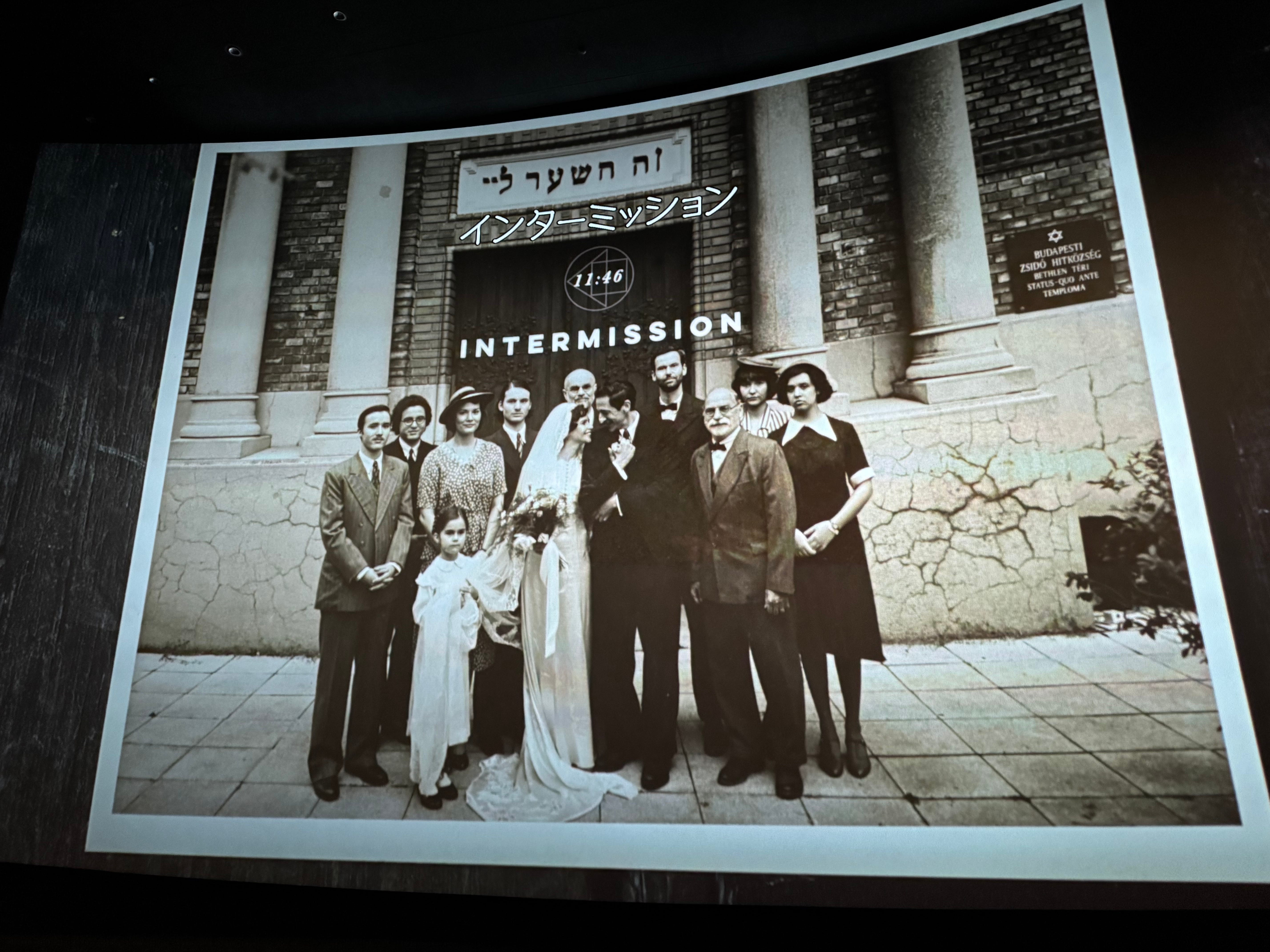
Japan often gets a lot of 2024 films later than the rest of the world, so I was late to the party on these. The Apprentice was a surprisingly poignant examination of Donald Trump’s rise before he became president and easily Sebastian Stan’s best performance of his career so far. September 5 is a thrilling dramatization of the 1972 Munich massacre and an effective tribute to old school analogue journalism. The Brutalist won’t be everyone’s cup of tea, but Brady Corbet crafted a labor of love that pays homage to the best Hollywood epics and Adrien Brody deserved his Oscar. Nosferatu is a gorgeous update of Dracula. I liked Wicked despite generally not watching musicals and finding most of the cast rather annoying. I have no desire to watch The Substance again because of how disgusting it is, but it’s undeniably well-made and acted with its uncomfortable depiction of how we inevitably all lose our beauty with age.
TV shows I watched:
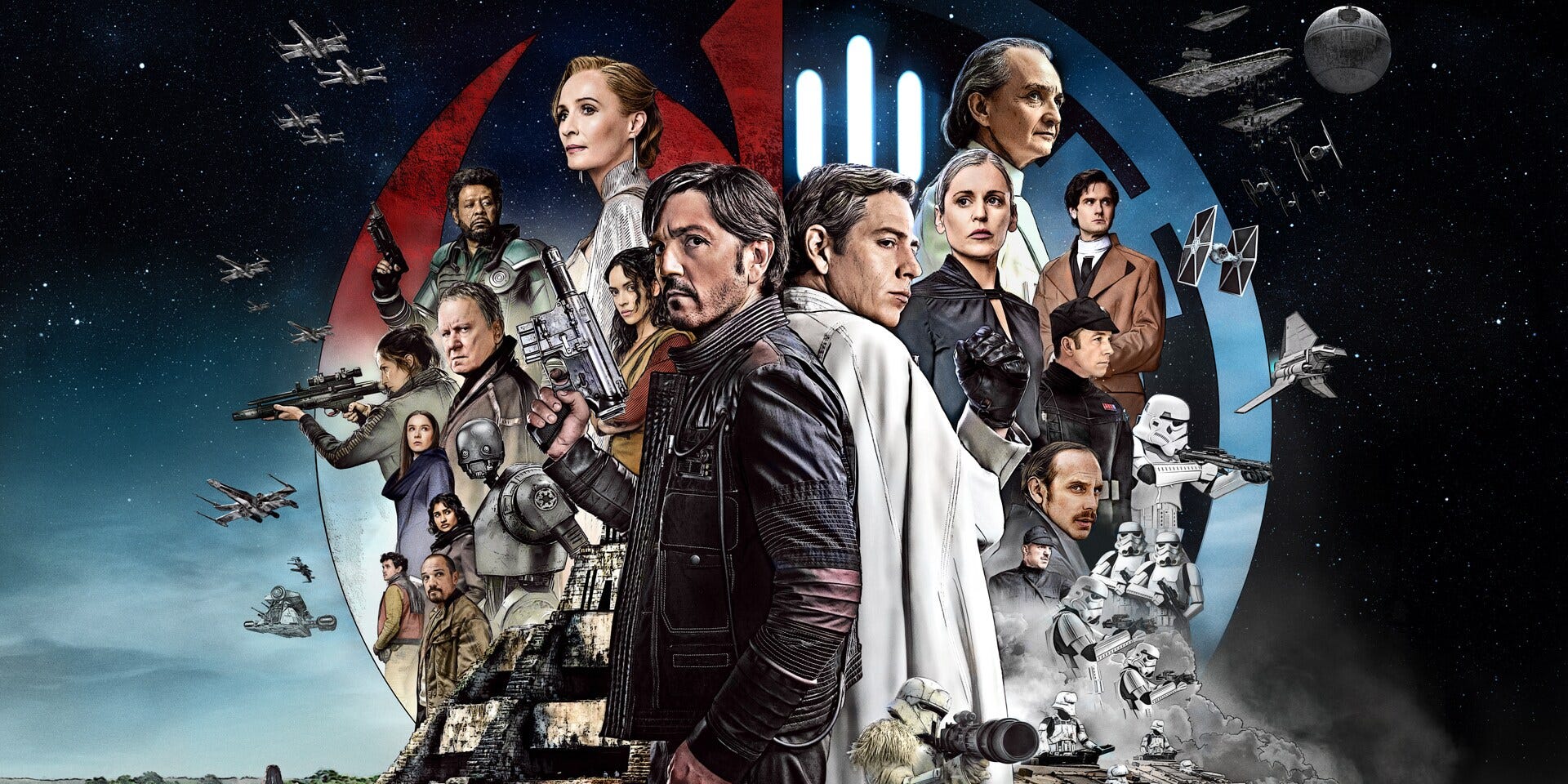
Not a huge TV guy due to the time commitment it usually takes, but Season 2 of Andor was easily one of the best things I’ve watched in a long time. See my review here. I also caught up on The Sympathizer (it’s better than the book because it cuts out the fat) and The Penguin (this somehow ended up as one of the best shows based on a comic book ever made). I also watched The Hollow Crown (it starts off as a good modern adaptation of Shakespeare, but becomes too disjointed by the end) and Das Boot (slow, but very effective). I’m currently showing my wife Monty Python’s Flying Circus for the first time, which surprisingly has a full Japanese Blu-ray release. The people who handled the translation of that series deserve a medal.
My top ten films of 2025:
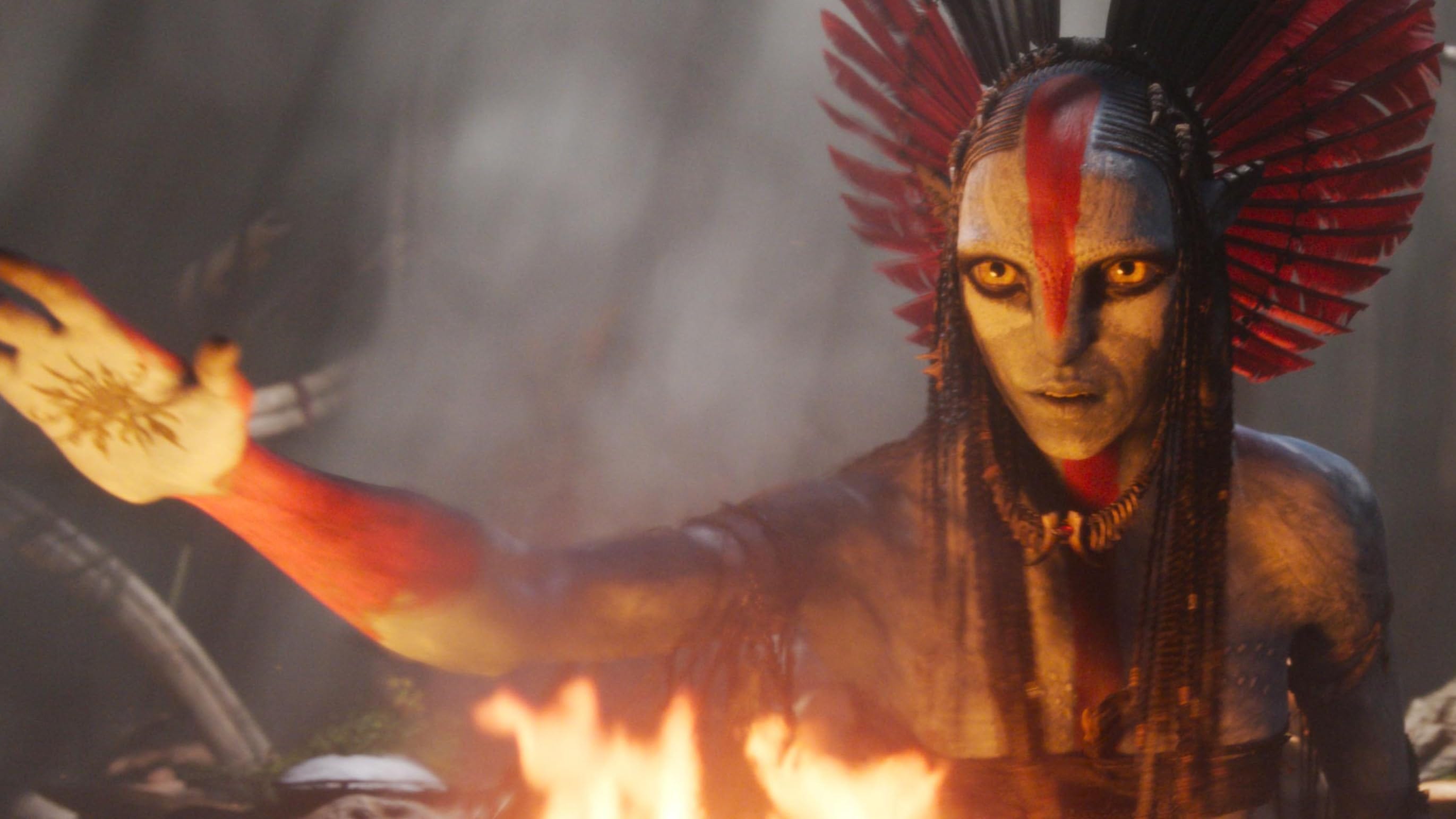
Avatar: Fire and Ash — Dammit James Cameron, I want to hate your Avatar films, but I just can’t. They’re too beautifully made for me to be that bothered by their shallow stories and rather dull characters. Maybe I’ve succumbed to key-jangling, but I don’t think so. This was easily among the best experiences I had in a cinema all year and I appreciated its earnest themes around family (a rarity in Hollywood these days), so it sneaks into the top ten at the last minute. Well-played, Jimbo.
Bullet Train Explosion — Being a legacy sequel to The Bullet Train released in 1975, this has to be one of the longest gaps between two films. The original starring Ken Takakura, Sonny Chiba, and a huge cast of other major Japanese actors of the 1970s is a classic here, but sadly not so well known overseas. That’s a shame because Bullet Train Explosion is widely available via Netlfix and is greatly enhanced if you see it after its predecessor. It’s fascinating watching both to see how much Japan has changed over the last 50 years. Thrilling action and a compelling plot with some decent twists makes this one worth a look.
Ballerina — The John Wick spin-off I never knew I wanted. Similar to how Furiosa was sadly overlooked in relation to the greater Mad Max series, it definitely is not “woke” pandering or an inferior version of what came before. Ballerina adds more interesting lore to its established world, Ana de Armas did a good job as Eve, the Keanu Reeves cameo was entertaining, and the action is stellar.
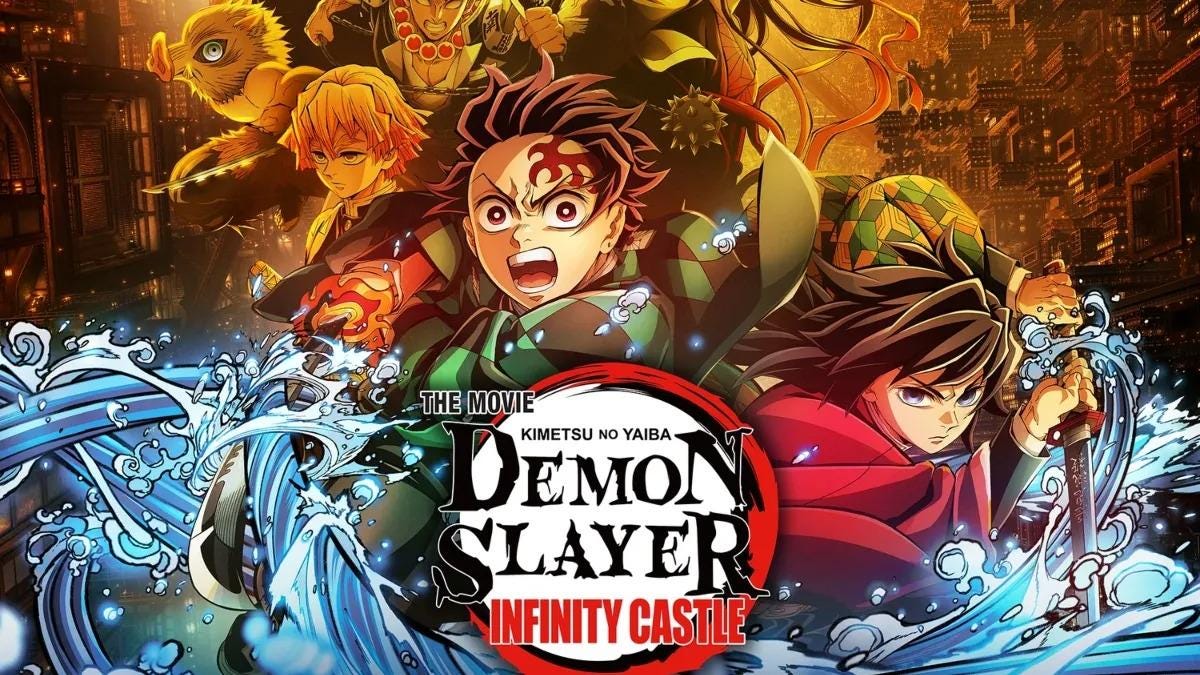
Demon Slayer: Kimetsu no Yaiba – The Movie: Infinity Castle — Could they not have come up with a better English translated title? That aside, the newest Demon Slayer was the biggest Japanese film of the year and dethroned… the last Demon Slayer as the highest-grossing Japanese film of all time. With expectedly stunning animation that never misses a beat, it did exactly what it needed to do as the big-budget adaptation of its respective manga chapter. I wouldn’t consider myself a super fan of the franchise as I always founded it to be a bit too shonen trope-y for my liking, but the incredible artwork and emotional flashback sequences won me over.
28 Years Later — You’ll either love or hate this movie, but I applaud Danny Boyle for going outside of the box instead of repeating the same ground as the previous two movies. The first half of 28 Years Later is some of the most thrilling filmmaking I’ve seen in a long time, but the second half is where you’ll either buy what Boyle is selling or kick it to the curb in disbelief. I thought about this one for awhile, but I’ve come to the conclusion that his risk paid off since it’s never left my head in the months since. The upcoming sequel, The Bone Temple, could of course throw all of that away, but either way I enjoyed returning to this universe, albeit in an extremely unorthodox way.
F1 — The next Top Gun: Maverick-esque summer blockbuster we all needed. Pure, unadulterated adrenaline and great fun even if you do have to suspend your disbelief a bit considering Brad Pitt’s age. I wish we could have these kinds of “dad movies” at least once every year.
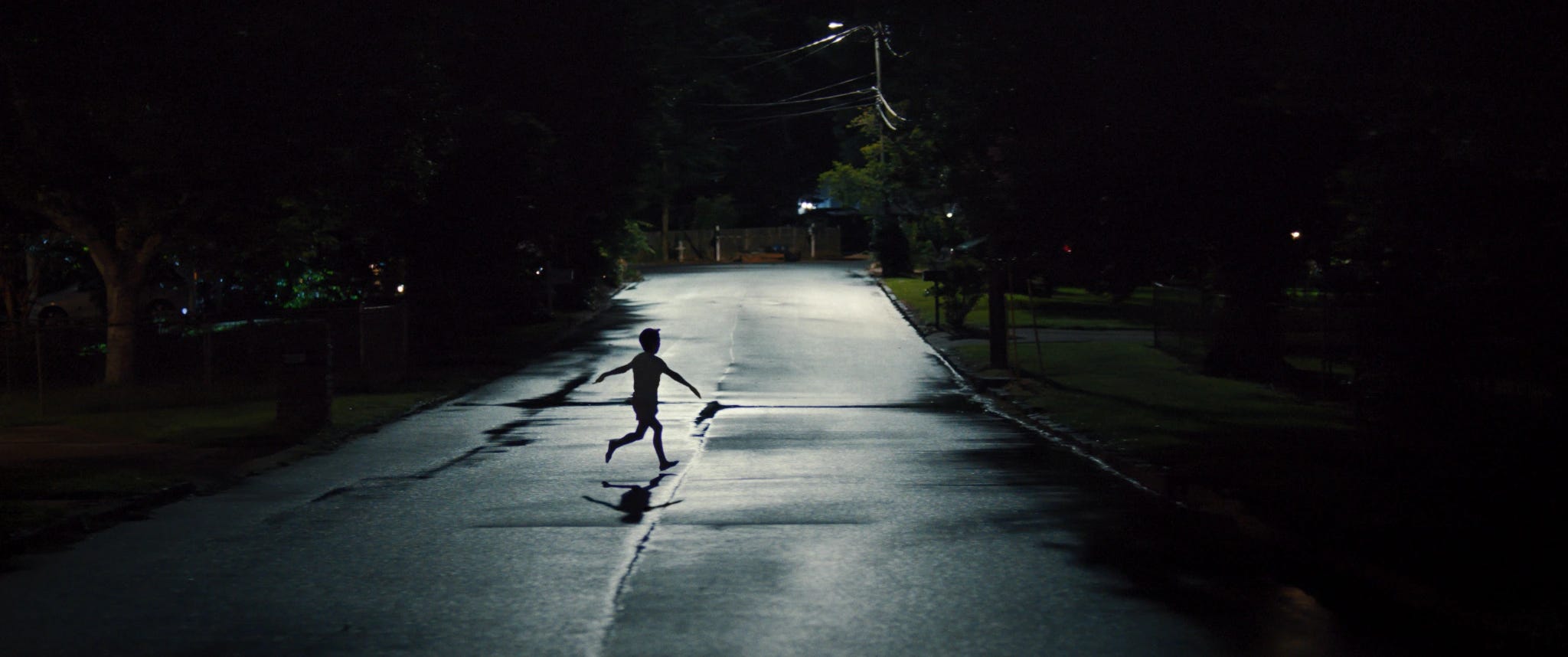
Weapons — Zack Cregger is to me inseparable from The Whitest Kids U’ Know, particularly his hilarious performance as Abraham Lincoln, but it turns out that he’s quite the accomplished director of serious stuff too. Weapons has an intriguing setup that continuously holds your attention and manages to be thoroughly creepy by the end. The less you know going in, the better. I’m not sure how that will affect subsequent rewatches of the film, but one thing’s for sure, Cregger is going places and he has a very promising post-comedy career indeed.
Black Bag — A big surprise from Steven Soderbergh who, despite being American, directed something that feels like it was ripped out of the classic era of British spy films and updated with modern technology. Michael Fassbender and Cate Blanchett are fantastic, as are the supporting cast featuring the likes of Tom Burke and Pierce Brosnan. I was reminded of a Harry Palmer film or John le Carré novel, the kind of low-key espionage story that keeps you invested purely because the writing is so brilliant. It’s a brisk 94 minutes too, being exactly the right length for this kind of narrative and never overstaying its welcome.
Kokuho — And now I’m contradicting myself with the next entry, which is a three-hour long film about kabuki theater. Now don’t go away, it’s more interesting than it sounds. Kokuho has gone on to be the biggest live-action Japanese film of the year and has sparked a ton of new interest in young people for Japan’s traditional theatrical arts. It’s an epic, sprawling story about the contrasting lives of two men who sacrifice everything to be the best of their craft while knowing that only one of them can truly be considered “the best” of all time. A lot of Japanese live-action movies these days are disposable fodder that appeal to the lowest common denominator, but works like Kokuho and other recent hits like Godzilla Minus One give the impression that things are slowly changing. Lee Sang-il is certainly among the best directors working in the industry, that’s for sure. Even Tom Cruise sang his praises of Kokuho, which gave it an even bigger boost on the international film festival circuit. Don’t miss it when it hopefully reaches a wider audience in 2026.
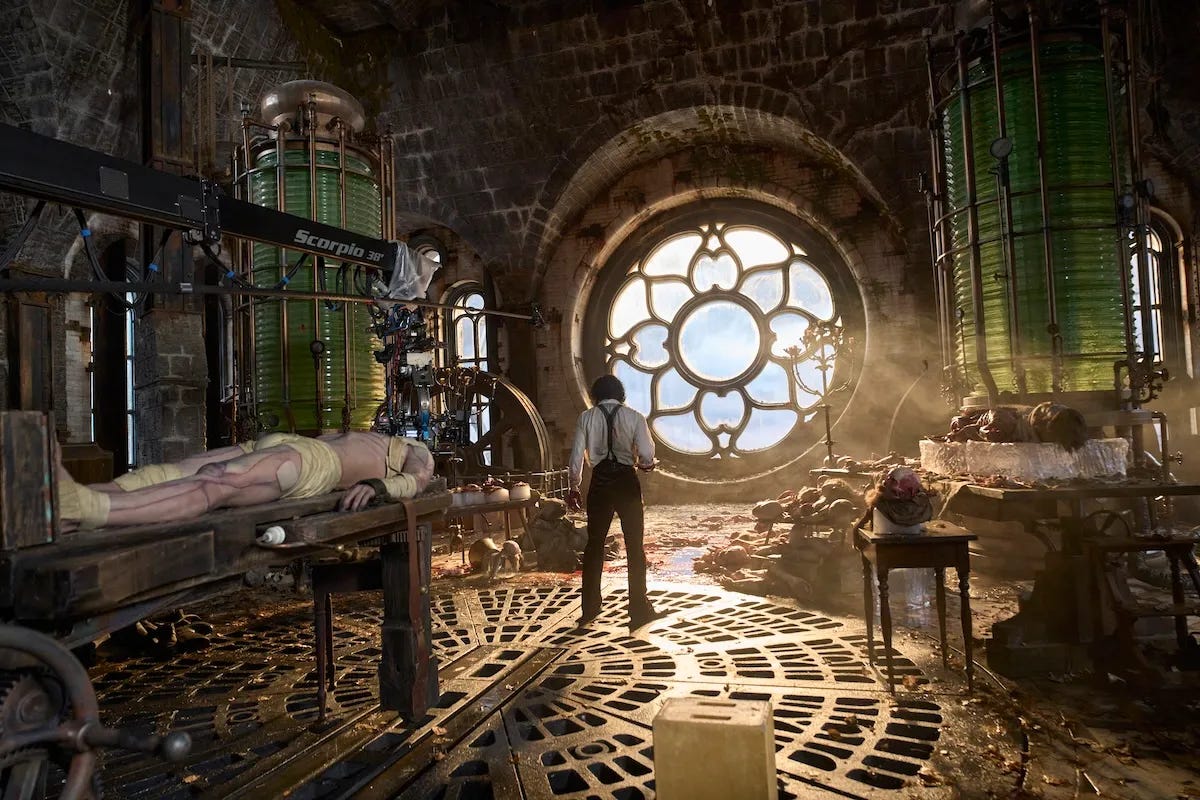
Frankenstein — Not everything he makes is a winner (I really do not like The Shape of Water), but Guillermo del Toro is responsible for my favorite film of 2025. His take on Frankenstein is one of the most frustrating stories of development hell in Hollywood history, and it ironically took Netflix to step in for it to get made at all. For all the things you can criticize the streaming giant for, sometimes they really do put their money where it matters. In any case, Frankenstein is the film del Toro was born to make. It embodies every theme he has explored in his career, particularly the fine line between monsters and men. While there are notable diversions from Mary Shelly’s novel that purists will undoubtedly take issue with, it’s the passion that counts and this film has it in every frame. Really glad that a local Kyoto cinema was playing it because the full visual spectacle of Frankenstein deserves far more than just your television screen.
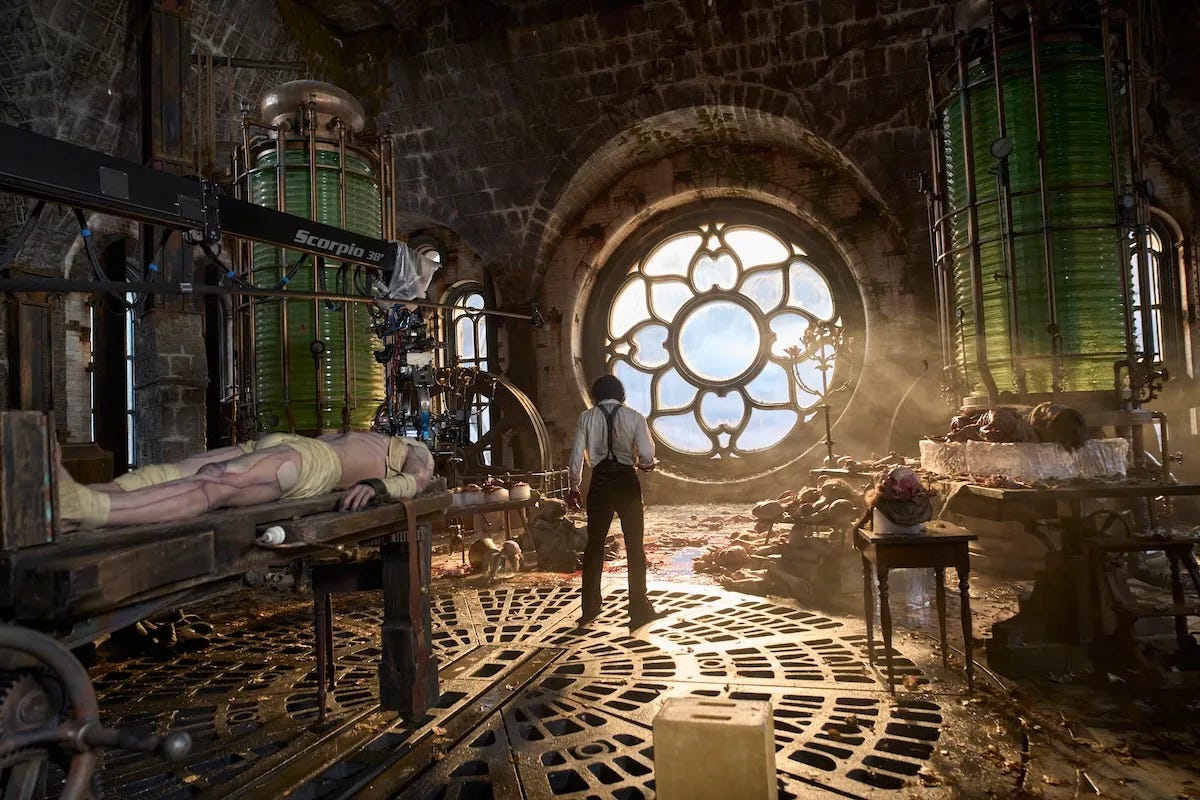
Frankenstein is a modern gothic masterpiece.
Films I watched for the first time in 2025:
The Lost City of Z (2016) — Based on the incredible and tragic life of Percy Fawcett, this is arguably the last great classic adventure film Hollywood ever made as the genre has sadly largely become cast aside. Be sure to read the book by David Grann for the full story.
The Pianist (2002) — As someone whose father survived the Cultural Revolution by being a musician and given my own lifelong interest in Holocaust history, The Pianist had me hooked from start to finish. This is rightfully considered one of the greatest films ever made.
Loving Vincent (2017) — One of the most breathtaking and painstakingly drawn animated films that shocks you with every frame with its artistry. Damn shame that it’s overlooked and modern viewers will mistake it for AI due to the motion.
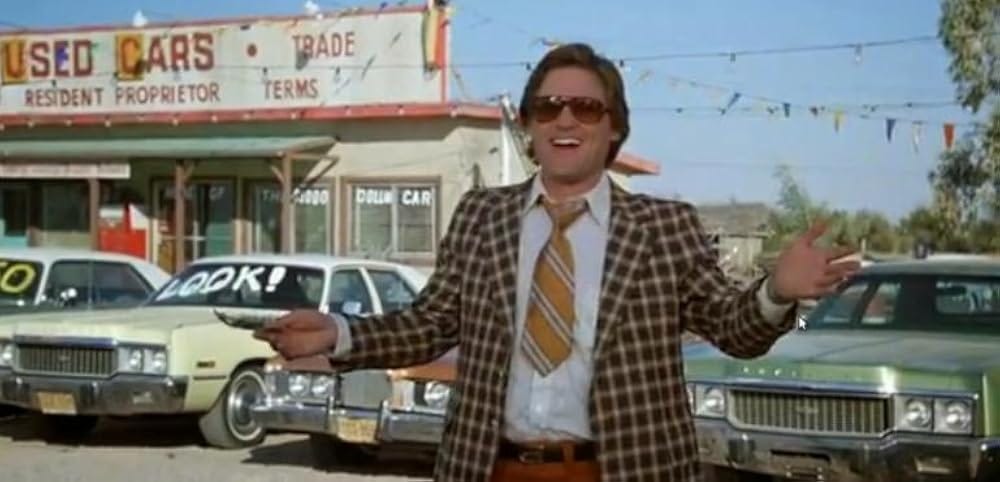
Used Cars (1980) — Very underrated comedy starring Kurt Russell that is absolutely ingenious with every joke setup and conversation.
Speed (1994) — Yes, it’s often made fun of as “The Bus That Couldn’t Slow Down” starring Keanu Reeves, but Speed is one of the top thrillers of the 1990s for a reason. Despite only watching it for the first time this year, by reputation I always viewed it as a loose remake of The Bullet Train given the near-identical premise save for the vehicle used. Jan de Bont was friends with Ken Takakura, so I’m sure he saw it for inspiration. Disappointing he only had a very limited directing career after Speed.
Michael Clayton (2007) — Got around to this one because of Andor and just like that incredible show, watching Michael Clayton proves why Tony Gilroy is one of the greatest writers working in Hollywood today. All the parts come together perfectly by the end like a grand symphony.
Conspiracy (2001) — One of the most disturbing films ever made about the Nazis and the Holocaust despite not a single scene of bloodshed actually shown. Given everything that’s happening in the world today around antisemitism, Conspiracy needs to be seen by everyone to show how slaughter on a massive industrial scale was brought to reality.
The Naked Gun (1988) — Yes, it took me this long to see it and the other sequels with Police Squad. You already know why The Naked Gun is a classic. Even subtitled in Japanese, which is its own mindblowing achievement given the material, my wife couldn’t stop laughing with me.
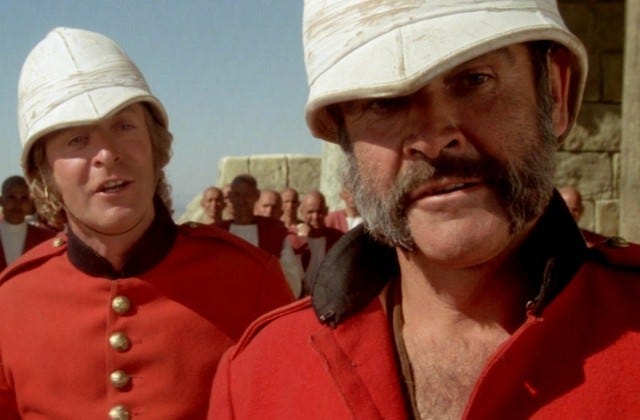
The Man Who Would Be King (1975) — A “they don’t make them like they used to” adventure film produced during a time when even back then they weren’t making them like they used to. John Huston directs like he’s making a matinee thriller from decades prior, but that old fashioned spirit of heroism mixed in with the subtle cynicism of the 1970s makes The Man Who Would Be King truly special. Probably the best performances of Michael Caine and Sean Connery’s careers.
Always: Sunset on Third Street (2005) — Essential viewing if you want to understand where Takashi Yamazaki got his influences for Godzilla: Minus One. Always: Sunset on Third Street and its two sequels are postwar Showa-era Japan encapsulated as an intentionally idealistic and nostalgic trilogy. It’s unfortunately not so well-known overseas, but the Japanese Blu-rays contain English subtitles. Worth tracking down for sure.
Gods and Monsters (1998) — A rare biopic that shows the twilight years of someone who worked in Hollywood at the beginning of the 20th century, yet is still around to see the rapidly changing modernity around him long after his relevancy has passed. James Whale was a fascinating director, having been openly gay during a time when such things were unheard of in the film industry. Yet because he was responsible for Frankenstein and other hits, his work was championed by studio executives. One of Ian McKellen’s best performances, which can also be said for Brendan Fraser in a very underrated early role.
The Mummy (1999) — Speaking of Brendan Fraser, I finally got around to watching The Mummy trilogy. All of them are entertaining, yes I’ll even defend the third one to a point, but it’s really the first that everyone remembers and speaks highly of. Hollywood, please bring back the traditional adventure film. None of that horrible Indiana Jones and the Dial of Destiny crap.
A Room with a View (1985) — The positive inverse to Barry Lyndon’s pessimistic commentary on class divides in British society. Like Kubrick’s period piece, this is an utterly gorgeous film where every frame is a painting. Everyone here is fantastic, whether it’s Denholm Elliot and Maggie Smith as the stalwart veteran performers, or the then-up and coming young talent like Helena Bonham Carter and Daniel Day-Lewis. It’s also a rare leading part for Julian Sands, one of my favorite supporting actors who sadly died a couple of years ago in tragic circumstances.
There Will Be Blood (2007) — Yes, another classic I put off for too long. Daniel Day-Lewis’ performance lives up to the hype as one of the best of the century and Paul Dano is great no matter what Quentin Tarantino tells you. While a very good film, it is largely carried by the acting and not the script itself which I found somewhat barren. There Will Be Blood is not among my favorites at this stage, but I definitely respect and acknowledge its place in the canon.
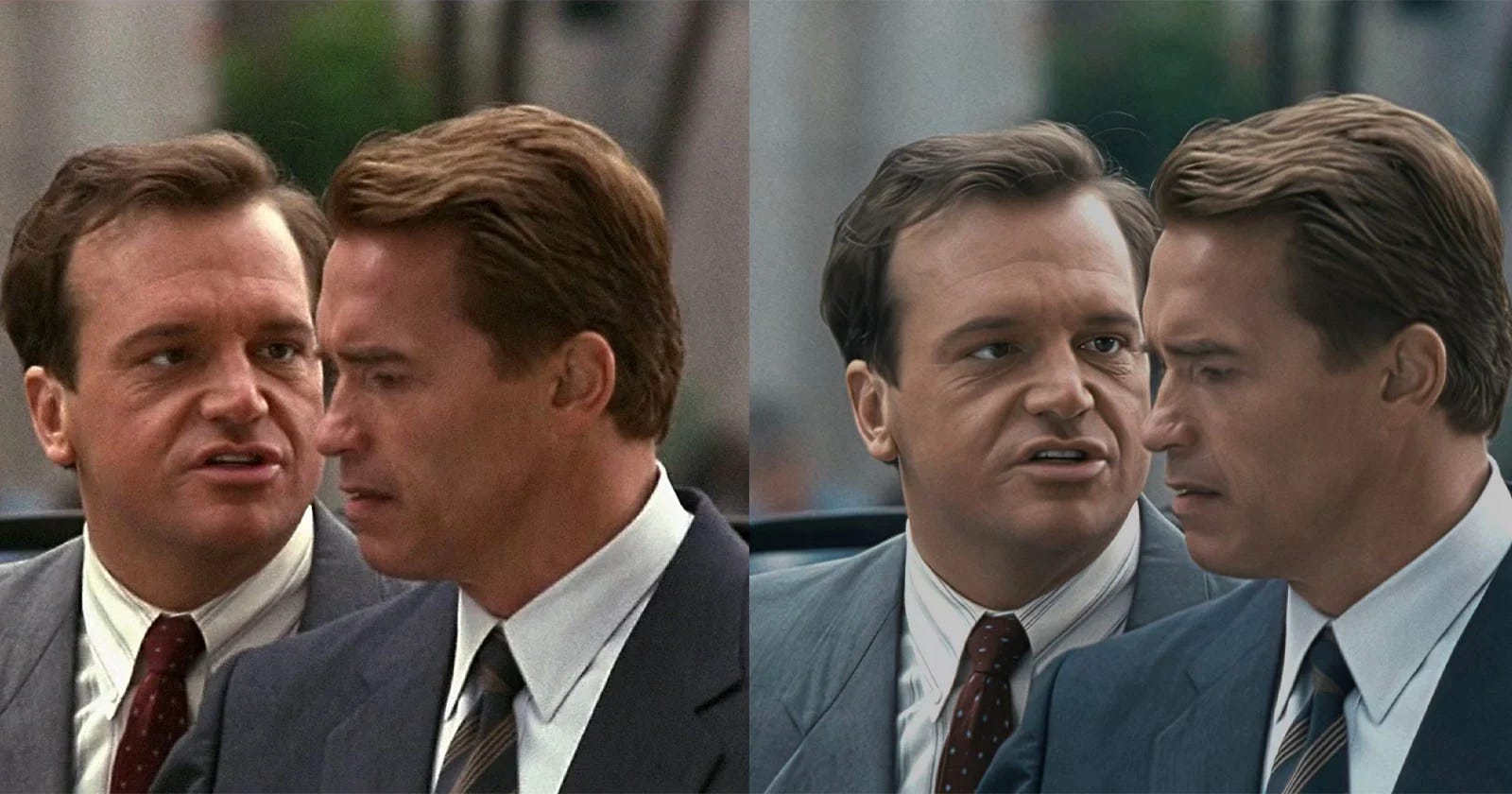
True Lies (1994) — James Cameron’s last low stakes film before he became a director of absurdly expensive blockbusters, possibly for the rest of his life at this rate. Arnold Schwarzenegger and Jamie Lee Curtis have great chemistry of course, but True Lies sticks out to me as emblematic of when Hollywood action films could still be funny. And not in a constant ironic winking to the audience either. I hope we can one day see movies like these again where the silliness and camp are embraced, not discarded.
What I listened to
Wham! — Listened to their music peripherally for years due to “Last Christmas” and “Careless Whisper,” but checked them out properly for the first time this year. Despite their popularity back in the day, many forget they only had three studio albums. Not deep by any means, but fun pop regardless.
Al Bowlly — One of the most underrated crooners who set the groundwork for more well-known singers like Dean Martin and Frank Sinatra. Most know him best for “Midnight, The Stars and You,” which provided the haunting ending piece for Stanley Kubrick’s The Shining. “Be Still My Heart,” “Close Your Eyes,” and “Guilty” are some of his other hits. It’s very old timey music by today’s standards, but succeeds at transporting you to a different era of more musical innocence. Due to age, most of his discography is in the public domain so it’s easy to find.
Chet Baker — Jazz heads like myself know Baker’s music well, but he sadly doesn’t have the same household name status among the public today like Miles Davis or John Coltrane. “You Don’t Know What Love Is” has seen a resurgence because of its appearance in Cyberpunk: 2077 so perhaps there’s some hope. Baker was an accomplished vocalist, but check out his excellent covers of jazz standards like “Autumn Leaves,” “Tangerine,” and “Have You Met Miss Jones?” for a taste of his stellar trumpet skills.

Nikolai Rimsky-Korsakov — I constantly listened to “Scheherazade” throughout the year while working and studying. I think it’s one of the most accessible pieces of classical music ever composed and in many ways is an early precursor to film scores with its adventurous themes and approach to melodic storytelling. Many great versions, but I’m partial to the Berlin Philharmonic recording with Herbert von Karajan.
Dimitri Shostakovich — Another one of my favorite Russian composers. Shostakovich’s seventh symphony is another stalwart entry of my work and study playlists. Leonard Bernstein’s recording with the Chicago Symphony Orchestra is legendary.
Leroy Anderson — “Sleigh Ride” is arguably the best holiday song ever composed because its longevity lasts far beyond Christmas and into the general winter season. Leroy Anderson was the king of light orchestral music with so many wonderfully crowd-pleasing compositions. “The Typewriter” is another classic, while “The Penny-Whistle Song” is a good example of Anderson’s penchant for memorable, feel-good melodies. The album Orchestral Favorites with Richard Hayman and His Orchestra comes recommended.
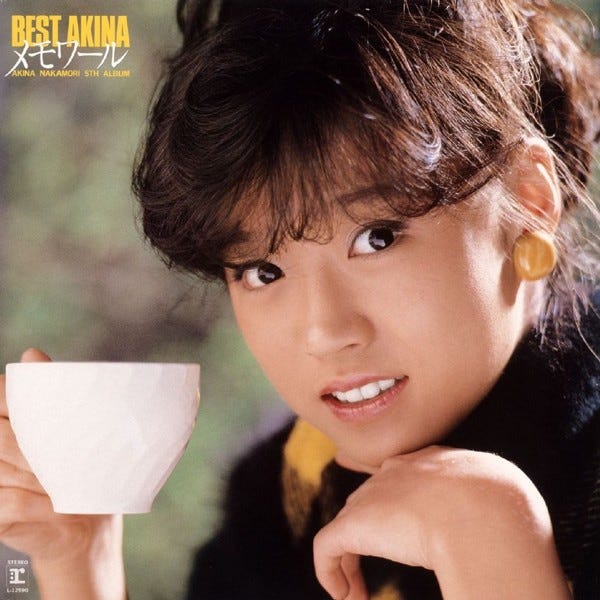
Akina Nakamori — One of the greatest J-pop queens of the 1980s. Her earliest work was closer to classical kayokyoku ballads, while she later took on a more “bad girl” image with her fashion and musical choices. “Joken Hansha,” “Into the Azure Night,” “Shojo A,” and “Jukkai” are some of my favorites and they’ve also provided good upbeat material for my jogging playlists.
Dead Kennedys — Playing the original Tony Hawk’s Pro Skater for the first time naturally exposed me to some of the best musical acts of the 1990s. Apart from “Superman” by Goldfinger, which is basically the franchise’s anthem, I particularly enjoyed listening to the Dead Kennedys. “Police Truck” is great, while “Holiday in Cambodia” is something relevant for every age of clueless college campus activism. It might surprise you that I enjoy such edgy music given the other selections on this list, but I’ve always had wide tastes.
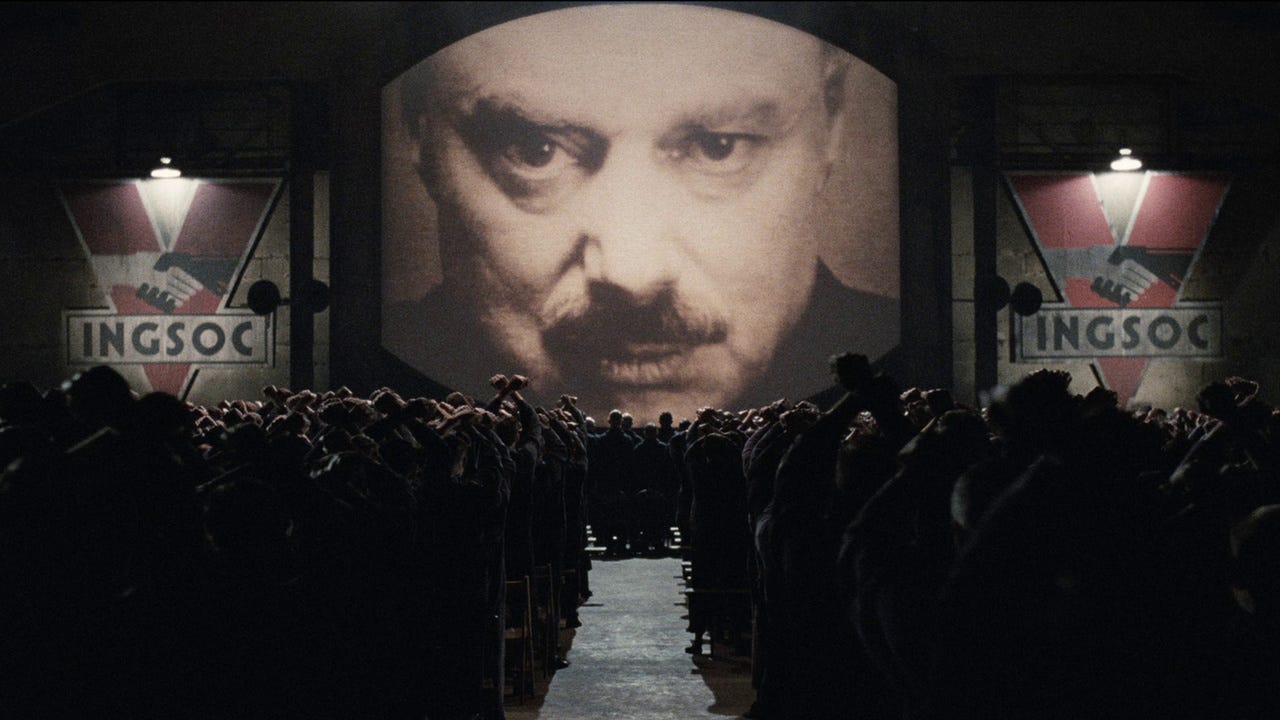
Eurythmics — This year I rewatched Nineteen Eighty-Four, the underrated cinematic adaptation of George Orwell’s dystopian novel. It’s exactly what I’d imagine the book brought to screen to look like. What stood out to me this time apart from its incredible visual language was the haunting soundtrack by Eurythmics. It’s pretty amusing in retrospect that a song like “Sexcrime” was played in the discotheques given the original source material, but “For The Love of Big Brother” is my favorite track on the album. With the film having actually been released in 1984, I view it to be a fascinating bridge between the era Orwell lived in to the modernity we find ourselves in now.
A Single Man — I watched this moving 1960s period drama starring Colin Firth at the end of 2024. It’s equally stunning soundtrack stuck with me throughout 2025. Abel Korzeniowski composed the majority of the score, but it also features contributions from Shigeru Umebayashi, who is probably best known today for Ghost of Tsushima. Korzeniowski’s “Stillness of the Mind” gives a taste for the lush orchestrations that appear throughout the album, while Umebayashi’s recurring motif for the protagonist features prominently. It’s a film and score I hope more people check out.
Clair Obscur: Expedition 33 — Haven’t played the video game enough to form an overall opinion yet, but I was immediately a fan of the music. The whole score over eight hours long, yet it’s remains of consistent quality with full orchestrations for the most important moments. Not to mention it’s completely free on YouTube! Hopefully I can give Clair Obscur a proper playthrough once I’m done with my doctoral program.
What I read
Last of the Blue and Gray by Richard A. Serrano — Fascinating book on the last Civil War veterans who lived well into the 20th century. It illustrates how memory of the conflict changed as all those who participated passed away, but it’s also about the countless fraud cases of old men pretending to be veterans for benefits.
First Blood by David Morrell — Where the Rambo franchise all started. There are a lot of differences from the more famous film adaptation starring Sylvester Stallone, which makes me hope that perhaps we’ll get a more novel-accurate miniseries one day. While the prose is straightforward, it provides nuance to both sides of the story as an overall commentary on generational divide during the Vietnam War.
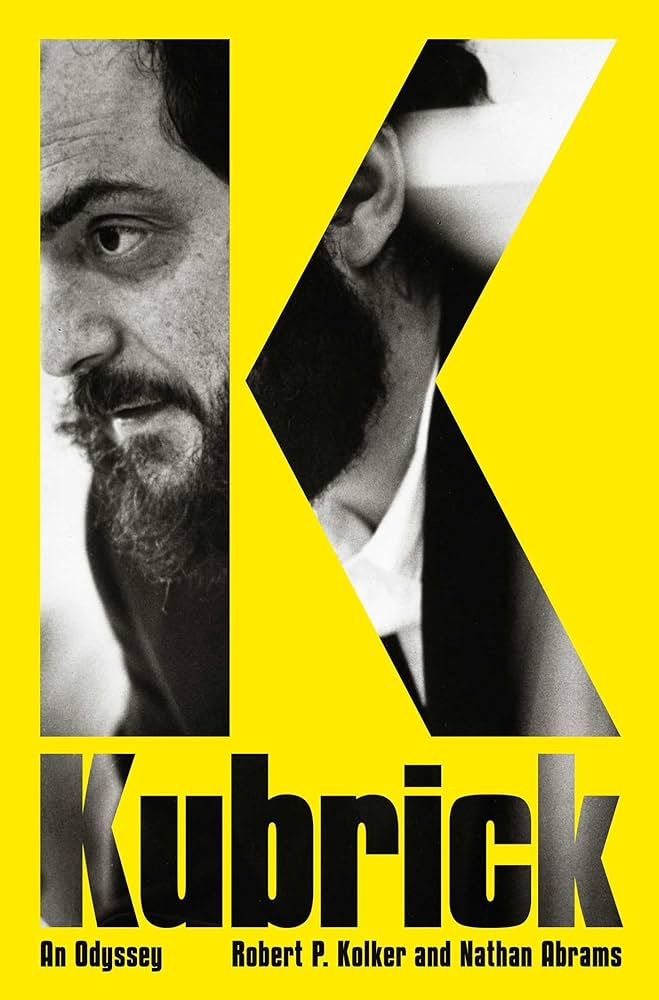
Kubrick: An Odyssey by Robert. P. Kolker — The latest and perhaps most comprehensive biography on Stanley Kubrick. Everything you could have possibly wanted to know about one of the greatest filmmakers of all time is here in addition to newly-revealed details about his life and work. Cinephiles will be very pleased indeed.
The Boys from Brazil by Ira Levin — A compelling thriller centering around a Nazi hunter who uncovers a wider conspiracy that could shake the foundation of future world events. Best to go into this one with as little prior knowledge as possible. Also check out the excellent film adaptation starring Gregory Peck, Laurence Olivier, and James Mason.
The Wide Wide Sea by Hampton Sides — A splendid biography on Captain James Cook that is equal parts an exploration of one of the most important explorers in history as it is an examination of the tragic relationship the West would have with many indigenous peoples. Sides wisely does not editorialize the facts. Cook was no monster and unlike many of his contemporaries made an active attempt to understand the cultures of the societies he encountered. You will be thrilled by the adventures on display, but also left to contemplate the complex questions this book raises.
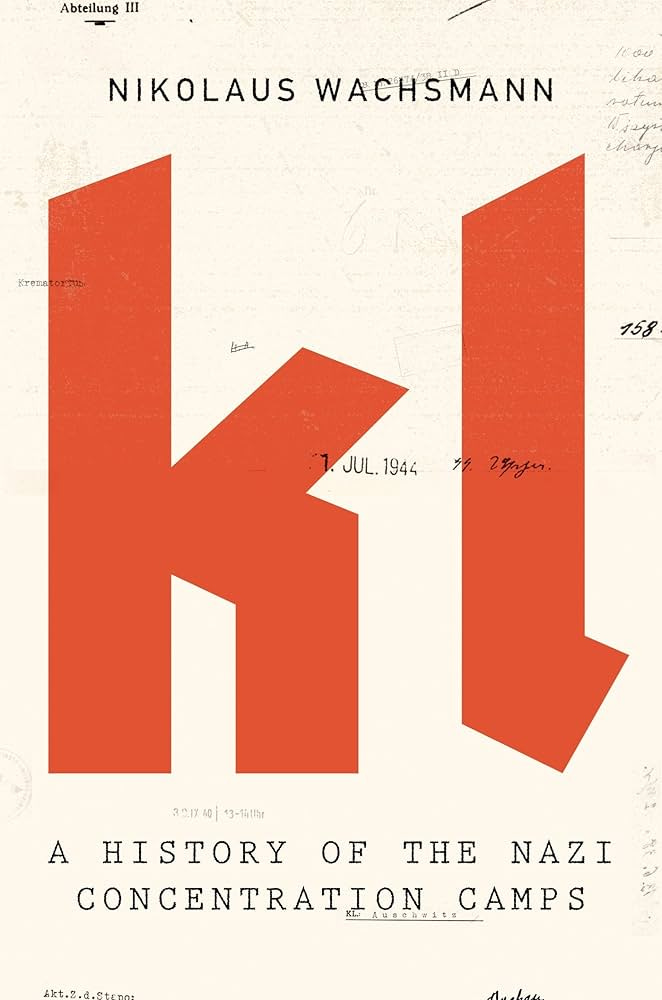
KL: A History of the Nazi Concentration Camps by Nikolaus Wachsmann — At nearly 900 pages, this is an exhaustive history of the Nazi concentration camp system and will probably be the definitive text on the subject for decades. The Holocaust is of course front and center, but Wachsmann peels back layers of history to show how the Third Reich employed campus to first imprison political dissidents and then later to attempt full-scale genocide of European Jews. I listened to the audiobook version, which is over 30 hours long, and had to space it out over a few weeks. Very difficult material that is both emotionally and mentally draining, but absolutely one of the most important books written this century.
Star Wars Legends: Tales of the Jedi Omnibus — No, not the animated series of the same name on Disney+. This is a complete collection of the 1990s Dark Horse comics taking place thousands of years before the original Star Wars trilogy. Its esoteric portrayal of the Force, the Jedi, and the Sith set the groundwork for lore that is still being used today under the current canon, but these stories are heavily reminiscent of Biblical tales with their epic scope and myth-like narratives. It’s arguably the closest Star Wars ever got to the fantasy elements George Lucas envisaged. Will do a more in-depth review in the future.
Star Wars: Battlefront: Twilight Company by Alexander Freed — Who could have predicted that one of the best modern Star Wars stories would come from a novel that’s a tie-in to a video game most people hated on launch? It probably says more about Disney’s own misguided priorities with this franchise than anything else, but Battlefront: Twilight Company comes recommended to anyone who enjoyed the likes of Rogue One and Andor. Freed tells an old-school war story that adds more lore to the events of the original trilogy and emphasizes the sacrifices made by the grunts on the ground. A shame most will probably never read it due to overall apathy toward Star Wars at the moment.
Random by Penn Jillette — A hilarious novel written by the loudmouth part of the famous magician duo Penn & Teller. More prudish readers won’t appreciate its profanity and explicit content, but if you’re already familiar with the irreverent antics of Jillette like I’ve been for years such as with their television series Bullshit!, you’re in for a swell time. The audiobook read by Jillette himself makes the material all the more laugh out loud funny.
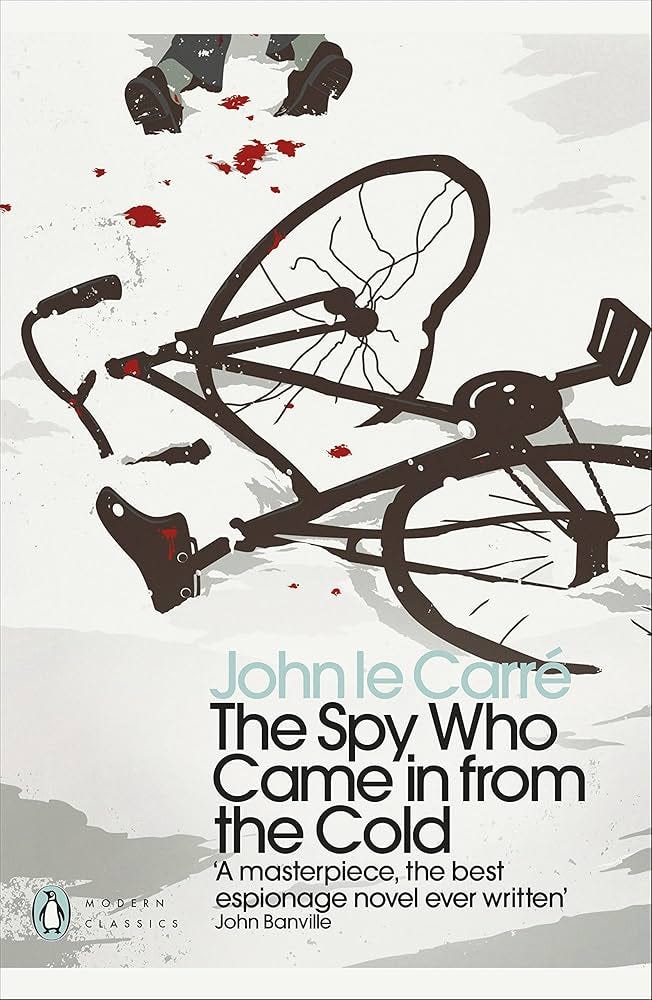
The Spy Who Came in from the Cold by John le Carré — I’ve been reading le Carré’s work for the first time. After the previous two George Smiley novels, The Spy Who Came in from the Cold is where most agree he hit his stride. It’s a darkly cynical spy thriller about the callous choices made by both sides of the Cold War that continues to be a great read even decades later. Looking forward to the rest of his bibliography.
What I played
Limbo — I replay this one every few years. Limbo is one of the classics of the golden age of indie video games. It creates a ton of effective atmosphere with so little, while the wordless story leaves room for tons of interpretation players are still debating 15 years later. Goes on sale often and it’s available on everything, so no excuse not to own it.
Tony Hawk’s Pro Skater — Played the original PS1 games for the first time. Very tough to get all the moves down correctly, but still tons of fun with a killer soundtrack. Hope to eventually play the sequels.
Scribblenauts — Was nostalgic to play this Nintendo DS classic of my childhood where you could conjure up any object (within age-appropriateness, of course!) to solve a plethora of puzzles. The concept is admittedly more interesting than its execution, but this is one of the most innovative video game concepts ever created and it provides hours of entertainment.
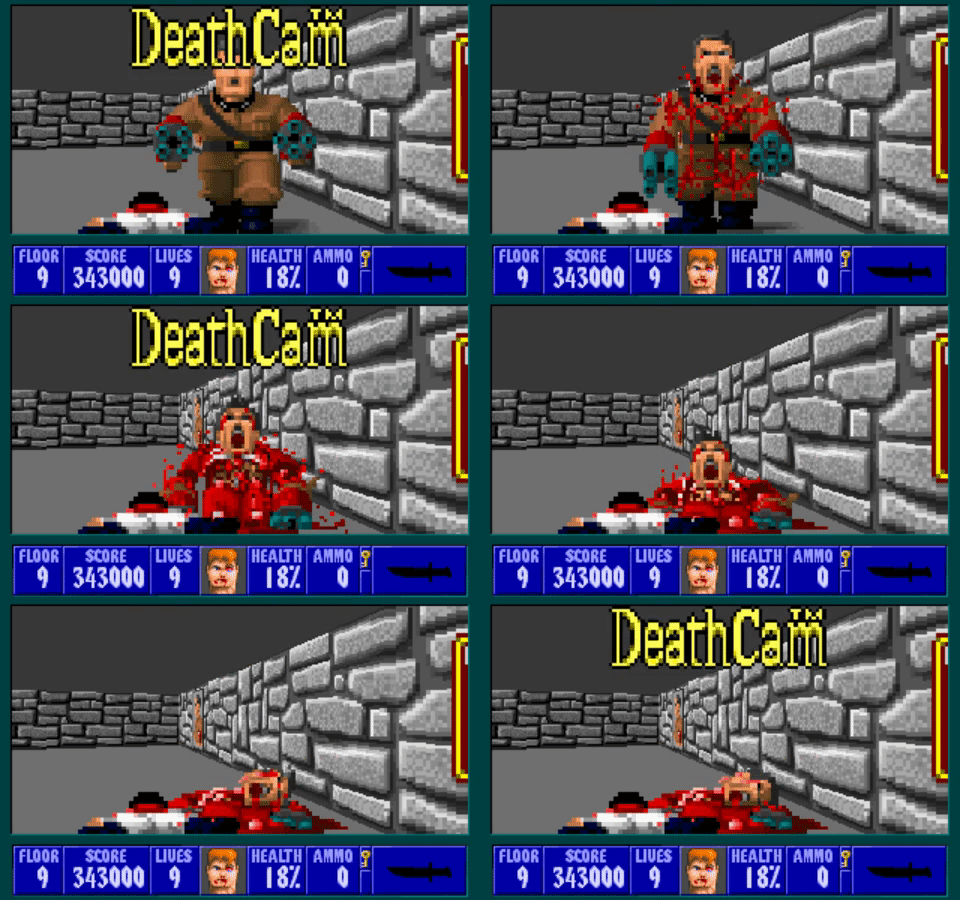
Wolfenstein 3D — Decided to replay the grandfather of first-person shooters, this time with the goal of 100% completion. I’ve only finished the first three chapters, but that was technically the full game release back in the day. Have to get to the rest and Spear of Destiny. It’s archaic and simple, but shooting Nazis never gets old. Nightdive Studios needs to give Wolfenstein 3D a full remaster because it’s long past due.
Tokimeki Memorial: Forever with You — Arguably the greatest dating simulator ever made.
Plumbers Don’t Wear Ties — Arguably the worst dating simulator ever made.
Mario Kart World — I still need to do my full write-up on the Nintendo Switch 2, but if you own the console, you’re pretty much guaranteed to have Mario Kart World. It’s not as polished or well-developed as Mario Kart 8, but that’s to be expected given how much time in the oven its predecessor got with nearly a decade of updates. World will inevitably improve and it’s already gotten better. With that said, I do wonder if this series is beginning to run out of steam. Having now done an open world, what else can Nintendo do next? An even bigger open world? As I’ll expand upon in my piece on the Switch 2, the Big N may have finally innovated themselves into a corner.
Harvester — A 1990s adventure title that’s dated in a lot of ways, but still one of the most effective commentaries on video game violence and American society’s fixation with violence as a whole. Whenever I have more time I’m hoping to do a column series on controversial video games. Harvester will definitely be one of the first I cover.
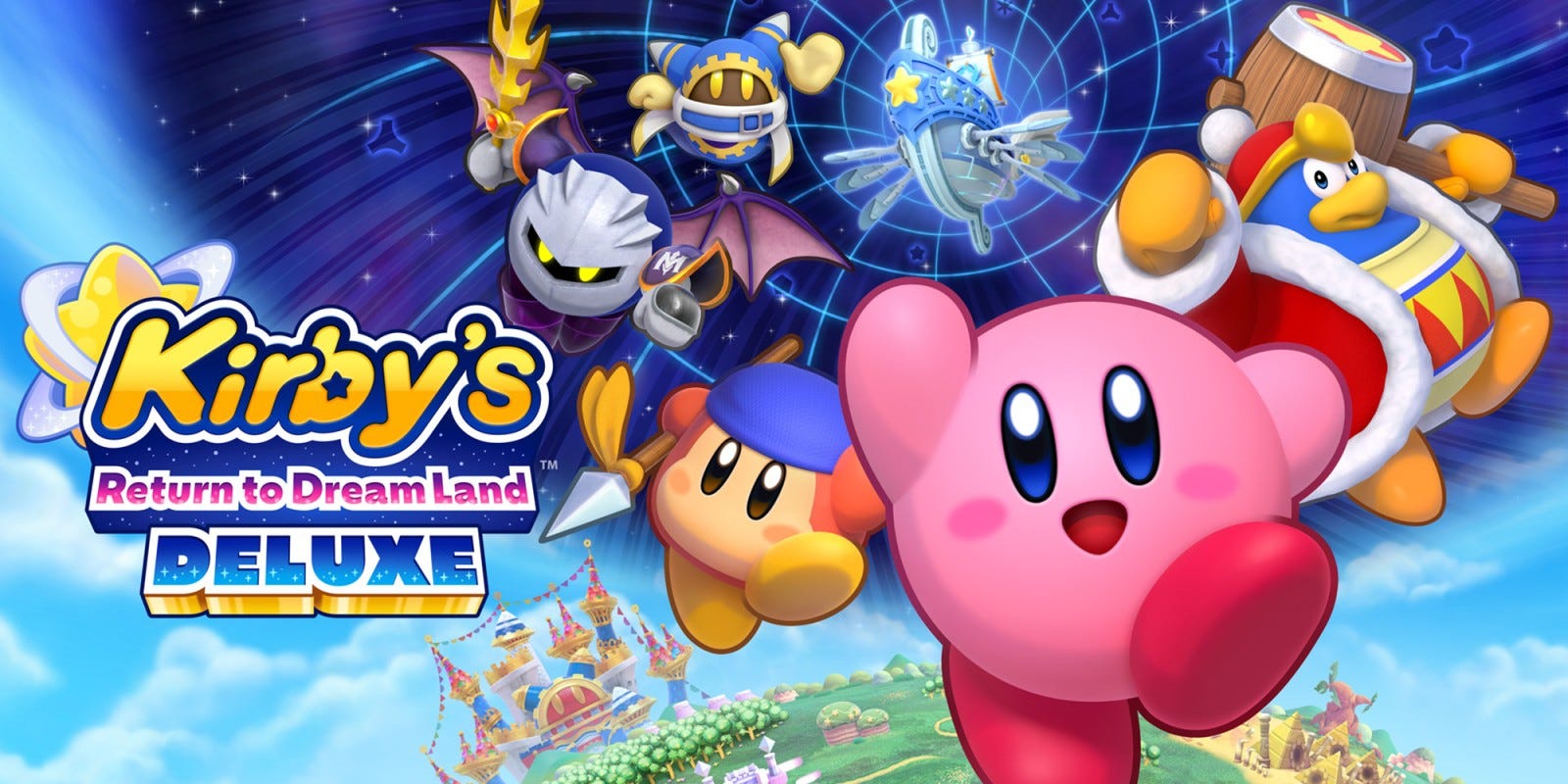
Kirby’s Return to Dreamland Deluxe — My wife and I played this one almost every day when we were visiting my family in Pittsburgh. It gives you all the fun you’ve come to expect from a standard Kirby platformer, but the multiplayer is great, the Deluxe edition adds tons of entertaining mini-games, and the later stages provide a good challenge. Needed this one after Harvester.
The Elder Scrolls: Arena — I’ve ironically not played any of The Elder Scrolls games apart from this one, but that’s because I have a penchant for starting at the beginning of franchises and I’m a sucker for archaic games. Yes, Arena is old, outdated, and for many will be a slog to play through. For me, it provides a good challenge and serves as a fascinating time capsule into the early beginnings of CRPGs. Still not close to finishing it yet, but I’m finally getting used to the mechanics and have been enjoying going on quests for loot.
Dragon Quest IV — Finally beat this one after having started it over 18 months ago. While I think Dragon Quest III is the better game overall due to pacing, this fourth entry has a ton of great stuff going for it and is particularly mindblowing considering its origins as a Famicom game. I plan on getting to Dragon Quest V in 2026, but there are a couple of other RPGs I’d like to play first.
Super Mario Sunshine — I played this sequel to Super Mario 64 on and off for over five years to reach 100% completion. Finally accomplished that horrible task earlier this month. It is indisputably the most broken game in the Super Mario franchise and never should have been released in the state it was. I love to hate it, but I will never touch Super Mario Sunshine ever again.
Foreign Perspectives is a reader-supported Substack. If you like my work and have come this far, consider opting for a paid subscription so I can continue writing in-depth articles such as these on a regular basis. Your support is greatly appreciated!