

Foreign Perspectives is a mix of free and paid content. Articles such as these are exclusively for paid subscribers, so if you enjoy the work I do, please consider upgrading to a monthly or yearly subscription. Your support is greatly appreciated and ensures that this Substack can continue to deliver high quality pieces.
Take 20% off all paid subscriptions to Foreign Perspectives via my end of summer sale here!
No country attracts the level of discussion, interest, speculation, jokes, parodies, and outright fake news quite like North Korea. There are of course plenty of other places that receive a ton of attention because of their economic influence or soft power, but the Democratic People’s Republic of Korea is fascinating because it appears frozen in an entirely different era away from everywhere else.
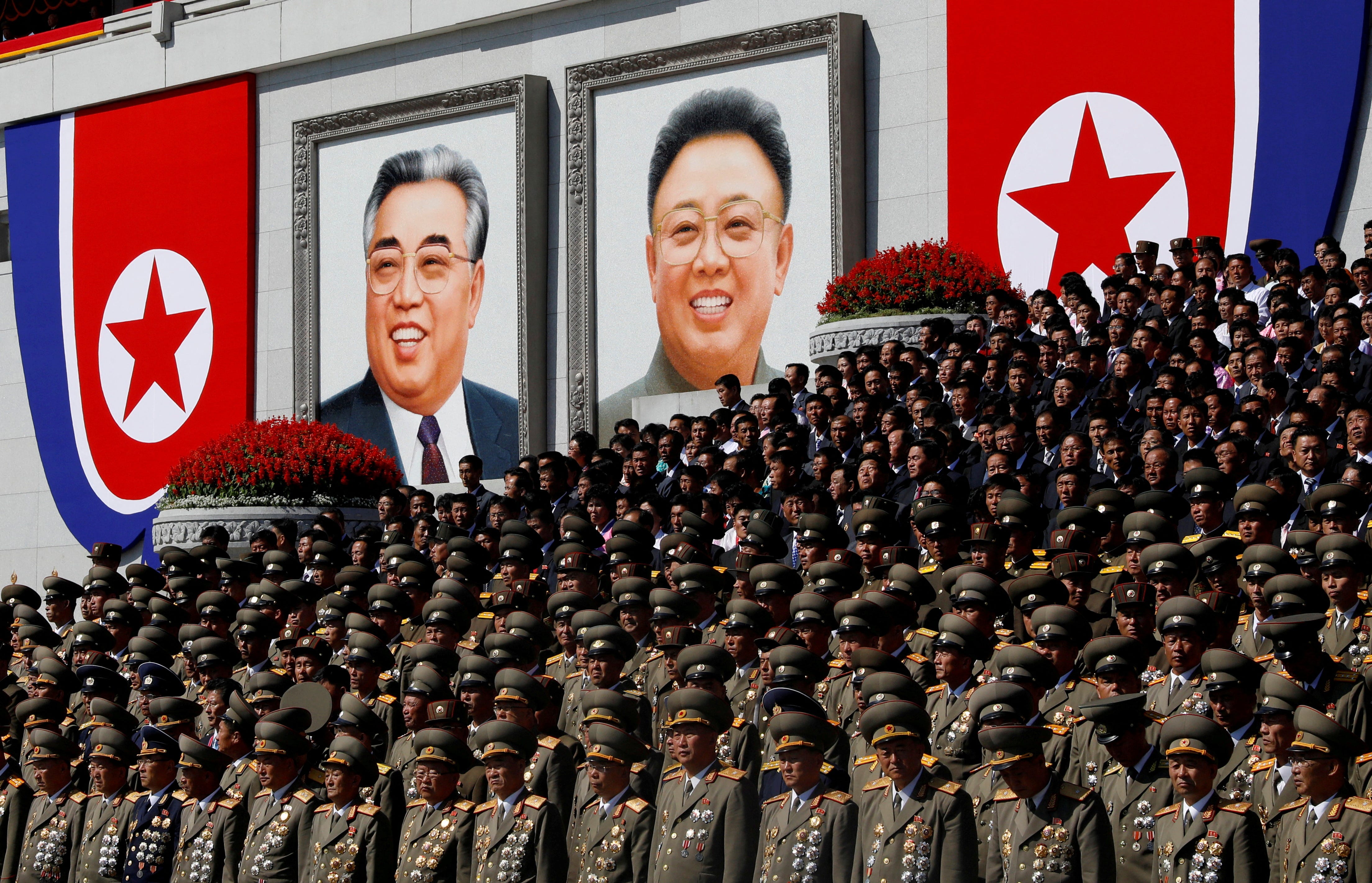
The DPRK’s existence is a direct result of Cold War geopolitics causing the division of the Korean Peninsula and that conflict never seeing a true resolution. In contrast to Germany with the fall of the Berlin Wall, the demilitarized zone has kept both Koreas permanently split. While South Korea later became a liberalized society after decades of military rule, North Korea is still run by a tinpot dictatorship that continues to lead with an iron fist after three successive generations. Unlike Iran, the North Korean people are not in a position to protest their leadership and there is little evidence of any real mobilized internal dissent that could create such conditions.
For over a decade, I dedicated my life to being a student of everything related to North Korea. The stories I heard growing up of my family’s experiences with the Chinese Cultural Revolution originally sparked my interest because the DPRK is the only society left on earth which remains comparable to the Communist Bloc. In high school, I began seriously reading every book I could get on the subject. The gravity of the human rights violations under the Kims and the tragedy of so many families separated by the Korean War are still chilling to think about long after I first learned about them. North Korea later became the central pillar of my life when I entered graduate school fully intending to specialize in geopolitical issues between Japan and the Korean Peninsula.
In part one of this column series, I wrote about dropping out of academia. In part two, I further explained why international relations couldn’t provide me a career in Japan. In this third and final part, I will now provide a debriefing on why I had to finally give up North Korean studies as well. This one especially saddens me because my work reporting on the DPRK was a big reason why I have a readership to begin with. This niche, but fascinating world introduced me to so many incredible people and allowed me to gain bylines as a geopolitical commentator at several respected outlets.
Like I wrote about IR, however, being a North Korea specialist unfortunately did not translate into something I could earn a living from. I tried my best to expand my scope to general East Asia topics and seriously considered my other options as I withdrew from academia, but to no avail. What was once a topic that truly made me feel passionate about being a journalist and researcher for almost the entirety of my 20s is now something I have to regrettably put away and move on from.
There are no jobs and I met all the experts
For a country that’s as fascinating as North Korea, you may be surprised to learn that there are relatively few specialists relative to other geopolitical conflicts. Compared to the Middle East and Russia, the pool of researchers and journalists who have spent their entire careers studying the Korean Peninsula is shockingly small.
George Bush famously included North Korea in his January 2002 State of the Union speech where he referred to the country as part of the “Axis of Evil” with Iraq and Iran. Yet in retrospect, this was mostly a throwaway line. The DPRK has largely been secondary or tertiary to other ongoing wars and conflicts the United States finds itself involved with. Sure, it definitely matters, but there are almost always bigger fish to fry. The DPRK is often subsumed by issues related to its bigger brother China, which occupies much more global airtime and focus.
North Korea is, unsurprisingly, a far greater immediate concern to South Korea due to their shared border and the fact that the Korean War itself is technically not over. Japan is also affected due to Pyongyang’s frequent missile tests and the decades-long unresolved issue of the DPRK kidnapping Japanese citizens, but these are mostly localized problems that few outside this region really think about. If you recall what I wrote in my previous two columns about academia and international relations, long-term job prospects for reporting on North Korea full-time are similarly very limited.
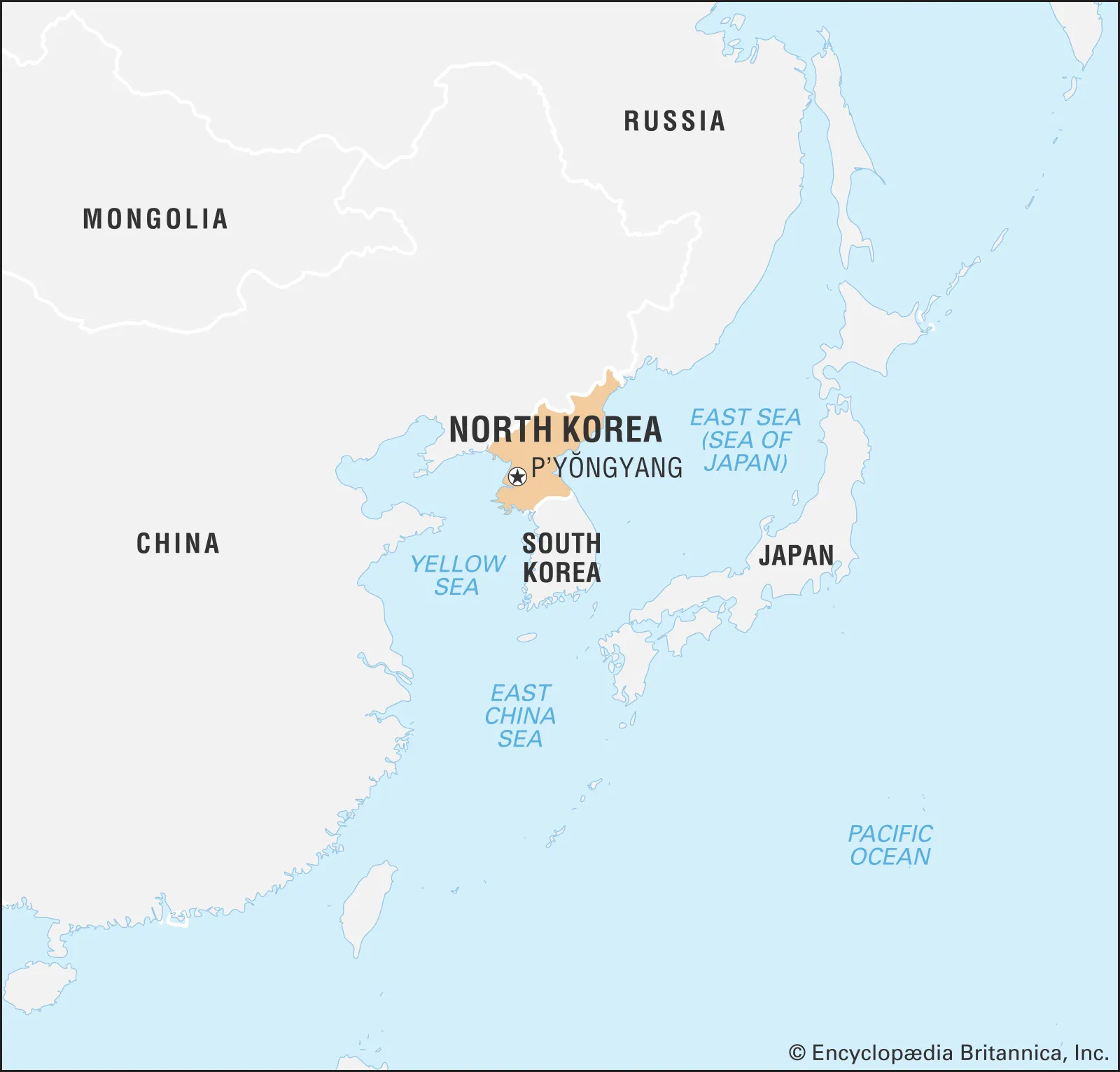
Even within a university environment, it’s rare for someone to specialize only in DPRK studies and you generally need to have a wider purview. With me having quit academia, I ran into the same problems I had with trying to find a sustainable occupation related to international relations. Virtually all policy and journalism positions connected to North Korea are in Seoul or to a lesser extent Washington D.C., and that’s not an option for me as someone who has chosen to live in Japan permanently.
The closest I got was a remote job for NK News, an independent organization that’s largely considered the most respected outlet specializing in Korean Peninsula affairs. As both a freelance writer and manager of their social media accounts, I had to closely observe the latest headlines and state media around North Korea. It paid much better than most jobs graduate students typically get and it was something directly related to what I was researching. I wound up frequently visiting Seoul because of the friends and colleagues I made through NK News.
Unfortunately, that eventually came to an end after two-and-a-half years. The direction NK News wanted to take their social media in required working in person at their Seoul office along with additional responsibilities far beyond the scope of a remote role. While they were kind enough to offer relocating me, I was still convinced I wanted to continue with my Ph.D and I had no desire to leave Japan. I thought that academia around Korean Peninsula issues would be the basis of my actual career, not knowing at the time that this too wouldn’t pan out.
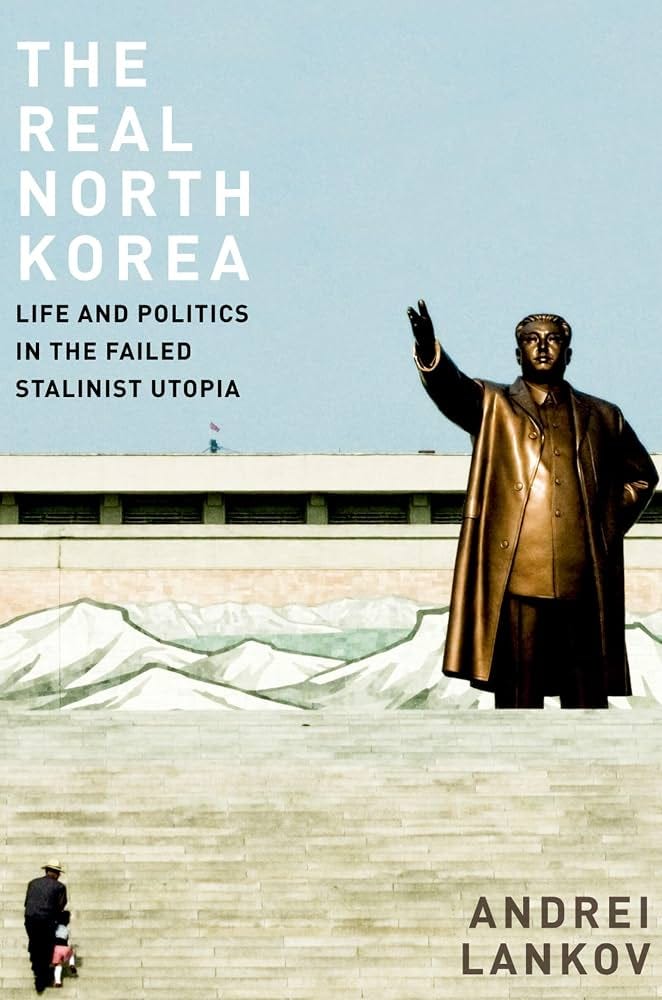
The other issue was that throughout the years I researched North Korean topics, I gradually realized how difficult it is to make an original contribution to the field. I met experts like Andrei Lankov, defectors like Hyun-Seung Lee, and top diplomats like Stephen Biegun. Peter Ward, one of the top specialists on the DPRK’s economy, is a dear friend. Bradley Martin, author of one of the best books ever written about North Korea, is a reader of this Substack. I’m indebted to NK News founder Chad O’Carroll for hiring me and putting me in a position to make all these connections in the first place. What they all have in common is marketable skills or qualifications in other areas while being in the right place to have a career in North Korean studies.
Based on my location and educational background, I tried to position myself as a writer on Japan-DPRK relations. I appeared on podcasts, YouTube videos, and international television while I worked on my Ph.D. In the end, though, it wasn’t enough to land me a full-time job that could provide a livable salary. It’s a bit of an amusing contradiction; there are few real experts on North Korea, but there are also plenty of people who can do what I attempted much better.
I’ll likely never visit North Korea
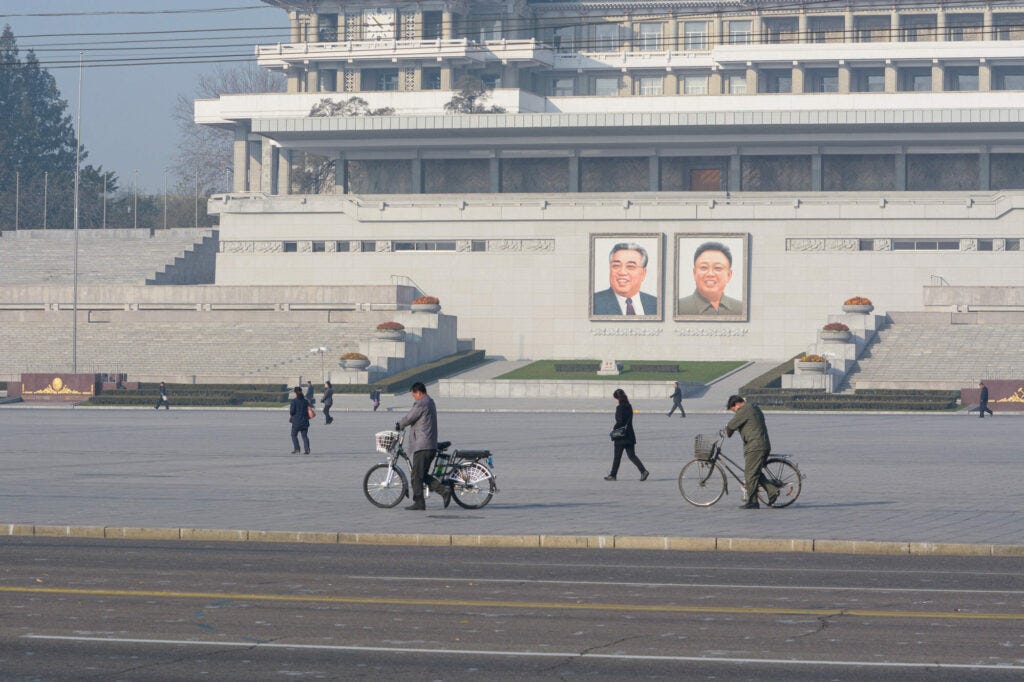
This one specifically affects me as an American citizen. Following the tragic death of student Otto Warmbier in 2017, the U.S. Department of State imposed an official travel ban to North Korea. This rule has been in place for nearly a decade and shows no signs of being repealed. Any U.S. citizen who is found out to have visited the DPRK risks getting their passport revoked and other steep legal penalties.
